



Related: Should My Transportation Company Mandate and Promote Driver Vaccines?
Executive Q&A: Biggest Lesson Learned from the COVID-19 Pandemic
Transit agency executives provide their biggest lesson learned from the COVID-19 pandemic.
by Staff
November 8, 2021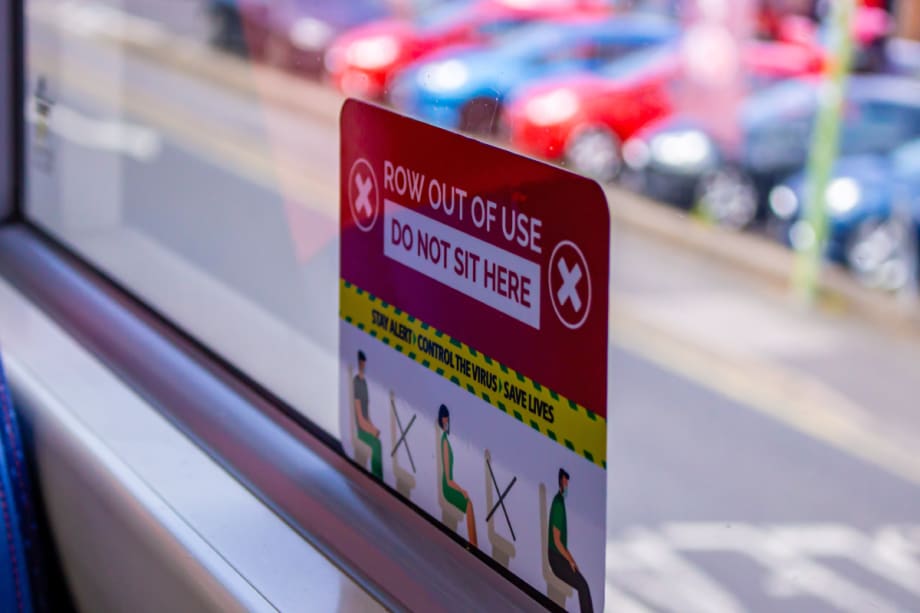
Executives discuss ridership, safety procedures, and more in this Q&A.
Photo: Unsplash
5 min to read
What is your agency’s biggest lesson learned from the pandemic and what are doing to overcome that challenge?
Sharon Cooney, CEO, San Diego Metropolitan Transit System
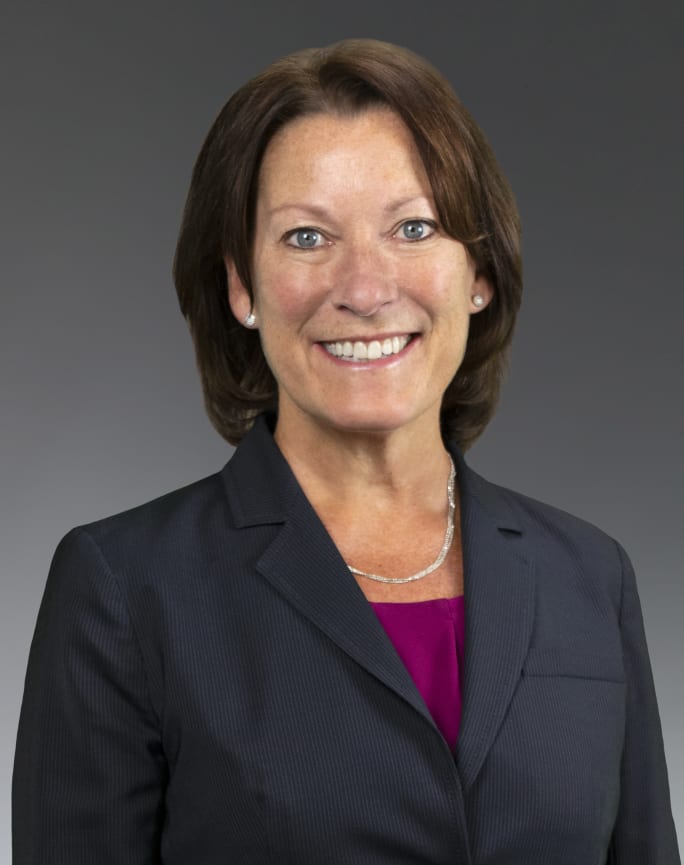
I learned that our employees will do almost anything for our riders and fellow employees. At MTS, we launched so many successful initiatives with a shared understanding: that our community needed us. Everything from advanced cleaning protocols, to leveraging innovative technologies, to securing on-site vaccinations, and testing to keep employees safe. We overcame so many challenges thanks to the power of our employees.
Ryan Daniel, CEO, St. Cloud Metro Bus

One of the biggest lessons we learned over the last 18 months is our need to establish new goals and KPIs for success and to focus our investments on the true value of transit. Historically, for example, we judged success based on the number of riders in our system. Moving forward, our team will work diligently to ensure the service we provide coincides with what transit does for our community, which is to provide access to work, healthcare, family, and so much more.
Scott Smith, CEO, Valley Metro
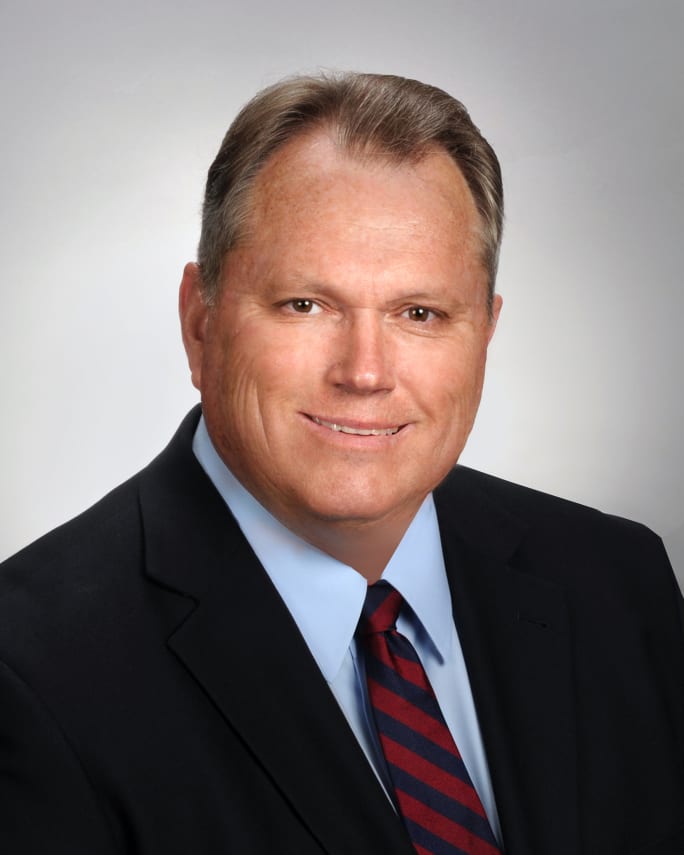
We need to keep our frontline staff safe and maintain an ongoing line of communication with them. They need to know that we appreciate the work they do each day. We understand that they are putting their own health concerns on the line to continue to provide service. To overcome these challenges, we did survey our frontline staff in 2020 to get their opinions on how we can keep them and our riders safe. We need to continue to have this two-way dialogue with them, especially after the pandemic. Their top concerns should always be our top concerns.
Henry Li, GM/CEO, Sacramento Regional Transit District
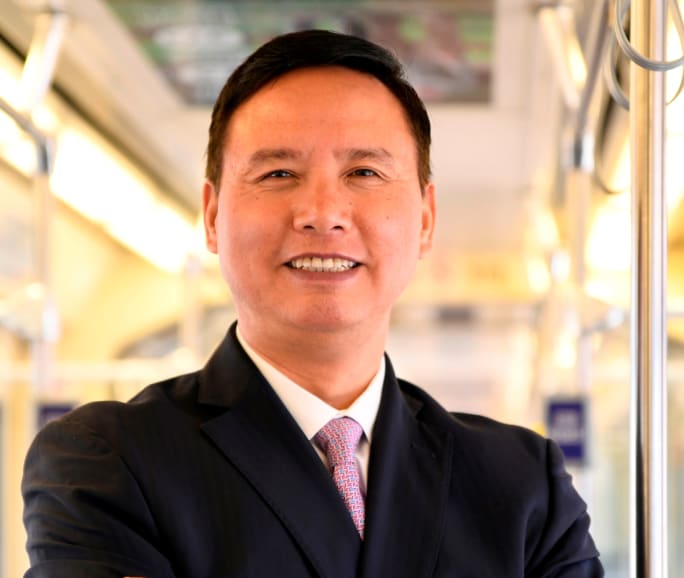
The biggest lesson SacRT learned was to seize the opportunity to innovate and adapt to the changing needs of our communities. SacRT quickly stepped up to implement best safety practices, including plexiglass barriers; extra buses to popular routes; and restoring approximately 100% of service by September 2020, without employee layoffs and furloughs. We also thrived as a social service partner providing free rides to vaccine sites and voting centers, and food delivery in disadvantaged communities.
Joanna M. Pinkerton, President/CEO, Central Ohio Transit Authority

I think the most important lesson that has helped COTA thrive during this pandemic is when you put people first, your organization will succeed. That means investing in your team, especially your frontline workers who are on the job every day delivering essential service to the community. It has been crucial to give employees the resources to stay safe but also the time to focus on their families. It is one of the reasons COTA has never missed a day of service during this unprecedented time.
Michael Hursh, GM, AC Transit
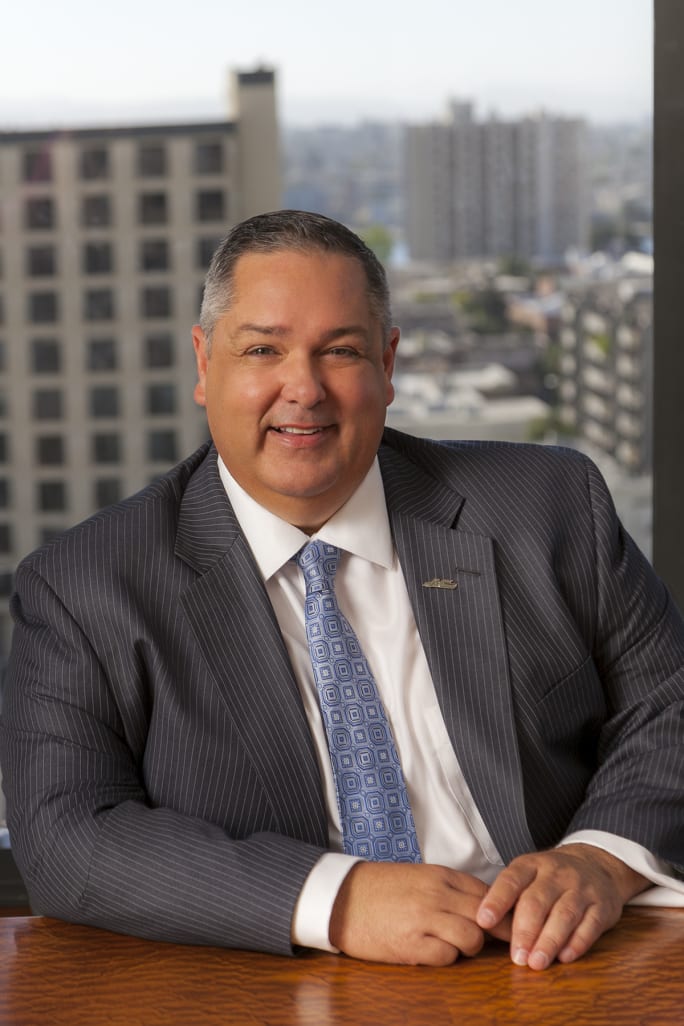
We pulled out all the stops in this pandemic: implementing scores of employee and rider safeguards. So, when word that three vaccines received emergency use authorization, AC Transit collectively exhaled, thinking we'd be back to ‘normal’ within months. Yet, when the vaccine hit the market, we faced an all-new challenge: vaccine hesitancy. We battled back with several vaccine clinics, monetary incentives, and physician-driven myth-busting campaigns. Ultimately, some got the shot, but inoculations here remain low. Our biggest lesson? Advances in science do not translate into widespread acceptance.
Jason Ferbrache, Administrator, EMBARK, Oklahoma City and Norman
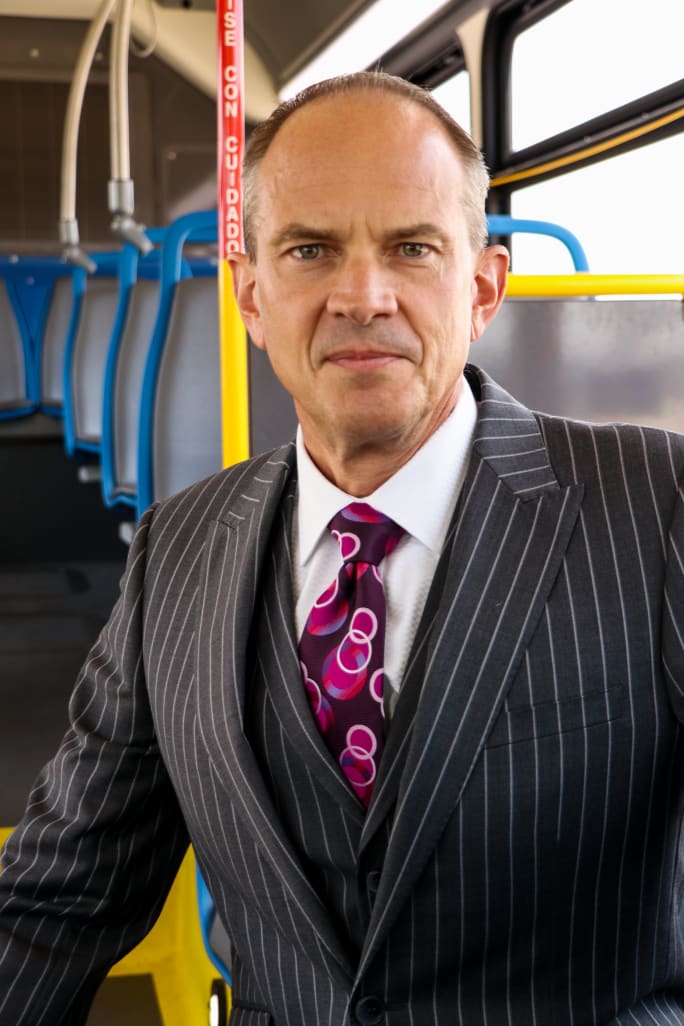
We are stronger and more resilient than we imagined. We learned that although we are an organization of systems and rules designed to deliver consistent service in essentially the same way every day when we come together and communicate openly and often, we are nimble and can make changes daily to preserve the continuity of service while prioritizing the safety of our employees and customers. Acting with determination and making timely decisions allowed EMBARK to provide essential transit trips without any service suspension during the paralyzing grip of pandemic lockdowns.
Doran Barnes, CEO, Foothill Transit
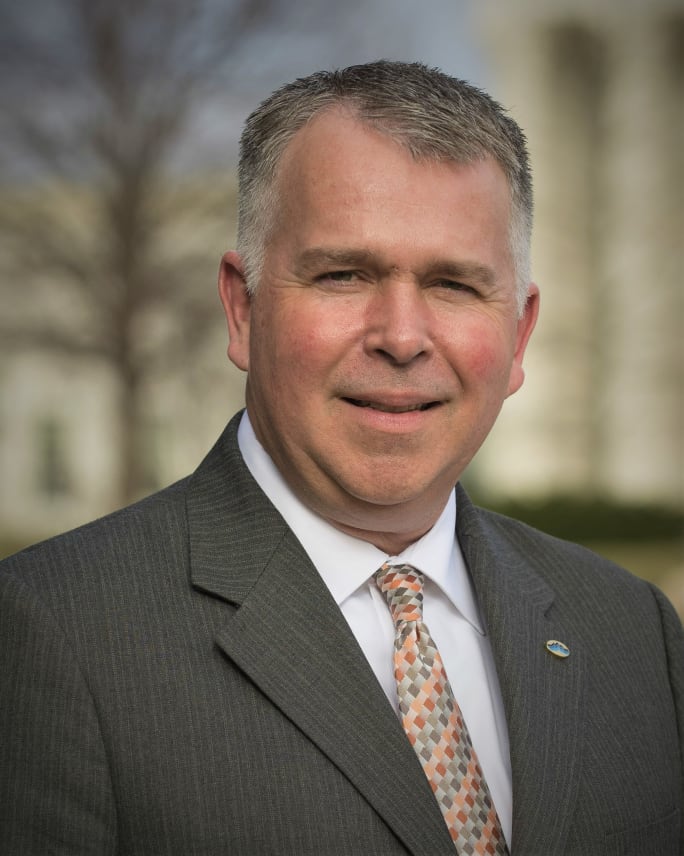
The pandemic forced a perspective shift and changed long held assumptions about our core ridership and mobility needs in Los Angeles County. Local customers providing vital community services kept our region going, so we kept them going. It made us rethink how we measure our success, using a wider lens on regional economic sustainability. The new work-from-home world of our former long-haul commuters is part of that shift. Staying hyper-flexible has been key and is something we hope to carry into our post-pandemic future.
Mike Griffus, CEO, Pierce Transit
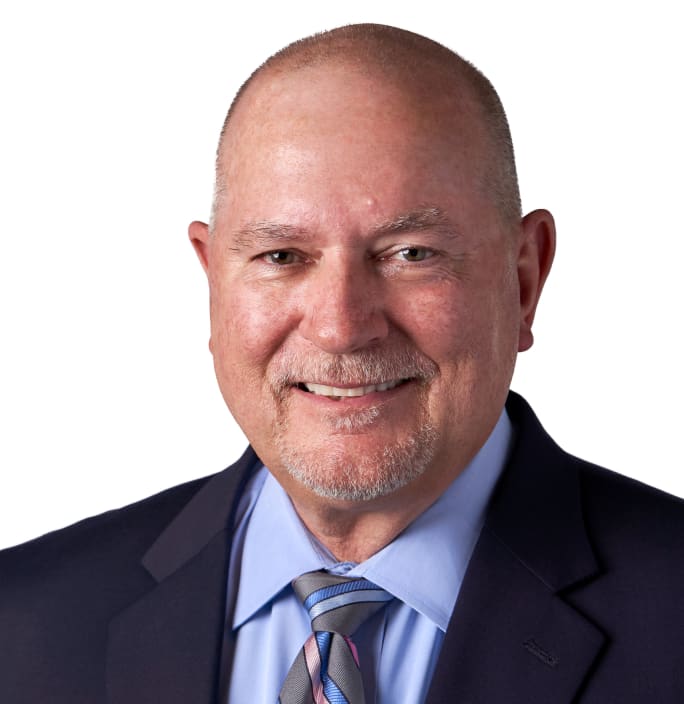
It’s hard to choose just one. Improvising early on is critical when items are needed but scarce — we created in‐house operator barriers and tapped volunteers to create cloth employee masks. Holding a private medication clinic in cooperation with health officials is a great way to vaccinate employees. Virtual collaboration works well and is more efficient than traveling to meetings. Assigning one person to lead our COVID response was critical, and finally, communicate, communicate, communicate.
James E. Harrison, PE, CEO, LYNX

It is all about people, whether it’s a customer or employee. Our customers deserved to know we would safely take them to their destination. Our employees needed to know we have their back. Our employees were truly amazing, stepping up to the daily challenges we were forced to meet on the fly. It was also a relief to our agency that while ridership was down that we did not have to layoff or furlough any employees.
Jeffrey A. Parker, CEO Metropolitan Atlanta Rapid Transit Authority
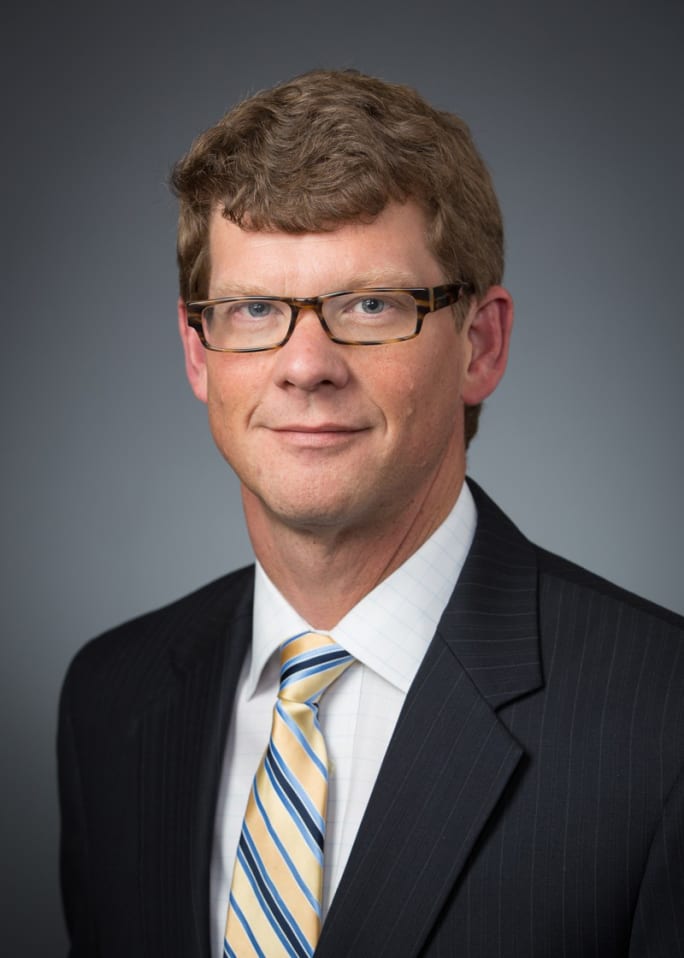
Homelessness grew increasingly acute during the pandemic, with many people seeking shelter on the MARTA system. The MARTA HOPE Program was adopted as a humane, service-centered approach to address the issue. Teams consisting of HOPE Atlanta case managers and MARTA field protective specialists engage homeless individuals, connecting them to services based on their respective needs including shelter, clothing, drug and alcohol counseling, mental health treatment, supplemental benefit programs, job opportunities, and family reunification.
Subscribe to Our Newsletter
More Management

LIT Marks 10-Year Milestone at Annual Summit
Hosted by the COTA from September 10 to 13, the Summit carried the theme “Celebrating 10 Years of Excellence, Leadership, and Impact,” with every part of the program honoring the people, agencies, and partners who built LIT over its first decade.
Read More →
People Movement: Dan Dipert Coaches Adds Third-Generation Leader, Keolis Names New Valley Metro VP/GM, and More
In this edition, we also cover recent appointments and announcements at the Wabtec, SilverRide, HNTB, and more, showcasing the individuals helping to shape the future of transportation.
Read More →
METRO Opens Submissions for 2026 Motorcoach Awards
Nominations are now being accepted for METRO Magazine’s Operator of the Year and Innovative Operator of the Year awards.
Read More →

New York MTA Advances Final Contract for Second Avenue Subway Expansion
Contract Four is the largest in the Second Avenue Subway Phase 2 project and includes construction of station infrastructure, tracks, and signals for the subway expansion, MTA officials said. Work on Contract Four will begin in 2027.
Read More →
Transit Agencies Highlight Safety Gains at National Summit
Leaders from 15 major transit systems shared crime-reduction results and safety initiatives while discussing the role of continued federal support.
Read More →
NITA Names New Leadership, Expands Reduced-Fare Program at First Board Meeting
The new regional transit authority appointed its first board chair and interim executive director while extending reduced fares across CTA, Metra, and Pace for eligible riders.
Read More →
Beyond the Checklist: A Structured Approach to Transit Maintenance
Reliability-Centered Maintenance helps transit agencies move beyond routine checklists to focus limited resources on the assets and failures that have the greatest impact on safety, reliability, and service.
Read More →
APTA 2026 Nominating Committee Selects Leadership Slate, Names Chair and Vice Chair Nominees
Leadership changes will help shape the association’s priorities and its representation of the transportation industry during the 2026–2027 term.
Read More →
DART Launches Major Security, Fare Enforcement Initiative
The 90-day demonstration will deploy coordinated security teams at five light rail stations while testing controlled access and gathering data to guide future investments.
Read More →
Sponsored•September 9, 2026
Advancing Fare Collection Through Technology and Innovation
Learn about delivering 1300 gates at 91 stations while managing fare evasion. Explore the large scale deployment, solution customization and real-world results that affect the region. Prepare for deployment in your region now.
Read More →