



Handling New Hires with Prior Driving Experience
One topic I have heard discussed in some circles is regarding the amount of training to administer to new-hire candidates that bring some past driving experience with transport vehicles (paratransit, shuttle, etc.).
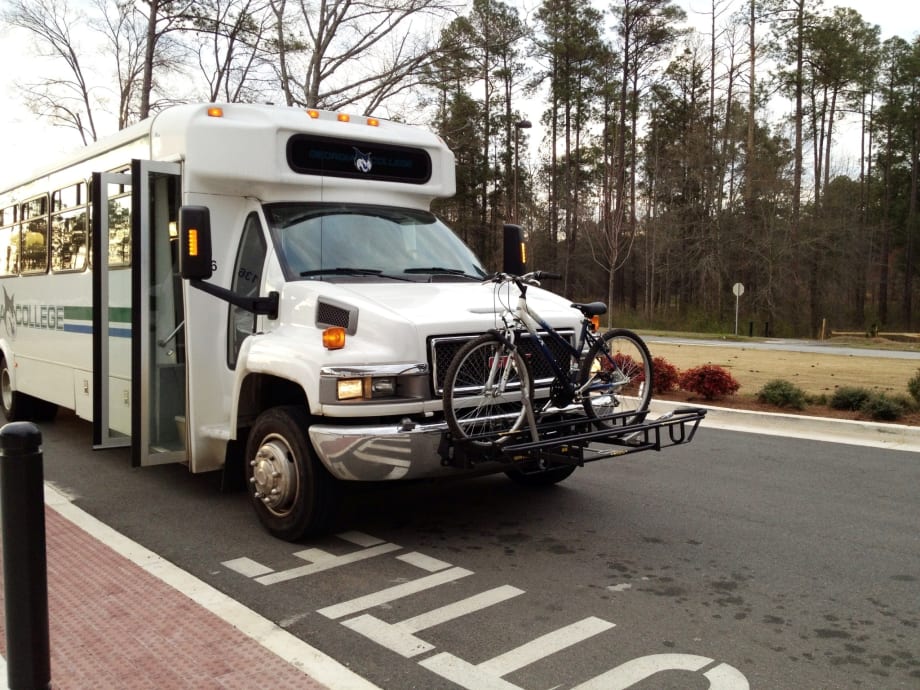
Georgia College
Georgia College
One topic I have heard discussed in some circles is regarding the amount of training to administer to new-hire candidates that bring some past driving experience with transport vehicles (paratransit, shuttle, etc.). In public transit, rural and small urban areas, those groups who are dependent on this form of transportation, such as the elderly and disabled, require special services to accommodate their special needs.
Proper placement of a new-hire candidate with prior shuttle/paratransit driving experience is critical. Should they complete the entire training program? Should they automatically be considered “qualified” to immediately be placed in a transporting role? When preparing to hire, keep in mind that candidates who score well when pre-screened by means of a written assessment and structured interview designed to predict their safety, attendance and customer service abilities, should usually result in trainees that will align with the three distinct responsibilities of the operator being: “be there, be safe, be courteous.”
–––––––––––––––––––––––––––––––––––
Pre-screened candidates viewed as potential poor performers can be described as:
• In a hurry
• Impatient
• Disliking of authority
• Externally controlled
–––––––––––––––––––––––––––––––––––
Pre-screened candidates viewed as potential good performers can be described as:
• Reliable
• Attendance-oriented
• Even-tempered
• Socially-involved
–––––––––––––––––––––––––––––––––––
First day arrivals can consist of candidates that:
• Already possess the proper required licensing with actual driving experience in that class.
• Possess the proper licensing class, but have not driven that type of vehicle.
• Those that rarely ever drive a motor vehicle and basically used their license as a form of identification (this group is usually the toughest to train as they are basically learning to drive again).
Some, but not all, who already possess the required licensing can find themselves behind the eight ball during training because of unwanted “baggage.” This baggage would take the form of bad driving habits and overconfidence, which leads to a deprogramming progress of having to lose bad habits and having to adjust to the standards of the new agency’s training department.
With the clock ticking and having a limited amount of training days to qualify, many candidates lose precious time in the deprogramming process and can find themselves lagging behind most of the other candidates. Do not make the mistake of believing that you don’t have to be as critical with “already-licensed” CDL drivers that enter your training program simply because they arrive with such credentials. Retraining might be needed.
Some negative habits not acceptable to the training agency can be in the form of:
• Lacking the people skills required for the increased personal interaction.
• Unable to set up and utilize mirrors according to the agencies standards.
• Inability to abide by the safety pyramid of Safety, Service, Schedule.
One side note, when accumulating data on rural transit incidents versus urban transit incidents, backing collisions were virtually non-existent with the urban properties. Rural and small urban operations are faced with unique issues where backing is much more utilized in servicing their customers. This resulted in backing collisions with fixed objects being right at the top of the list for one regional rural property.
In closing, paratransit and shuttle operators can benefit from low-risk simulator supplemental training to raise awareness in determining corrective action solutions to some of the most frequently high-risk occurring collisions facing operators of these vehicles. This technology can ensure that a leading collision for one year does not repeat itself the following year.
Standardized training for new hires, annual refresher training for all operators, and being proactive with regard to reducing high-profile, frequently occurring incidents, are all key elements of a complete training solution package. With people skills at a premium due to the greater personalized interaction required in paratransit and shuttle operations, customized training in specific incident/collision issues is a highly recommended ingredient.
More Management

LIT Marks 10-Year Milestone at Annual Summit
Hosted by the COTA from September 10 to 13, the Summit carried the theme “Celebrating 10 Years of Excellence, Leadership, and Impact,” with every part of the program honoring the people, agencies, and partners who built LIT over its first decade.
Read More →
People Movement: Dan Dipert Coaches Adds Third-Generation Leader, Keolis Names New Valley Metro VP/GM, and More
In this edition, we also cover recent appointments and announcements at the Wabtec, SilverRide, HNTB, and more, showcasing the individuals helping to shape the future of transportation.
Read More →
METRO Opens Submissions for 2026 Motorcoach Awards
Nominations are now being accepted for METRO Magazine’s Operator of the Year and Innovative Operator of the Year awards.
Read More →

New York MTA Advances Final Contract for Second Avenue Subway Expansion
Contract Four is the largest in the Second Avenue Subway Phase 2 project and includes construction of station infrastructure, tracks, and signals for the subway expansion, MTA officials said. Work on Contract Four will begin in 2027.
Read More →
Transit Agencies Highlight Safety Gains at National Summit
Leaders from 15 major transit systems shared crime-reduction results and safety initiatives while discussing the role of continued federal support.
Read More →
NITA Names New Leadership, Expands Reduced-Fare Program at First Board Meeting
The new regional transit authority appointed its first board chair and interim executive director while extending reduced fares across CTA, Metra, and Pace for eligible riders.
Read More →
Beyond the Checklist: A Structured Approach to Transit Maintenance
Reliability-Centered Maintenance helps transit agencies move beyond routine checklists to focus limited resources on the assets and failures that have the greatest impact on safety, reliability, and service.
Read More →
APTA 2026 Nominating Committee Selects Leadership Slate, Names Chair and Vice Chair Nominees
Leadership changes will help shape the association’s priorities and its representation of the transportation industry during the 2026–2027 term.
Read More →
DART Launches Major Security, Fare Enforcement Initiative
The 90-day demonstration will deploy coordinated security teams at five light rail stations while testing controlled access and gathering data to guide future investments.
Read More →
Advancing Fare Collection Through Technology and Innovation
Learn about delivering 1300 gates at 91 stations while managing fare evasion. Explore the large scale deployment, solution customization and real-world results that affect the region. Prepare for deployment in your region now.
Read More →