



How to Prevent Driver Assaults
Vehicle operators must be given all of the tools necessary to both understand customers and de-escalate intense situations.
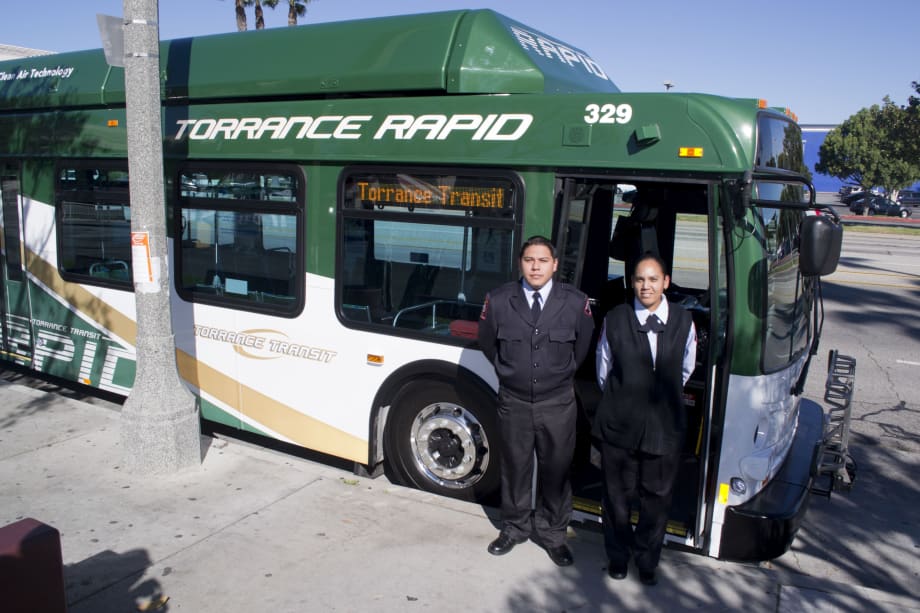
Preparing drivers for what they may experience day-to-day is vital.
Alex Roman
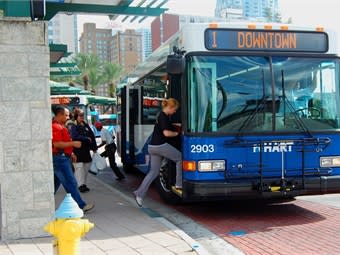
There is no one, magical response to de-escalate a potentially violent passenger. Every situation is unique.
HART
It’s 3:37 p.m. when Control Center gets the priority call. An anxious bus driver is requesting police assistance. “Two passengers are refusing to leave the bus and are threatening to assault me.” The driver leaves the radio open for Control to hear the escalating exchange of comments and subsequent violence. The police are called, and by the time they arrive, the perpetrators have left the bus on foot. Some passengers remain on the scene of what was initially a full vehicle. They mill about on the sidewalk while one passenger sits next to the stunned bus driver administering comfort. A bloody nose, a split lip, perhaps a fractured jaw, and a bus driver rocked to his core. Within hours of the assault, the news spreads across the authority. The local media is alerted. The frontline is fevered with fear of a lawless customer population and recriminations against what they perceive is a dismissive Control Center and an apathetic executive leadership.
Now, the Monday Morning Quarterbacking begins. The digital tape is pulled. Management and union representatives review and come to different conclusions. “The driver got out of his seat. He was looking for a fight.” “No, he was just doing his job. The other riders expected him to shut the perpetrators down.”
While this is a snapshot of one critical incident, it could be anywhere in North America’s public transit system with the same toxic results of eroding a positive work culture and burning out the entire organization. The transit industry is understandably impatient for an immediate solution. But, transit worker assaults are a complex issue requiring a multi-layered analysis and a multi-tiered response.
Roots of Violence
■ According to the 2015 TRACS Report on Preventing and Mitigating Transit Worker Assaults, fare enforcement is a major risk factor for assaults and threats. Working alone in isolated high-crime areas and having inadequate escape routes further raise the risk of verbal threats and attacks. Finally, direct interaction with intoxicated and/or mentally ill passengers is a salient factor. This is not a surprise considering the 2017 Bureau of Labor Statistics reports the most at-risk-for-injury occupations in the U.S. include hospital workers and residential facilities workers caring for the elderly, the mentally ill, and persons with substance abuse disorders.
Last year, the CDC released a report on the dramatic increase of opiate addictions, stating that an estimated 47,600 people died of opiate overdoses in the U.S. in 2017. Sadly, some of them occurred on public transit. According to HUD’s Annual Homeless Assessment Report, as of 2017, there were around 554,000 homeless people in the U.S. on a given night. For many homeless persons, their local public transit system provides temporary shelter from harsh weather. Just as in any other social service field, the threat of assault is possible in transit when drivers pick up vulnerable persons with untreated mental health issues, substance abuse disorders, and no place to live.
Bus Driver’s Perspective
■ However, the frontline is at a much higher risk of assault if they aren’t prepared to work with these populations, and don’t have or don’t believe they have sufficient police assistance to protect them. When transit workers feel they’re without backup, they’re more likely to attempt enforcing the rules rather than just stating them. This thinking becomes particularly entrenched when policies are not clearly written, and middle managers and supervisors send mixed messages regarding the rules.
In recent years, recruitment and preparation for the job have been to onboard new hires with customer service experience and train them with traditional customer service skills development. Customers pay, which is what new bus drivers with customer service backgrounds expect. Imagine the new hire’s frustration and disillusionment when dealing with fare evaders with substance abuse disorders. While most of the riding public does pay its fare, a bus drivers’ frustration for those who don’t, sometimes leads to contempt for passengers. Contempt shows up in microexpressions and body language. Passengers with traumatic histories who already feel disempowered may read a bus driver’s microexpression as an invitation for a fight and an opportunity to get their power back.

Preparing drivers for what they may experience day-to-day is vital.
Alex Roman
Preparing Drivers
■ Traditional customer service training relies on pre-written scripts to develop skills. But human beings, particularly those who are agitated, respond poorly to a canned response. Teaching bus drivers to build community with their ridership through empathy and authentic concern will add a layer of protection to the bus driver. However, it’s unreasonable to expect drivers to show empathy for their ridership, if they aren’t receiving empathy from their middle management. For the work culture to shift, supervisors and managers need parallel training to teach them how to build community with their internal customer — the bus driver.
Escalators vs. De-escalators
■ There is no one, magical response to de-escalate a potentially violent passenger. Every situation is unique. It’s important to note that driver assaults occasionally occur because the driver happened to be in the wrong place at the wrong time. However, there are behaviors that are high-percentage escalators of violent conflict and high-percentage de-escalators of violent conflict.
High-Percentage Escalators
◗ Cornering
◗ Humiliating
◗ Ignoring
Cornering, humiliating, and ignoring are high-percentage escalators. This is true for the riding public and the bus driver. Cornering signals to the brain that there is no escape from a potentially dangerous situation and the best alternative for survival is to fight. Humiliation is an assault to one’s identity. It signals that a physical attack may follow. Ignoring someone signals to them that they’re invisible and without power. Each of these escalators may spark a conflict. String them together, and it’s explosive.
High-Percentage De-escalators
◗ Calm/Assertive
◗ Informing
◗ Reflective listening
◗ Opening Questions
◗ Uniting
Humans have mirror neurons, which drive us to mimic each other’s behaviors. When one person gets hyped, if the other person isn’t intentional about their own actions, they will imitate what they see. Using a calm and assertive voice tone and body language signal non-threatening intent and self-control. Modeling calm/assertive is the first step to de-escalate.
Informing statements such as, “It’s my job to request the fare,” and “I’m unable to safely drive when you’re standing this close to me,” are informing statements that give rationale to directions and requests.
Coupling informing statements with reflective statements help the passenger know they’re heard and not ignored. “I hear your frustration about having to fold up the stroller. I still have to keep an open aisle for passengers to get through.”
Opening questions that require more than a “yes” or “no” answer interrupt escalating behavior by re-engaging the passenger’s cognitive processes and send the message the driver is concerned about them. “How can I help you?” “Where do you need to go?”
Uniting statements that begin with “we” and “us,” such as “We all want to get there safely,” send the message that both parties are on the same team and share a common problem. It is much more difficult for the potential offender to inflict violence on someone they identify with.

Create signage across the transit system stating that “Assaulting Bus Drivers is a serious crime, which will not be tolerated.”
Metro Transit
A Multi-Tiered Process
■ Routinely practicing these skills through improvisational role play is most effective in preparing drivers. But, repairing organizational culture after a violent assault requires a multi-tiered process. Management is perplexed and frustrated by their bus drivers’ laser focus on the negative job experiences, even if they occurred years ago. But our brain’s survival coding forces us to remember dangerous interactions before pleasant ones, because it wants us to avoid a threat. Repairing trust between the frontline and management requires a Herculean effort to change the driver’s view that they have no backup and must act alone. But the payoff is worth it. Use clear and consistent messaging to both the employees and the ridership. Then follow up with actions that match the message.
Try implementing these actions:
◗ Create a heat map for most violent routes at the most violent hour of the day/night; station transit police on those routes rather than stationing them on less distressed routes.
◗ Teach managers, supervisors, control center, and transit police to respond with empathy when an assault or threat has occurred.
◗ Keep the assaulted bus driver informed of the legal process against the perpetrator and what the outcome was.
◗ Work with the union to develop sensible and clearly written policies on what constitutes self-defense and what constitutes aggression.
◗ Advocate publicly for the safety of the driver by taking shared concerns to local and state government to push for more comprehensive laws on driver assaults.
◗ Create signage across the transit system stating that “Assaulting Bus Drivers is a serious crime, which will not be tolerated.”
◗ Don’t hesitate to ban violent offenders from the system. You will be creating a safer system for both the driver and the riding public.
◗ Survey your frontline for their safety priorities. Publicize the survey results widely within the organization to maintain engagement and encourage accountability and empowerment. For instance, if only 50% of the driver population strongly commits to shields while the other 50% are against them, publicize the response and follow up with working committees for alternative solutions.
Charlotte DiBartolomeo, M.A.C.T. is CEO and founder of Red Kite Project, a resiliency building firm working with the transit industry for the past nine years to mitigate the impact of burnout, which causes absenteeism, high turnover rates, accidents, rule violations, and assaults.
More Security and Safety

DART Launches Major Security, Fare Enforcement Initiative
The 90-day demonstration will deploy coordinated security teams at five light rail stations while testing controlled access and gathering data to guide future investments.
Read More →
RTD Launches NextRide App to Consolidate Trip Planning, Fares, Security Reporting
The app expands on RTD’s existing NextRide web application and allows customers to view real-time vehicle locations and service alerts, purchase and store digital fares, and access customer support.
Read More →
TAPTCO Updates OSHA Compliance Training for Transit Maintenance Operations
The revamped program addresses 26 OSHA standards for maintenance facilities, with TAPTCO pointing to training, documentation, and everyday shop hazards as continuing challenges for transit operations.
Read More →
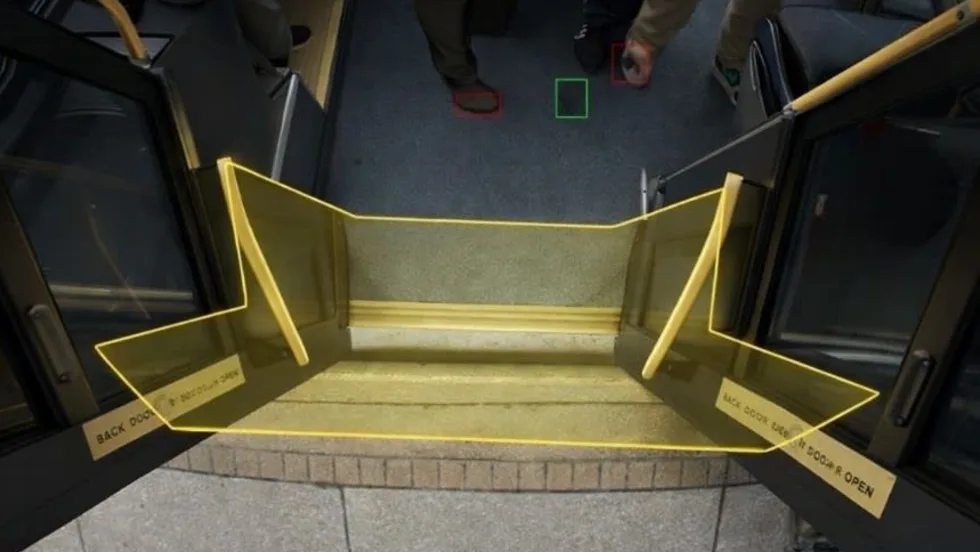
How VaporVision Adds Value to Transit Door Systems
Wabtec engineers explain how the system improves doorway detection, strengthens diagnostics and gives transit agencies and OEMs greater operating flexibility.
Read More →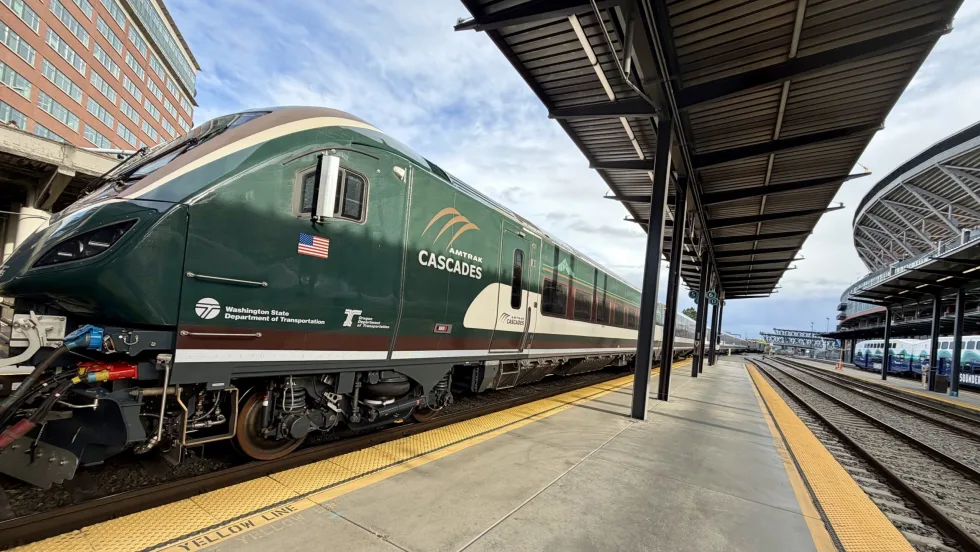
FRA Announces $5.3B in Rail Investments, Including $2B for Amtrak
Funding will support grade-crossing improvements, infrastructure upgrades, and new Amtrak equipment in 23 states.
Read More →
Chicago, Maryland Expand Non-Law-Enforcement Safety, Rider Support
The CTA and MTA are launching new programs aimed at de-escalation, crisis response, rider assistance, and greater transparency.
Read More →
LA Metro, City of West Hollywood, and Partners Advance Smarter Bus Lane Enforcement
The award-winning partnership combines AI-powered detection with human oversight to improve bus reliability, accessibility, and enforcement efficiency.
Read More →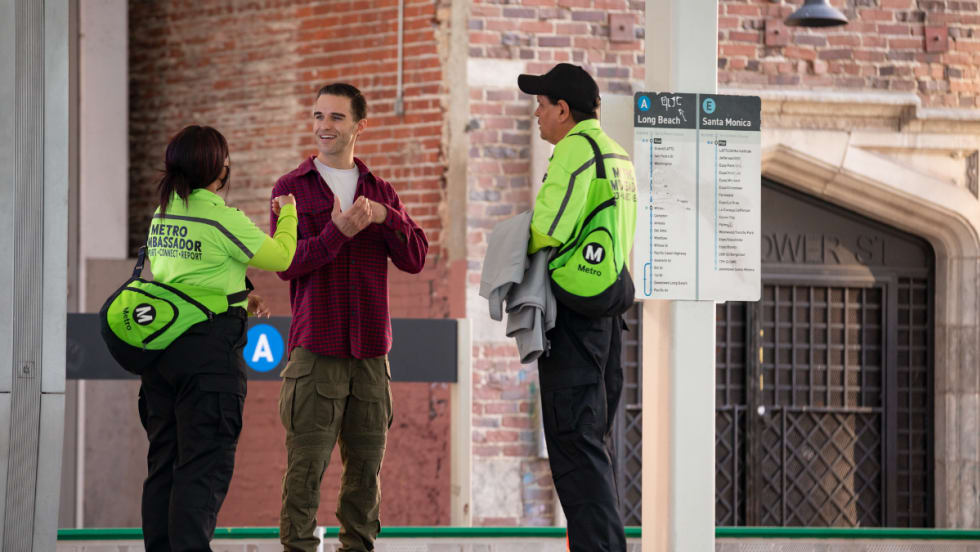
LA Metro Reports 57% Decline in Homelessness on Transit System Since 2024
The agency's latest homelessness count offers new data on how care-based services and cross-sector partnerships can complement traditional transit security strategies.
Read More →
FTA Launches 'Transit Moves America' Dashboard to Highlight Agency Safety and Performance
The online dashboard transforms National Transit Database information into a public-facing resource that allows users to compare transit agencies on key operational and safety metrics.
Read More →
LA Metro Marks Banner Year, Sets Ambitious Goals for New Fiscal Year
Incoming LA Metro Board Chair and Los Angeles Mayor Karen Bass joined outgoing Board Chair Fernando Dutra and LA Metro CEO Stephanie Wiggins to review accomplishments from fiscal year 2026, which included the opening of new rail extensions, advancement of major transit projects, expanded safety programs, and new rider amenities.
Read More →