



LACMTA thrill ride promotes rail safety, community awareness
Dubbed the “Metro Experience,” the ride is a traveling theater, complete with a 16-by-9-foot screen, surround sound and 4D effects by way of vibrating seats and strobe lighting.

The Los Angeles County Metropolitan Transportation Authority (MTA) developed an interactive thrill ride as part of a campaign to stress the importance of rail safety. Dubbed the “Metro Experience,” the ride is a traveling theater, complete with a 16-by-9-foot screen, surround sound and 4D effects by way of vibrating seats and strobe lighting. The use of 3D glasses brings riders even closer to the screen action. The Metro Experience is similar to theme park attractions such as Disneyland’s long-running “Captain Eo” and Universal Studio’s “Terminator 2: 3D.” On the road since early May, the MTA has been sending the mobile theater to communities that the agency’s new Metro Gold Line will travel through. Scheduled to have opened July 26, the new light rail line will shuttle trains between Los Angeles and Pasadena for the first time in more than a generation. Neighborhoods that lie within or near the Metro Gold Line’s 13.7-mile stretch have been the focus of the MTA’s safety awareness campaign. “The rail lines haven’t operated in these communities for years,” said MTA spokesperson Dave Sotero. “There is a new crop of people that live around that area who have no experience with interacting with trains, yet they are going to see these trains pass through their neighborhoods every 10 minutes.” While ideal for exhibition at city festivals and fairs, the Metro Experience is also flexible enough to be taken and displayed at local schools. Educating children is a key facet of the program. Sixty-plus schools are estimated to be situated near the Metro Gold Line route. The five-and-a-half minute presentation portrays real-life examples of dangerous behavior and their consequences around railway tracks and station platforms. These incidents have been observed by the MTA staff on other rail lines, specifically on the Metro Blue Line and the Metro Green Line. The film, however, is not trying to get the safety message out to the public by way of fear or a gross-out factor. “There isn’t any blood or gore,” Sotero said. “What happens is the screen will white out at the point of the collision, at the point where something unfortunate will happen. “But it really is meant to be a fun thing as well,” added Sotero. “While the students come away with the distinct impression that it is very uncool to get in the way of trains, at the same time, they’re still excited to experience the ride again.” For the MTA, the Metro Experience is merely the latest tool in its rail safety education efforts. The MTA Rail Operations Safety and Community Relations groups have worked together to not only promote the theater-on-wheels by visiting area schools and community events, but through other proactive educational presentations that emphasize additional safety measures the Rail Operations Safety department has built into the Gold Line system. For more information on the Metro Experience, visit www.mta.net.
More Rail
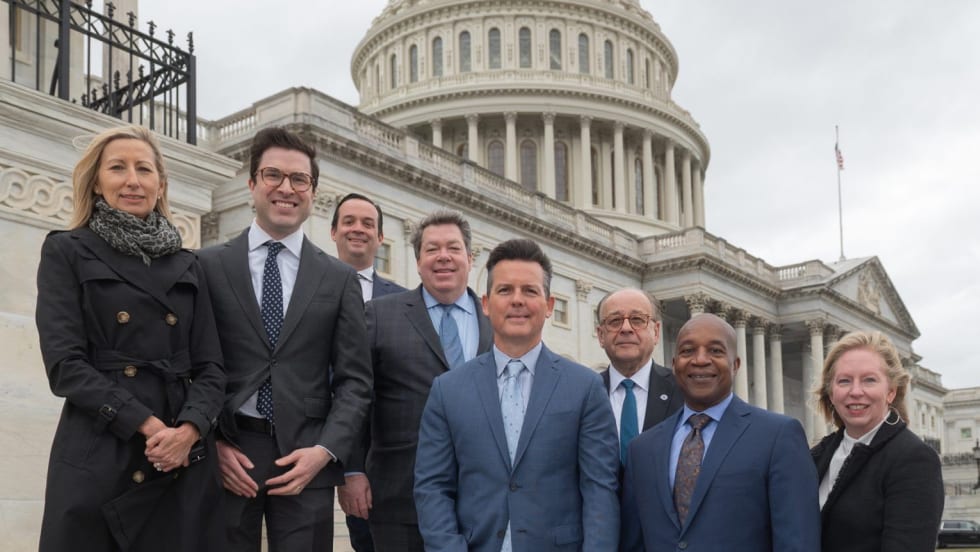
The Business Voice Behind Public Transportation
As chair of APTA’s Business Members Board of Governors, Ray Melleady explains how more than 850 business members are partnering with transit agencies to advance funding, innovation, and industry-wide collaboration.
Read More →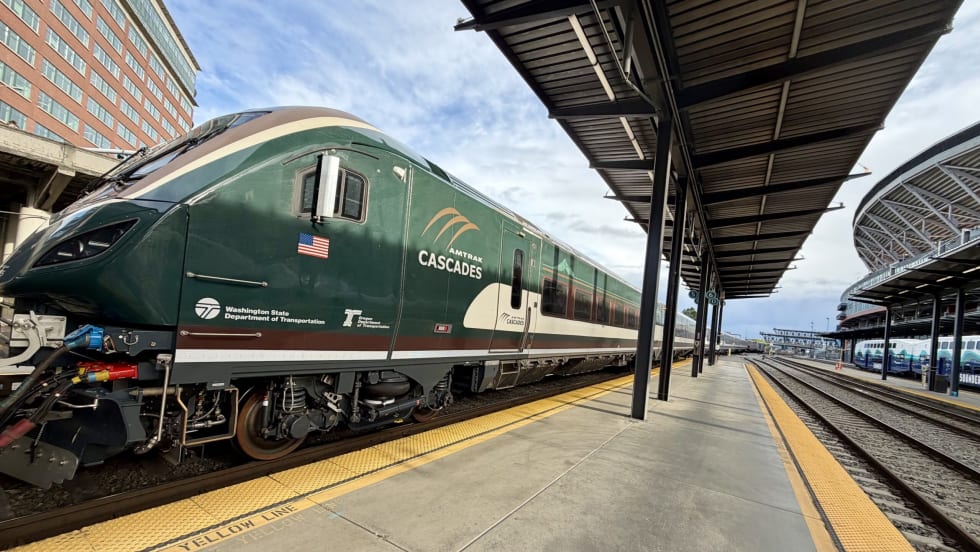
FRA Announces $5.3B in Rail Investments, Including $2B for Amtrak
Funding will support grade-crossing improvements, infrastructure upgrades, and new Amtrak equipment in 23 states.
Read More →
Finding the ‘Happy Medium’: Optimizing Maintenance Without Sacrificing Reliability
The key to maintenance optimization isn’t doing less work—it’s doing the right work at the right time on the right assets.
Read More →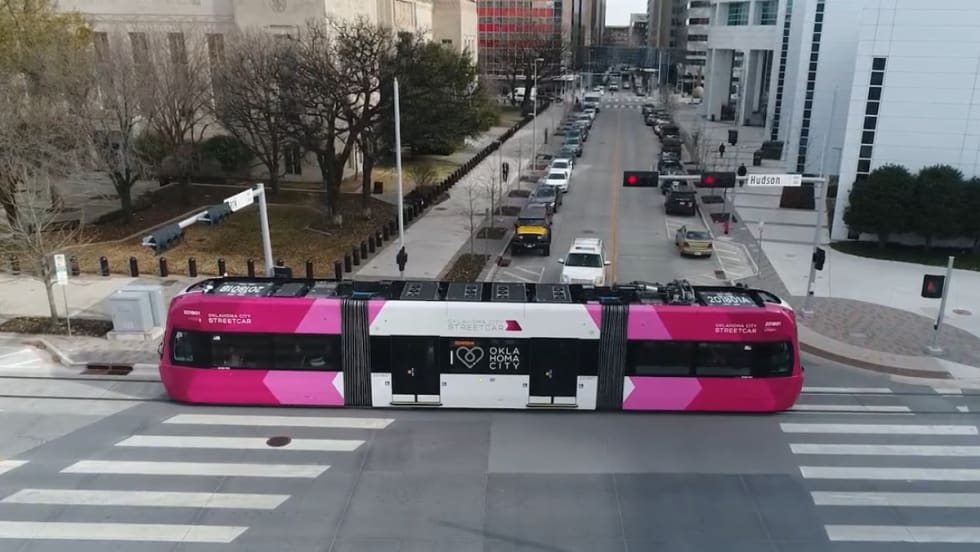
OKC Streetcar Makes Zero-Fare Service Permanent
Ridership increased an average of 71% compared with the same period a year earlier during the fare-free pilot.
Read More →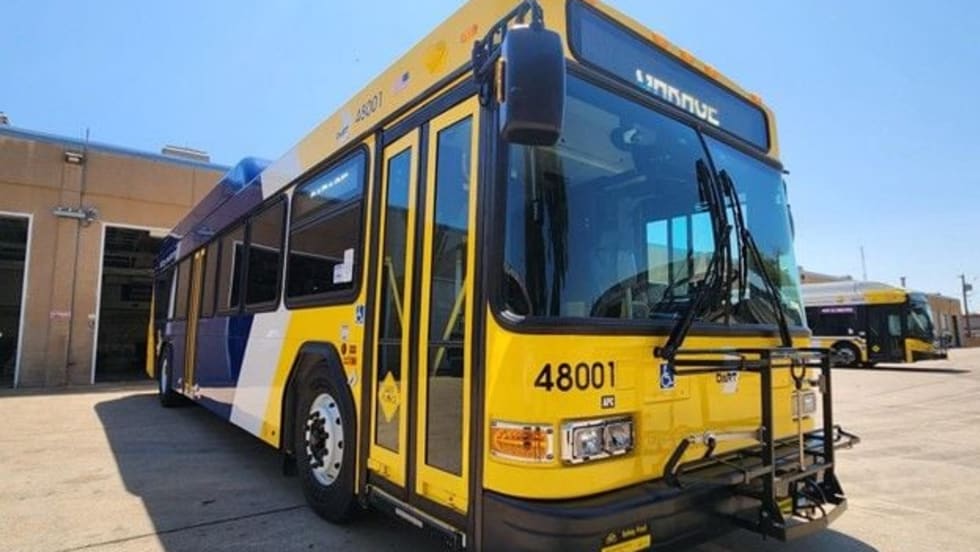
DART Customer Satisfaction Reaches Six-Year High
Overall satisfaction rose to 74.9%, while the agency’s Net Promoter Score reached a record 33.7.
Read More →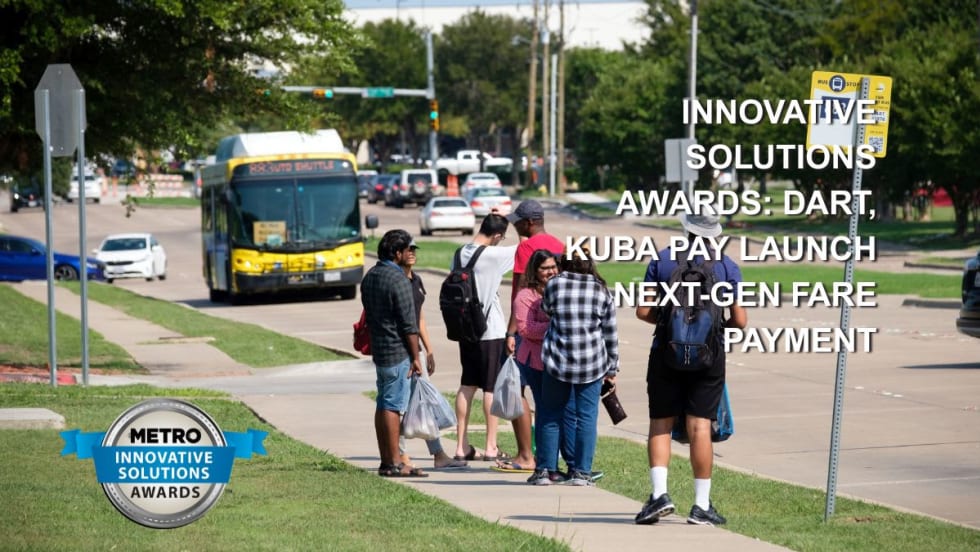
How DART's GoPass Is Redefining Regional Mobility
Serving 14 transit agencies, GoPass simplifies multimodal travel by allowing riders to plan, pay for, and manage an entire trip through one app.
Read More →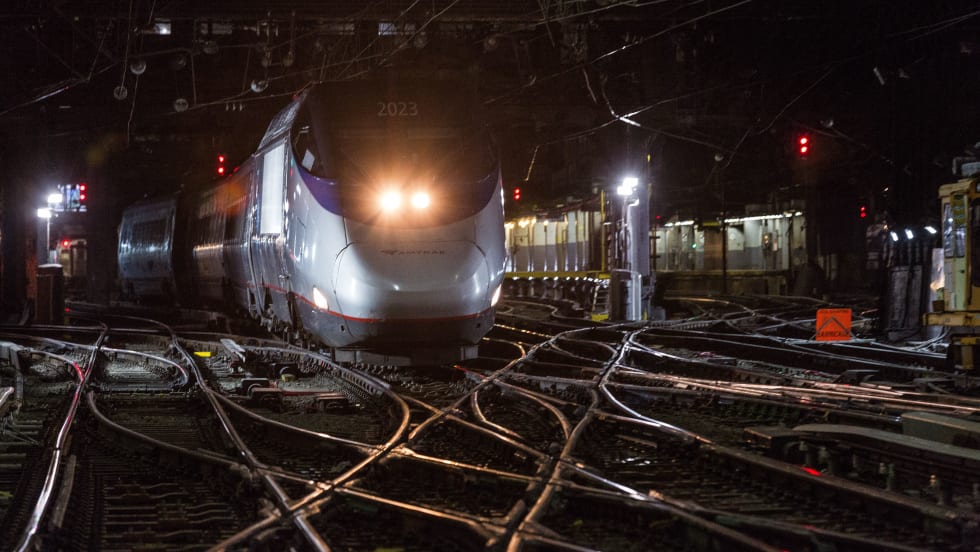
Amtrak Board Advances Plan to Restructure Organization, Seeks Public Input
The proposal, developed by Amtrak management and approved by the board for further consideration, is intended to modernize the organization's structure while improving accountability, operational efficiency, and customer service.
Read More →
Biz Briefs: STV teams with Amtrak, Motorcoach Operators Boost Fleet and Land Contracts, and More
From manufacturers and suppliers to transit agencies and motorcoach operators, these updates offer a snapshot of the projects, partnerships and business moves driving the industry forward.
Read More →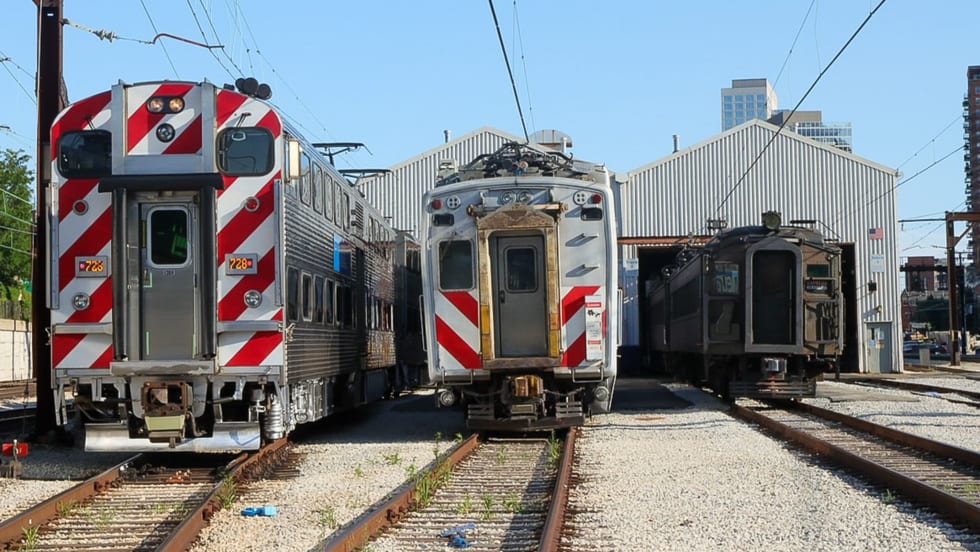
Metra Celebrates 100 Years of Electric Rail, Looks to the Future
The event was also a celebration of recent reforms to public transportation in the Chicago area, changes that could be as transformative in the future as the major civic achievement a century ago, said officials.
Read More →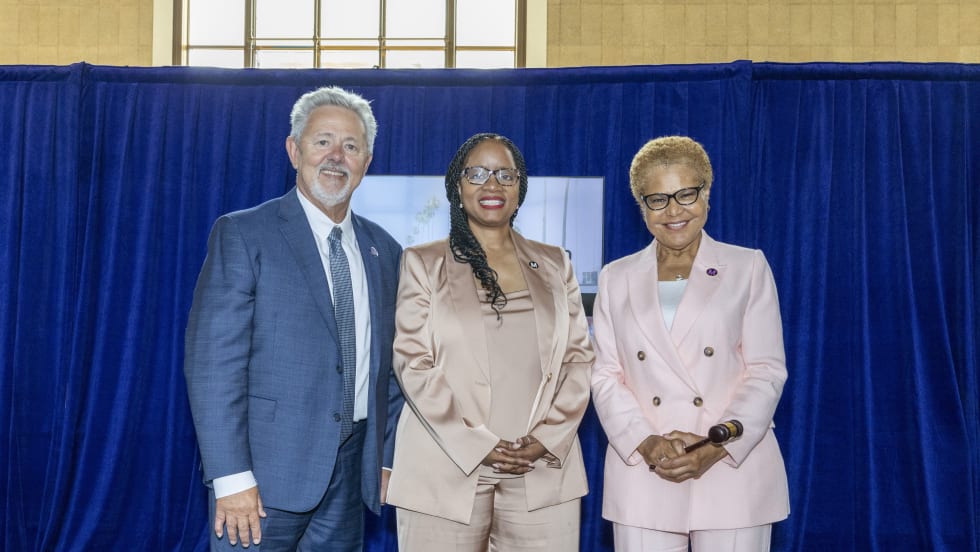
LA Metro Marks Banner Year, Sets Ambitious Goals for New Fiscal Year
Incoming LA Metro Board Chair and Los Angeles Mayor Karen Bass joined outgoing Board Chair Fernando Dutra and LA Metro CEO Stephanie Wiggins to review accomplishments from fiscal year 2026, which included the opening of new rail extensions, advancement of major transit projects, expanded safety programs, and new rider amenities.
Read More →