



Massachusetts mandates emissions testing
In an effort to enhance its clean air campaign, Massachusetts began a new program which will require diesel vehicles, specifically heavy-duty vehicles over 10,000 pounds, to undergo emissions testing.

In an effort to enhance its clean air campaign, Massachusetts began a new program which will require diesel vehicles, specifically heavy-duty vehicles over 10,000 pounds, to undergo emissions testing. Implemented on Feb. 1, the program, administered by the Massachusetts Registry of Motor Vehicles (RMV) in conjunction with the Department of Environmental Protection, signifies the first time that diesel vehicles must submit to tests for excessive exhaust smoke. Massachusetts joins 13 other states, including New York and Maryland, that have mandated programs in place. The emissions testing program is being lauded by the Diesel Technology Forum in Washington, D.C., for its efforts to improve air quality in the region and the importance of identifying vehicles in need of maintenance. “It’s a win-win for everybody—the air gets cleaner, the vehicle after making repairs is a more fuel efficient piece of equipment,” said Allen Schaeffer, executive director of the diesel forum. Since 1994, diesel engines have been designed to be smoke free in compliance with EPA standards; however, there are still smoky vehicles on the road. “That’s a reflection of how the technology is maintained, the quality of fuel and other factors,” said Schaeffer. Black smoke is an indicator of unburned fuel, resulting in monetary losses as well as less efficient engines. It is this black smoke that emissions testing programs will identify and take measures to eliminate. The testing method, known as a snap acceleration test, utilizes an opacity meter to measure the amount of particulate matter present in vehicle exhaust. In order to pass, diesel vehicles must measure below the required opacity level applicable to the vehicle year. Vehicles that do not pass will be given 60 days to make necessary repairs and obtain re-inspection. Emissions’ testing is required for diesel vehicles every two years, in addition to a yearly safety inspection. The cost is $29 for the safety inspection and the emissions test, readily accessible at more than 250 inspection sites across the state. Mobile inspection services are also available for diesel operators. Besides the obvious benefits of cleaner air and improved fuel efficiency, the inclusion of diesel vehicles in the emissions program creates a level of equality amongst the driving public. “Now that all vehicles in Massachusetts have to have an emissions test, folks are very positive about the inherent fairness now,” said Steven Sebestyen, director of vehicle services at the RMV.
More Management

Bus Tech Talk: Keeping Transit Technicians Ahead of the Technology Curve
In this episode of Bus Tech Talk, Complete Coach Works’ Business Development Manager Mark Hollenbeck and METRO’s Executive Editor Alex Roman sit down with Obed Mejia, Senior Technical Trainer for Bus Maintenance, at LA Metro to discuss how rapidly evolving bus technology is changing the maintenance shop — and the skills technicians need to keep pace.
Read More →
Michael Schneider Joins Paslay Group to Expand Transportation Practice
The longtime transportation executive will help Paslay Group grow its advisory and program management work across transit, highway, and other infrastructure sectors.
Read More →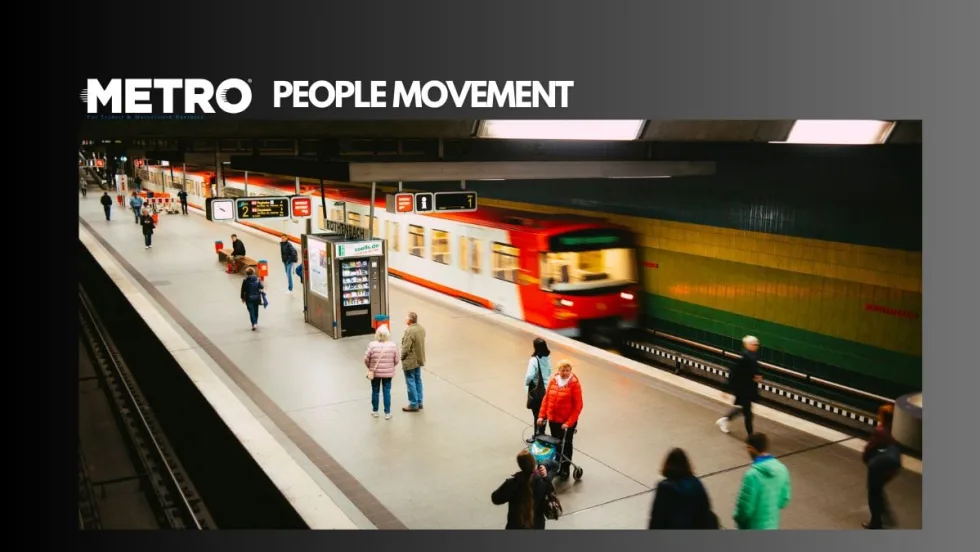
People Movement: Connectpoint Expands Leadership Team, Stadler Names New Group CEO, and More
In this edition, we also spotlight recent personnel moves at Burns, UZURV, and more, highlighting the people taking on new roles across the transportation industry.
Read More →
More Than a Summer Job: Building the Next Generation of Transit Talent
The Delaware River Port Authority and PATCO have transformed their internship program into a hands-on professional development experience that introduces students to the breadth of transportation careers — and creates a pipeline for future employees.
Read More →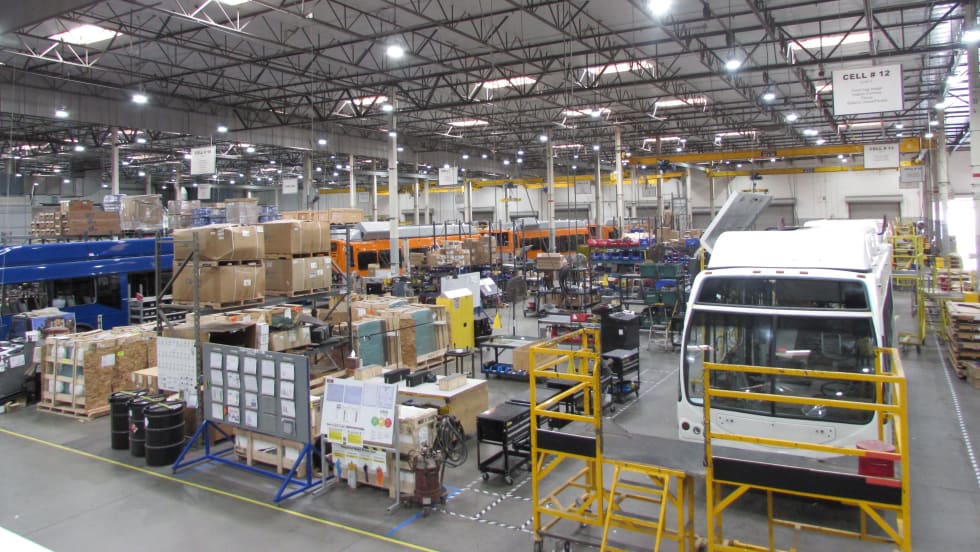
LA Metro Board Awards 220 Battery-Electric Bus Contract to ENC
The contract, which is the largest base award of battery-electric buses by a U.S. transit agency, will be built in Southern California, sustaining good jobs as LA prepares to welcome the world in 2028
Read More →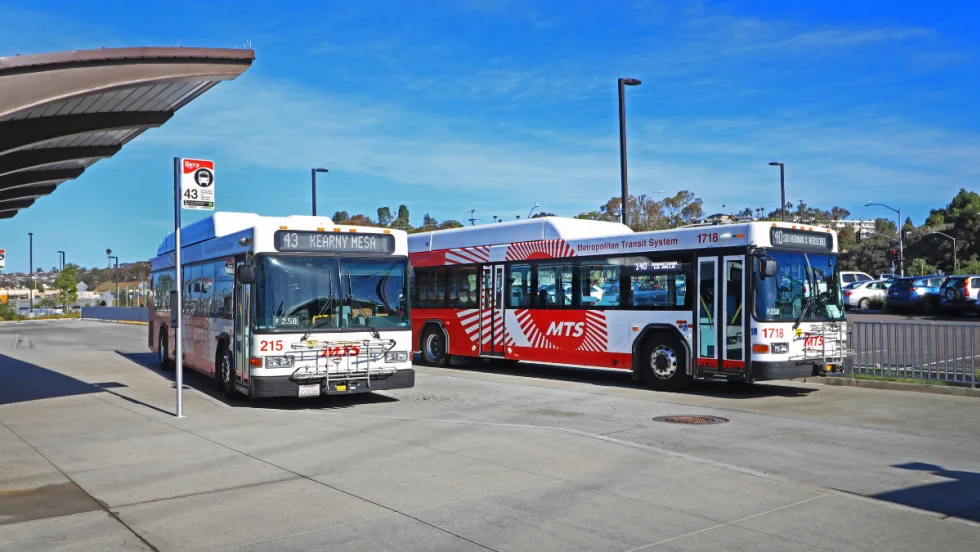
What’s Behind San Diego MTS’s Award-Winning Transit Strategy
Named one of APTA’s 2026 Outstanding Public Transportation Systems with 50 million or more annual passenger trips, California’s San Diego Metropolitan Transit System points to gains in ridership, safety, technology, and reliability as foundations of its success.
Read More →
Public Transit Conference Returning to GFX in 2027, Call for Papers Now Open
The Call for Papers is now open, allowing transit agency professionals and industry experts to help shape the PTC educational program by submitting session ideas for consideration.
Read More →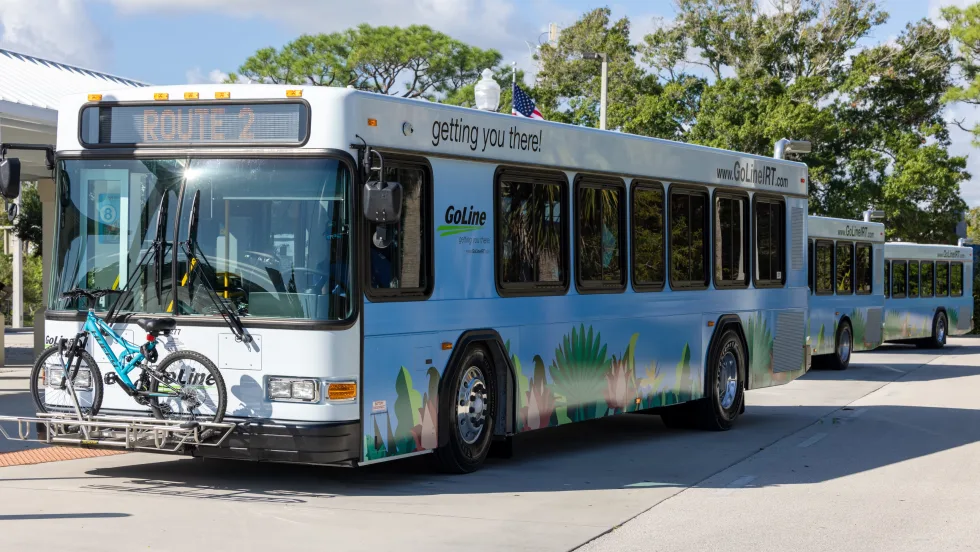
Indian River Transit’s Community-Focused Approach Earns National Recognition
Named APTA’s 2026 Outstanding Public Transportation System in its size category, Florida’s Indian River County transit system continues to grow ridership through fare-free service and a focus on evolving community needs.
Read More →
ENC Lands MATA Contract and More in Biz Briefs
In this edition of Biz Briefs, we spotlight the latest developments shaping the future of mobility.
Read More →From Surviving to Thriving: Building Stronger Transportation Organizations
Bus Business Consultants founder Brian Dickson shares lessons on leadership, organizational health, and creating options for long-term success in a changing transportation industry.
Read More →