



MBTA writes new ad policy to curb lawsuits
The Massachusetts Bay Transportation Authority overhauled its advertising policy and clearly defined its guidelines as a way of deterring lawsuits, which have cost the system hundreds of thousands of dollars to battle.

The Massachusetts Bay Transportation Authority (MBTA) overhauled its advertising policy and clearly defined its guidelines as a way of deterring lawsuits, which have cost the system hundreds of thousands of dollars to battle. Ads involving abortion rights, the AIDS Action Committee and ads decrying cruel animal traps are examples of advertising that have been denied placement by the system. Advertisers protesting this action have involved the MBTA in several lawsuits over the years. The system is currently embroiled in a 11/2-year-old federal lawsuit with Change the Climate, a Greenfield-based group, over pro-marijuana ads. The MBTA has spent about $560,000 so far fighting this suit, which is still in litigation. Previously, the MBTA did not have a written advertising policy in place. Ads were reviewed by the marketing and communications department, legal representatives and representatives of the general managers’ office, basing their decisions on whether the ads were deemed obscene, violent or harmful to children, and if they denigrated groups based on gender, race or political affiliation, said Lydia M. Rivera, MBTA spokeswoman. “There really isn’t anything new to this policy. We’ve just tightened it to clear up some loose ends that might be misinterpreted, and strengthened it,” Rivera said. The new policy includes guidelines, which still require approval from the MBTA’s board, that state the transit agency will not display or maintain any advertisements that are demeaning or disparaging, promote the use or sale of tobacco, contain an image or depiction of a firearm, contain profanity or promote adult-oriented goods or services. MBTA General Manager Michael H. Mulhern will now be a part of the review process, determining if the ads fall into the set categories. “We are confident that [the policy] will curtail the number of suits and give people a clear definition of what the guidelines are without any question,” Rivera said. Although some ads that may have been rejected in the past will be reconsidered, such as a recently banned church ad, Rivera states that the pro-marijuana ads will still not be allowed placement. “The policy is conservative in a good way,” Rivera said. “Boston, overall, is a conservative town.”
More Management
People Movement: Connectpoint Expands Leadership Team, Stadler Names New Group CEO, and More
In this edition, we also spotlight recent personnel moves at Burns, UZURV, and more, highlighting the people taking on new roles across the transportation industry.
Read More →
More Than a Summer Job: Building the Next Generation of Transit Talent
The Delaware River Port Authority and PATCO have transformed their internship program into a hands-on professional development experience that introduces students to the breadth of transportation careers — and creates a pipeline for future employees.
Read More →
LA Metro Board Awards 220 Battery-Electric Bus Contract to ENC
The contract, which is the largest base award of battery-electric buses by a U.S. transit agency, will be built in Southern California, sustaining good jobs as LA prepares to welcome the world in 2028
Read More →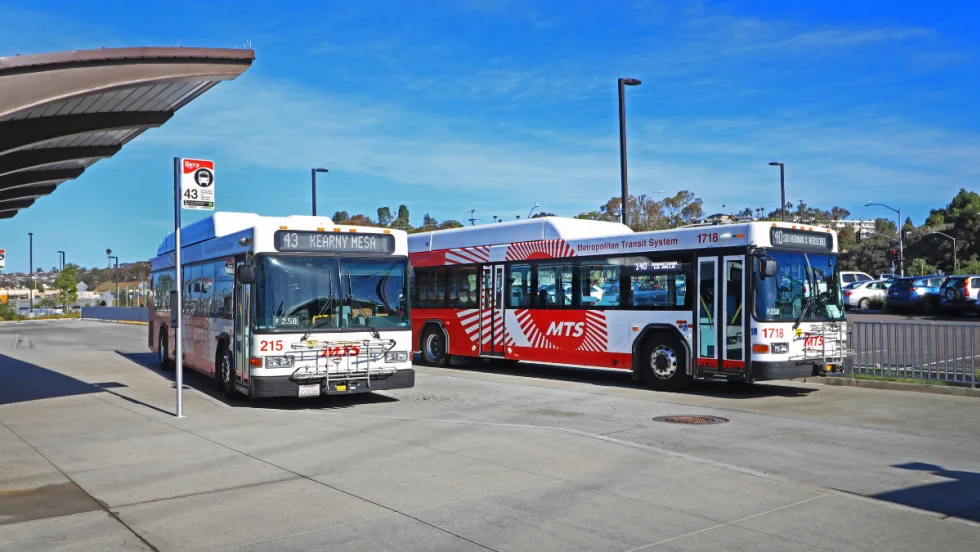
What’s Behind San Diego MTS’s Award-Winning Transit Strategy
Named one of APTA’s 2026 Outstanding Public Transportation Systems with 50 million or more annual passenger trips, California’s San Diego Metropolitan Transit System points to gains in ridership, safety, technology, and reliability as foundations of its success.
Read More →
Public Transit Conference Returning to GFX in 2027, Call for Papers Now Open
The Call for Papers is now open, allowing transit agency professionals and industry experts to help shape the PTC educational program by submitting session ideas for consideration.
Read More →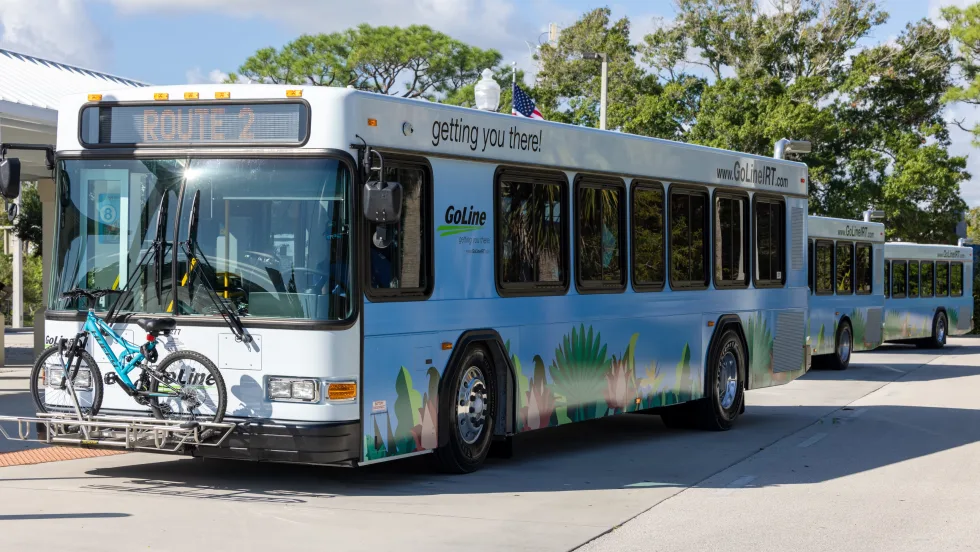
Indian River Transit’s Community-Focused Approach Earns National Recognition
Named APTA’s 2026 Outstanding Public Transportation System in its size category, Florida’s Indian River County transit system continues to grow ridership through fare-free service and a focus on evolving community needs.
Read More →
ENC Lands MATA Contract and More in Biz Briefs
In this edition of Biz Briefs, we spotlight the latest developments shaping the future of mobility.
Read More →
From Surviving to Thriving: Building Stronger Transportation Organizations
Bus Business Consultants founder Brian Dickson shares lessons on leadership, organizational health, and creating options for long-term success in a changing transportation industry.
Read More →
Everett Transit, Community Transit Outline Consolidation Agreement
The proposed agreement calls for a 50% increase in bus service in Everett, a new microtransit zone, continued paratransit service, and the transfer of Everett Transit operations to Community Transit.
Read More →
Strada360’s Steve Lassey on Turning Transit Data Into Better Decisions
From breaking down data silos to preparing for AI, Strada360 CEO Steve Lassey discusses how transit agencies can use technology to improve operations, customer information, and long-term decision-making.
Read More →