



Micro Bird Commercial debuts new vehicles
Micro Bird Commercial is set to debut its new CT-Series vehicle for up to 17 passengers as well as its new D-Series vehicle, featuring a 25-passenger capacity plus luggage space, this September 28 to 30 at BusCon 2015 in Indianapolis.

Micro Bird Commercial is set to debut its new CT-Series vehicle for up to 17 passengers as well as its new D-Series vehicle, featuring a 25-passenger capacity plus luggage space, this September 28 to 30 at BusCon 2015 in Indianapolis.

The CT-Series, offered in gas or diesel engines, provides up to 38% improved fuel economy (Independent test vs. GM gas and current diesel models). As well as a significant fuel economy, the transit model offers new in-cab capless fuel filler and an improved engine compartment layout in both 3.2 liter and 3.7 liter engines.
“The engine is compact, so there is more room for mechanics to maneuver,” said Micro Bird Commercial’s National Sales Manager James Mansell.
In addition to many of the Micro Bird body benefits, the CT chassis offers a new ergonomic design with more visibility and a more comfortable driver’s area, with easy-to-access controls. The new “more-view” window and entrance door feature offers improved sightlines for drivers and passengers entering and exiting the vehicle. Additionally, the new design offers improved driver storage space and a quieter ride, explained Mansell.
“People that know our history know that we focus on quality, longevity and cost of ownership,” said Normand Paquet, VP, sales & marketing.

The CT-Series and D-Series (pictured) vehicles continue advances for company, which launched its commercial product line, redesigned image and website www.mbcbus.com last fall.
Micro Bird (Booth #939) will also be exhibiting its new D-Series vehicle with room for up to 25 passengers and luggage. A 28-passenger capacity version is also newly available.
The diesel-powered unit is a dual rear-wheel bus made of six longitudinal structural beams combined with one-piece galvanized steel roof bows that enhance safety and rollover protection.
Both the CT and D Series buses are purpose-built for tours, assisted living, public transit, shuttle markets and many additional applications.
More Bus
Biz Briefs: New Flyer Delivers in Columbus, Houston, Beep and Freebee Merge, and More
In this edition of Biz Briefs, we spotlight the latest developments shaping the future of mobility.
Read More →
People Movement: Dan Dipert Coaches Adds Third-Generation Leader, Keolis Names New Valley Metro VP/GM, and More
In this edition, we also cover recent appointments and announcements at the Wabtec, SilverRide, HNTB, and more, showcasing the individuals helping to shape the future of transportation.
Read More →
New York MTA Plans Largest Bus Fleet Upgrade in More Than a Decade
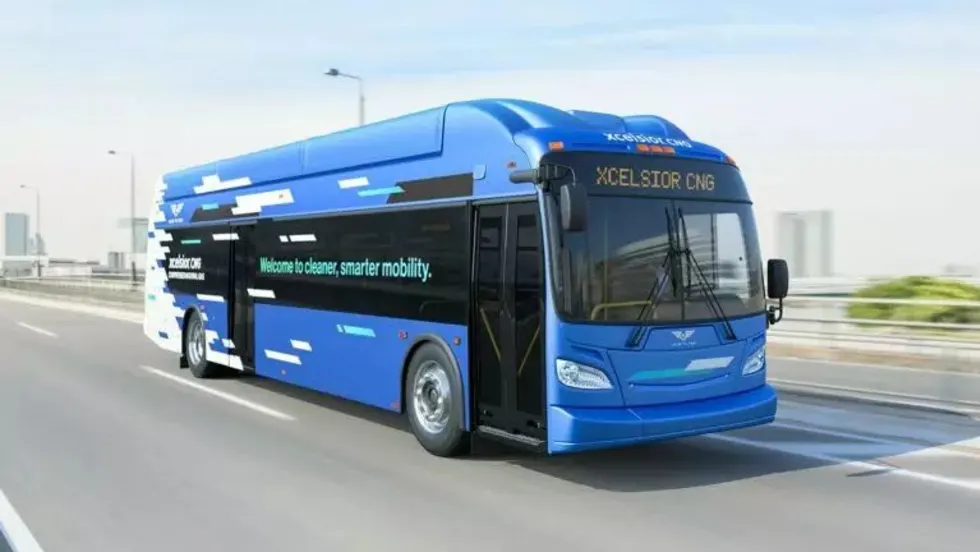
The agency is seeking manufacturers for 650 new CNG buses to replace aging vehicles, improve reliability, and advance its broader fleet modernization strategy.
Read More →
Building a Flexible Path to Transit Electrification
John Hroncich discusses BAE Systems’ modular and scalable approach, lessons learned from decades of real-world operations, and how agencies can identify electrification strategies that fit their fleets.
Read More →
Bus Tech Talk: Keeping Transit Technicians Ahead of the Technology Curve
LA Metro’s Obed Mejia discusses technician training, evolving maintenance technology, fleet replacement, and strategies for getting the most out of today’s transit fleets.
Read More →
Biz Briefs: RIPTA Unveils New Frontrunners, Clevland RTA Adds New Siemens, and More
In METRO's latest installment, we take a look at recent news from Siemens, Prevost, Dodge, and more partnerships making headlines across the transportation sector.
Read More →
People Movement: Holly Arnold Joins Transdev and More
In this edition, we also cover recent appointments and announcements at Pace, CamTran, MCI, and more, showcasing the individuals helping to shape the future of transportation.
Read More →
The High Cost of Transit Buses: Industry Leaders Look to Procurement Reform
Transit leaders and policymakers examine how standardized bus designs, streamlined procurement, and predictable funding could help agencies stretch budgets and deliver better service.
Read More →
The Business Voice Behind Public Transportation
As chair of APTA’s Business Members Board of Governors, Ray Melleady explains how more than 850 business members are partnering with transit agencies to advance funding, innovation, and industry-wide collaboration.
Read More →
From Surviving to Thriving: Building Stronger Transportation Organizations
Bus Business Consultants founder Brian Dickson shares lessons on leadership, organizational health, and creating options for long-term success in a changing transportation industry.
Read More →