



New California bus service starts quickly, eclipses projections
Santa Maria Area Transit fills service void left by departure of Greyhound.

In mid-May, Santa Maria Area Transit launched its new commuter service the Breeze Bus, offering 15 daily trips between Santa Maria, Calif., Vandenberg Air Force Base and Lompoc. Recent data showed a strong start for the service, as ridership numbers exceeded expectations, with 2,478 riders in June 2005, surpassing first-year service projections by 63%. Various studies through the years yielded conflicting conclusions regarding the feasibility of intercommunity transit in northern Santa Barbara County. However, interest in a commuter route between Lompoc and Santa Maria continued to grow. In 2003, the Santa Barbara County Association of Governments approved a three-year pilot program to begin transit service. The demonstration program is funded through a CMAQ (Congestion Mitigation Air Quality Program) grant. Though it could not have been foreseen at the time, the need for this new service increased dramatically in April 2005 (two months before launch), when Greyhound eliminated Lompoc and Vandenberg from its schedule. In an effort to provide much-needed service for air force base personnel and contractors, a Vandenberg shuttle service was launched, which meets the Breeze Bus and takes commuters to their work locations on base. For the service, four Opus low-floor buses manufactured by Optima Bus Corp. were purchased, at $240,000 each, for a total cost of $960,000.
More Management
People Movement: ABC Names John Walsh as Chief Commercial Officer
In this edition, METRO also covers recent appointments and announcements at the DART, STV, and more, showcasing the individuals helping to shape the future of transportation.
Read More →
From Surviving to Thriving: Building Stronger Transportation Organizations
Bus Business Consultants founder Brian Dickson shares lessons on leadership, organizational health, and creating options for long-term success in a changing transportation industry.
Read More →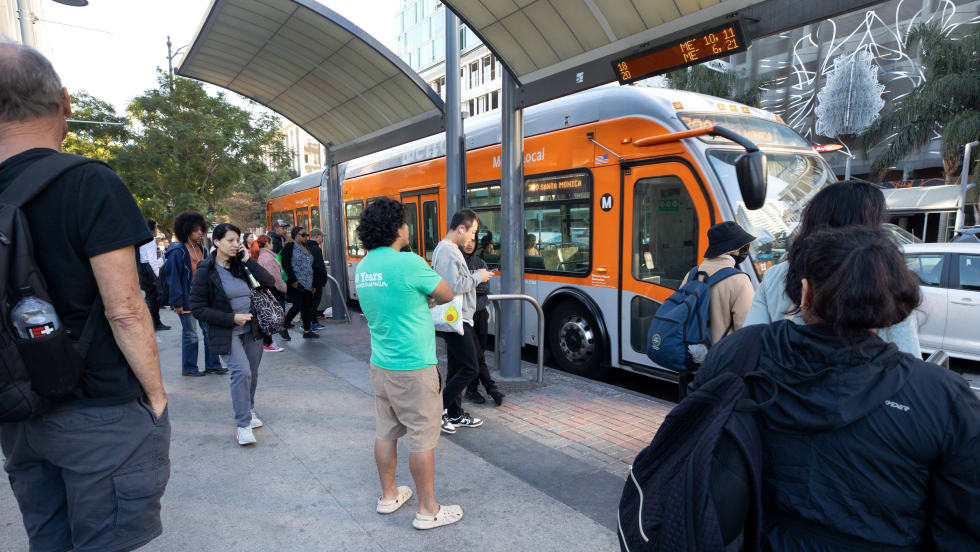
LA Metro Ridership Continues Growth as Rail Gains Accelerate
New rail connections and major events help drive continued ridership gains, with Metro recording its eighth consecutive month of year-over-year rail growth.
Read More →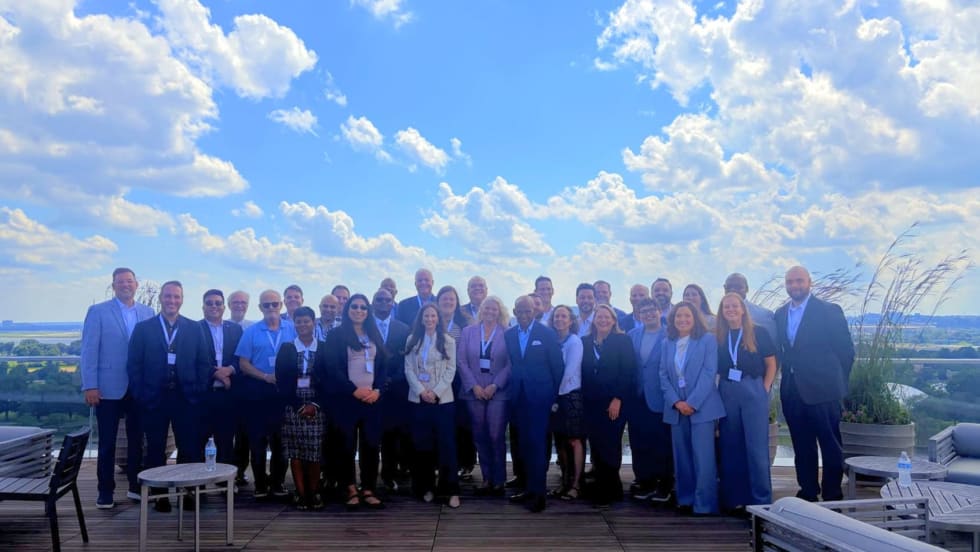
TransDASH Summit Focuses on Measuring What Matters in Transit
Transit agencies unveil a national performance platform designed to benchmark customer experience, safety, community value, and other outcomes.
Read More →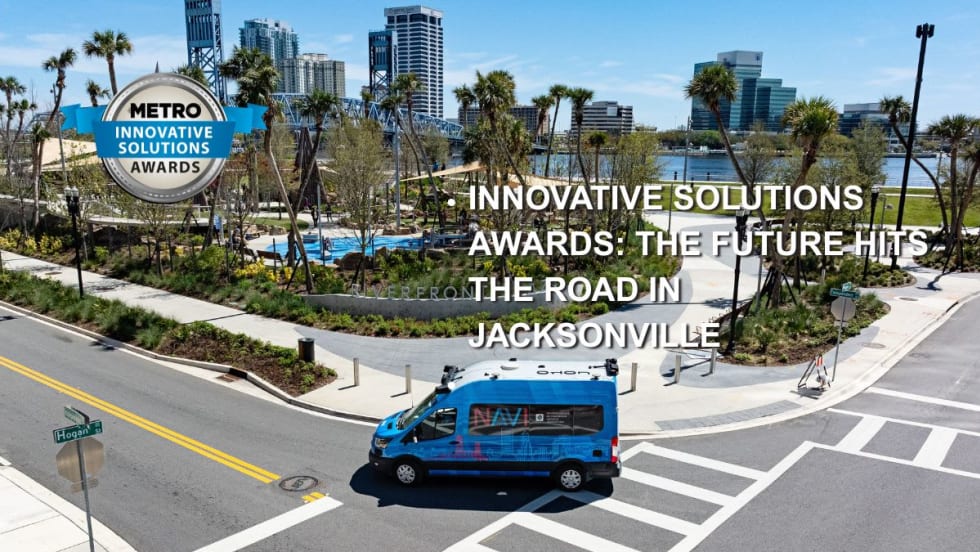
Jacksonville’s NAVI Project Charts a New Course for Autonomous Public Transportation
Through its NAVI program, JTA is showing how autonomous vehicles, intelligent infrastructure, and coordinated operations can work together to deliver everyday public transportation.
Read More →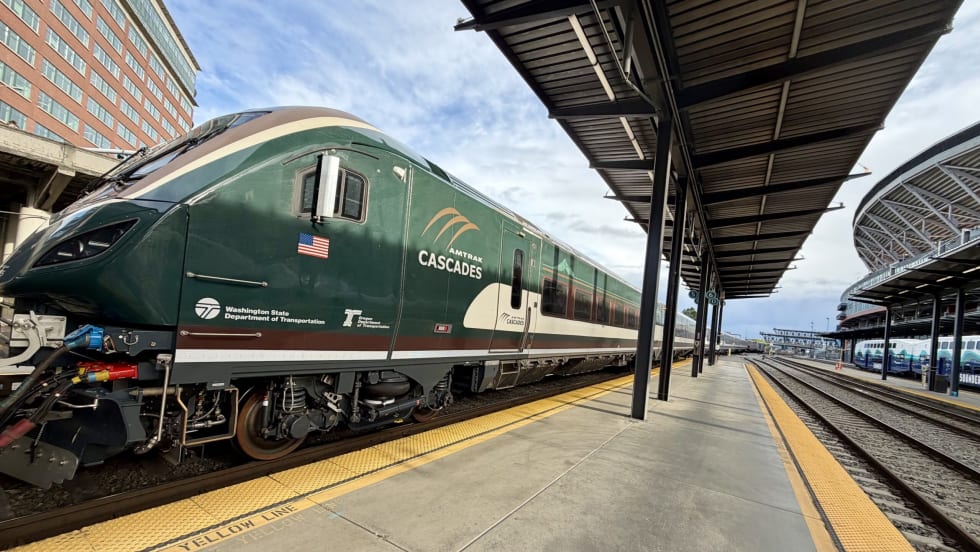
FRA Announces $5.3B in Rail Investments, Including $2B for Amtrak
Funding will support grade-crossing improvements, infrastructure upgrades, and new Amtrak equipment in 23 states.
Read More →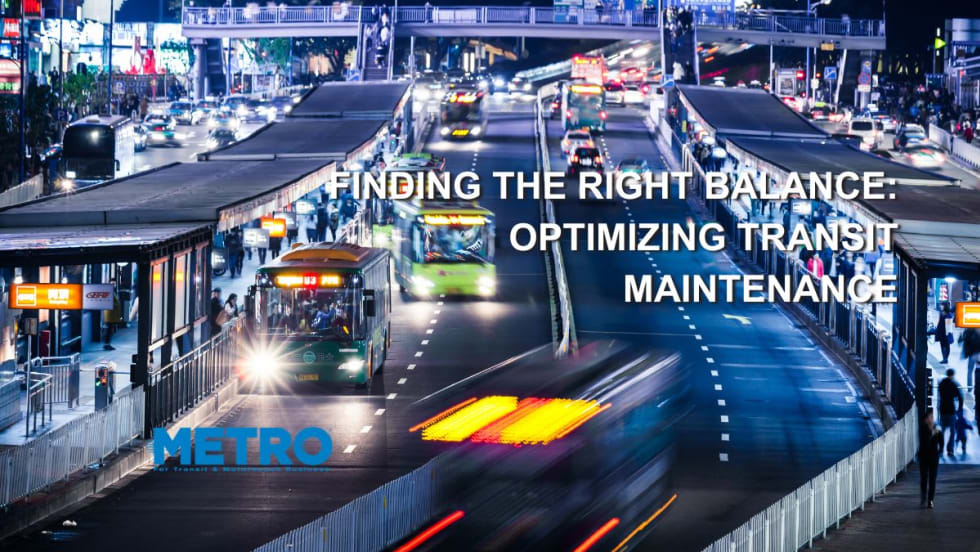
Finding the ‘Happy Medium’: Optimizing Maintenance Without Sacrificing Reliability
The key to maintenance optimization isn’t doing less work—it’s doing the right work at the right time on the right assets.
Read More →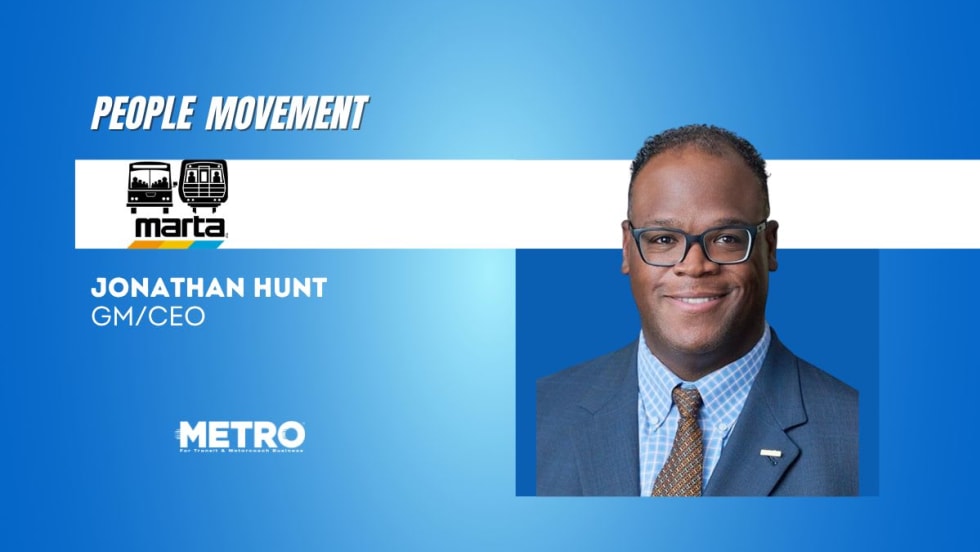
People Movement: MARTA Drops Interim Tag on GM/CEO Hunt and More
In this edition, METRO covers recent appointments and announcements at the FMCSA, HDR, SilverRide, and more, showcasing the individuals helping to shape the future of transportation.
Read More →
VIA Metropolitan Transit Reports 2 Million More Passenger Trips as Better Bus Plan Gains Momentum
San Antonio's transit agency said accelerated service improvements are driving ridership growth, offering another example of how increased frequency and workforce investments can translate into stronger transit performance.
Read More →
ABAF Study Reveals Growing Insurance Crisis for Motorcoach Operators
Preliminary findings show 98% of operators faced premium increases over the past five years, while shrinking insurer participation is putting added pressure on businesses and customers.
Read More →