



New form of transit advertising debuts in Atlanta subway
The Metropolitan Atlanta Rapid Transit Authority (MARTA) becomes the first transit system in the nation to debut subway tunnel advertising.

On September 27, the Metropolitan Atlanta Rapid Transit Authority (MARTA) will become the first transit system in the nation to debut subway tunnel advertising. Deviating from traditional transit advertising venues such as bus shelters, subway stations and onboard buses, subways and trains, this new form of advertising makes use of dark subway walls—previously unexplored territory. Each ad consists of a series of light boxes installed on a subway wall. Each light box contains frame-by-frame clips of the advertisement and, as a train passes through the tunnel, the illuminated boxes create the illusion that a motion picture is playing directly outside the window. “We are excited about the possibility of being on the cutting edge of this new technology, not to mention the wonderful benefit of it being a revenue generator for us,” said Steen Miles, MARTA communications officer. Revenue generation for MARTA, as for many transit authorities, is a top concern and subway tunnel advertising represents a new avenue for generating advertising revenue. “We have a couple of other revenue generating projects in the works, but this is one of the more lucrative,” said Miles. MARTA currently has a yearly advertising revenue of about $5.5 million. According to Miles, “the long-term revenue potential [of tunnel advertising] is about $15 million over five years, if we do 16 sites throughout the system.” Currently, only one test ad featuring Dasani water is installed and that ad alone will generate $90,000 over a six-month period for MARTA. The concept behind subway tunnel advertising was developed by media company Sub-Media in New York. Depending on construction costs, advertisers will pay a monthly fee of $35,000 for a low-traffic tunnel up to $250,000 for a high-traffic tunnel. Transit authorities will collect between 20% and 60% of that amount, depending on the cost of installing the display. Finally, because Sub-Media fabricates, operates, installs and maintains the displays, transit authorities do not incur any costs from tunnel advertising.
More Rail
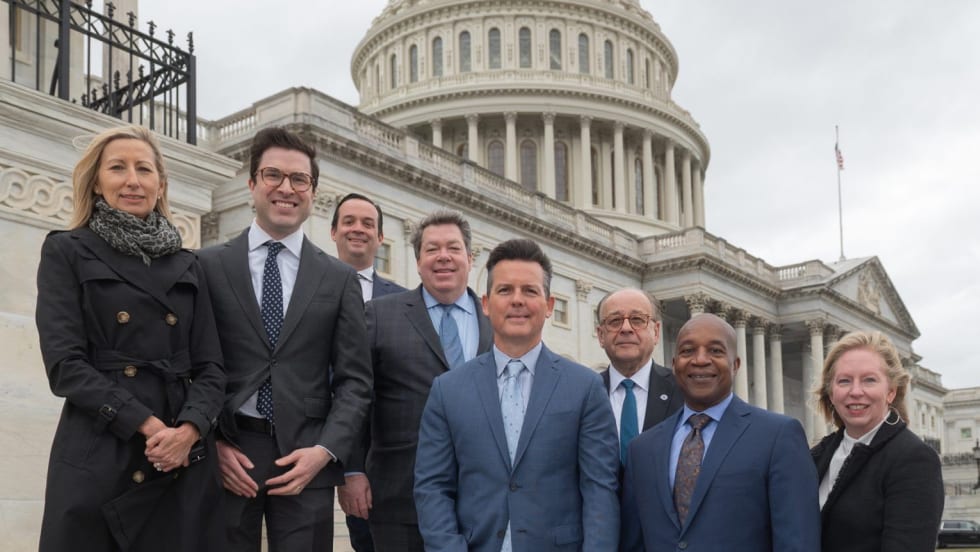
The Business Voice Behind Public Transportation
As chair of APTA’s Business Members Board of Governors, Ray Melleady explains how more than 850 business members are partnering with transit agencies to advance funding, innovation, and industry-wide collaboration.
Read More →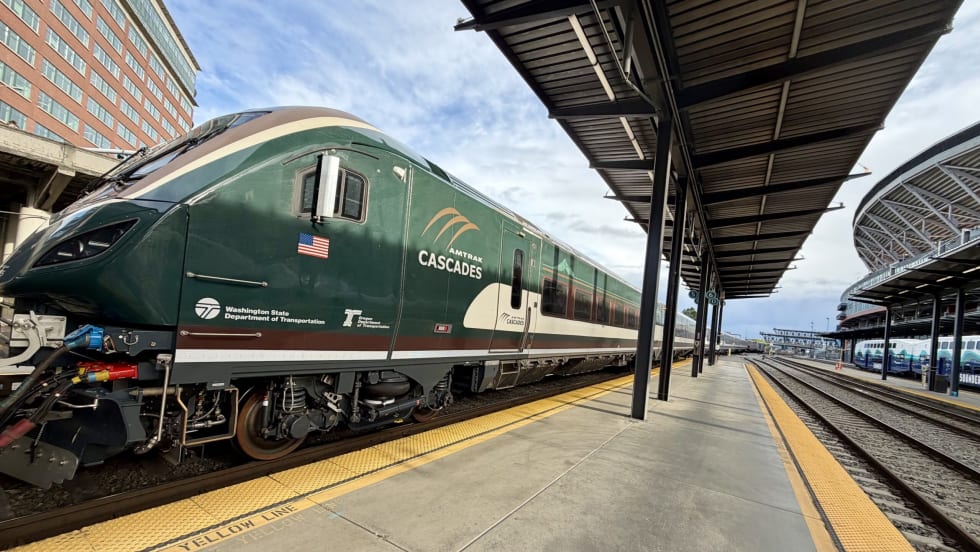
FRA Announces $5.3B in Rail Investments, Including $2B for Amtrak
Funding will support grade-crossing improvements, infrastructure upgrades, and new Amtrak equipment in 23 states.
Read More →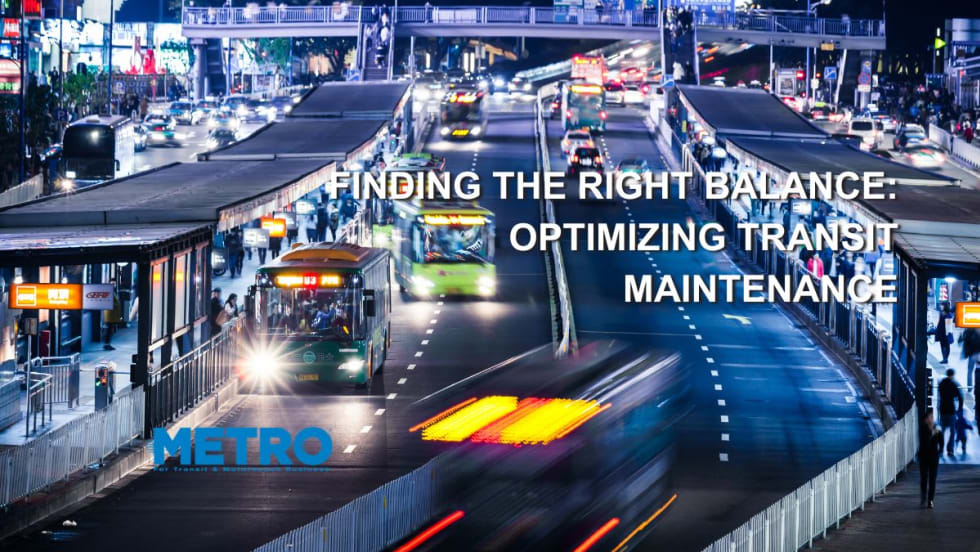
Finding the ‘Happy Medium’: Optimizing Maintenance Without Sacrificing Reliability
The key to maintenance optimization isn’t doing less work—it’s doing the right work at the right time on the right assets.
Read More →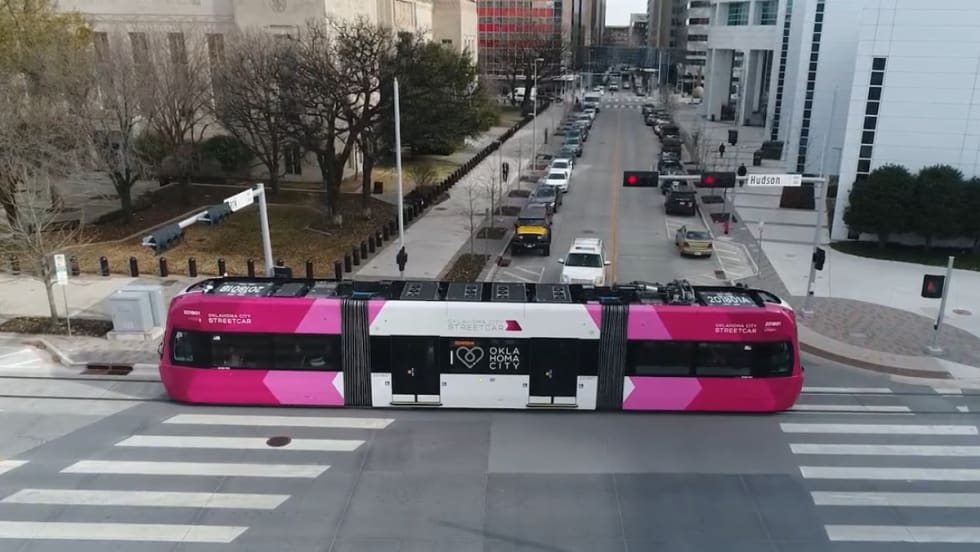
OKC Streetcar Makes Zero-Fare Service Permanent
Ridership increased an average of 71% compared with the same period a year earlier during the fare-free pilot.
Read More →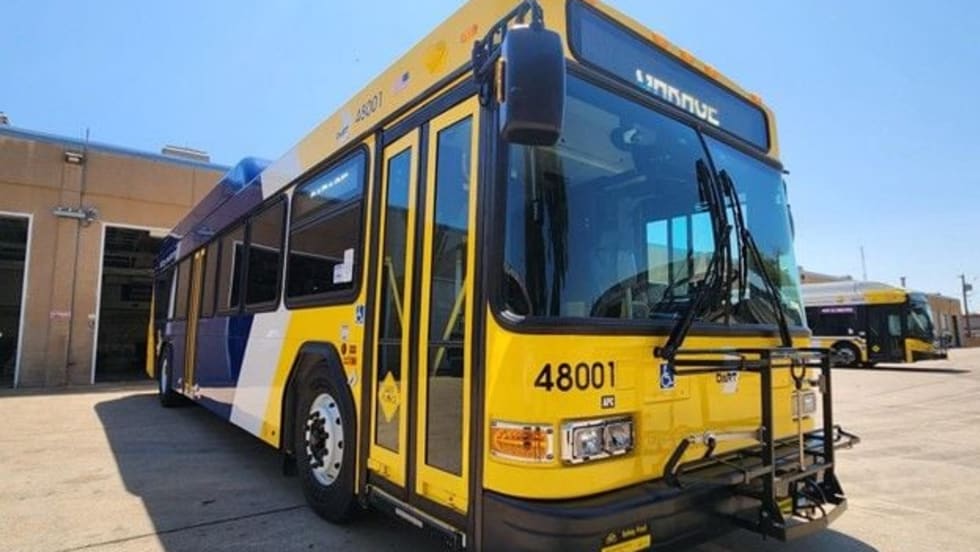
DART Customer Satisfaction Reaches Six-Year High
Overall satisfaction rose to 74.9%, while the agency’s Net Promoter Score reached a record 33.7.
Read More →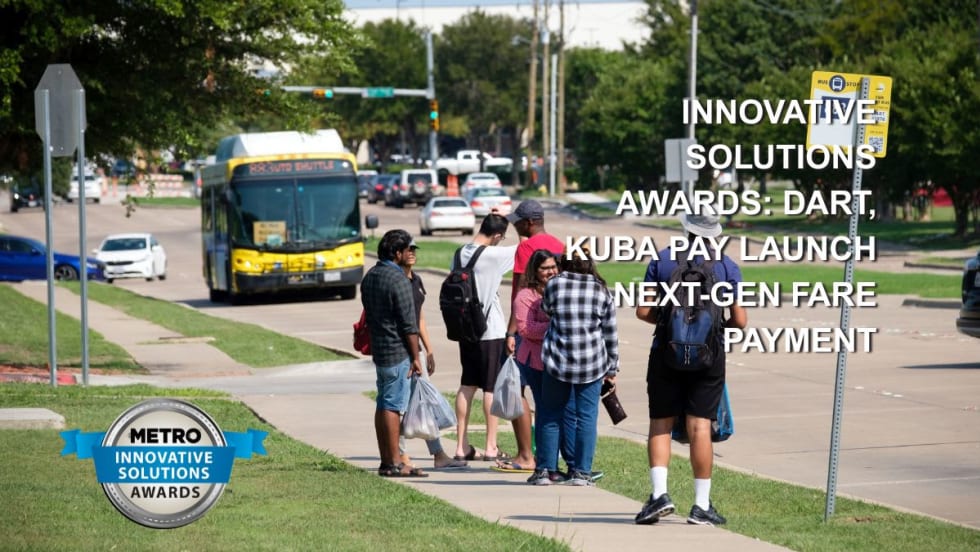
How DART's GoPass Is Redefining Regional Mobility
Serving 14 transit agencies, GoPass simplifies multimodal travel by allowing riders to plan, pay for, and manage an entire trip through one app.
Read More →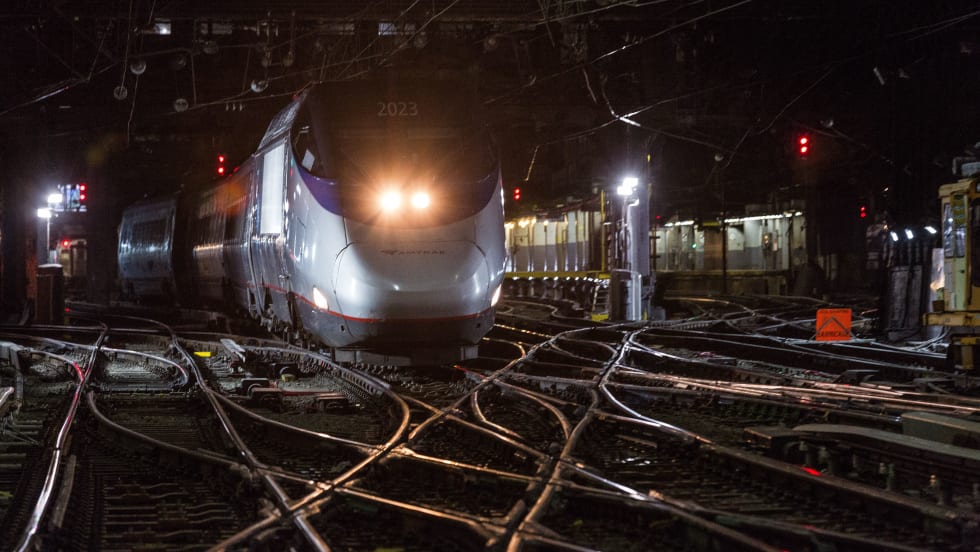
Amtrak Board Advances Plan to Restructure Organization, Seeks Public Input
The proposal, developed by Amtrak management and approved by the board for further consideration, is intended to modernize the organization's structure while improving accountability, operational efficiency, and customer service.
Read More →
Biz Briefs: STV teams with Amtrak, Motorcoach Operators Boost Fleet and Land Contracts, and More
From manufacturers and suppliers to transit agencies and motorcoach operators, these updates offer a snapshot of the projects, partnerships and business moves driving the industry forward.
Read More →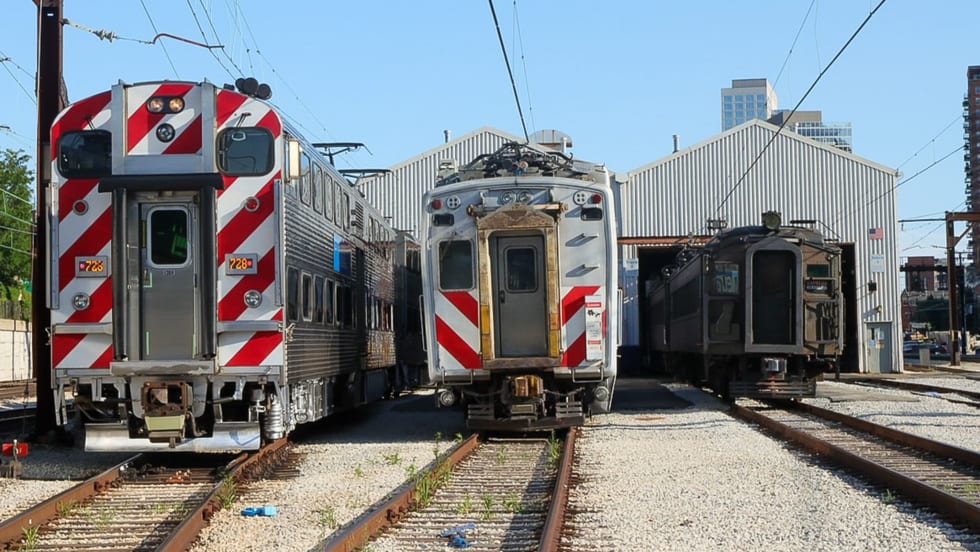
Metra Celebrates 100 Years of Electric Rail, Looks to the Future
The event was also a celebration of recent reforms to public transportation in the Chicago area, changes that could be as transformative in the future as the major civic achievement a century ago, said officials.
Read More →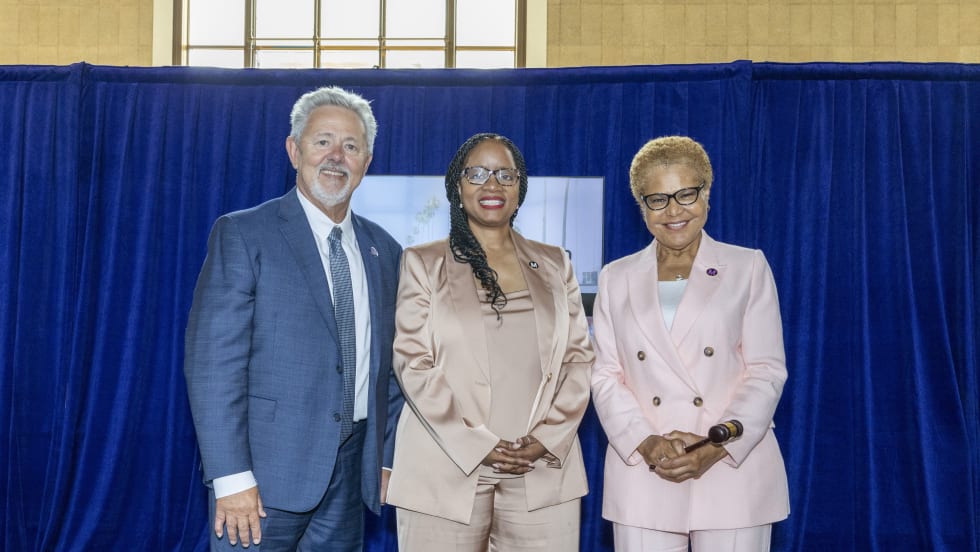
LA Metro Marks Banner Year, Sets Ambitious Goals for New Fiscal Year
Incoming LA Metro Board Chair and Los Angeles Mayor Karen Bass joined outgoing Board Chair Fernando Dutra and LA Metro CEO Stephanie Wiggins to review accomplishments from fiscal year 2026, which included the opening of new rail extensions, advancement of major transit projects, expanded safety programs, and new rider amenities.
Read More →