



Oregon Ironworks builds first U.S.-built modern streetcar
The first modern streetcar built in the U.S. should be in service in Portland by the beginning of 2009.
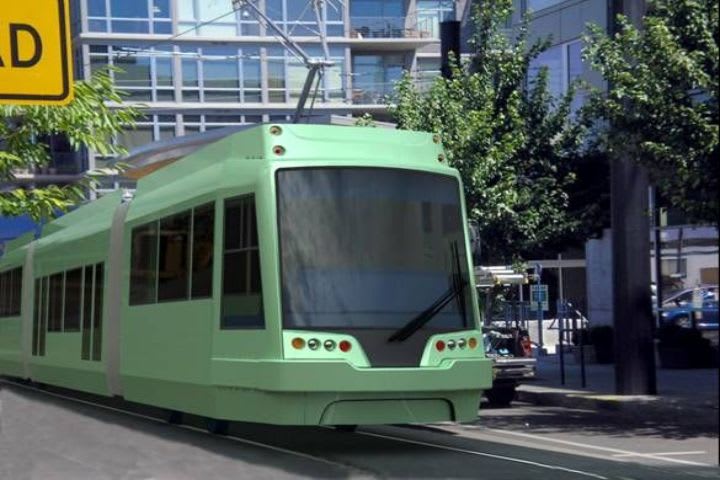
[IMAGE]MET11Streetcar-Oregonrender.jpg[/IMAGE] To this point, modern streetcars have been built outside of the U.S., with many streetcar systems in the country using models manufactured by Czech Republic-based companies Skoda and Inekon Group. This is expected to change by the beginning of 2009, when Portland, Ore.-based Oregon Ironworks’ subsidiary, United Streetcar LLC, unveils the first modern streetcar built in the U.S. on the Portland streetcar system.
“I couldn’t believe no modern streetcars were being built in the U.S.,” explains Chandra Brown, VP for Oregon Ironworks. “I knew the qualifications of my company and that we could build these streetcars. We went on the path of figuring out how we can add them to our product mix.”
Brown explains that due to global climate change and rising gas prices, the time was right for Ironworks to look at expansion into the public transportation sector. Soon, the company went out to find a partner to help in the design of the new vehicles, meeting with both Czech manufacturers before deciding to forge an exclusive partnership with Skoda, which also builds the traction and propulsion systems.
“Our upper management recognizes the enormous interest that the country has for reintroducing these types of vehicles in the U.S. and has seized the opportunity to help make that possible,” says Leon Kaunitz, program manager for both Oregon Ironworks and United Streetcar LLC.
Brown adds that her company is in an ideal situation at this point, because, despite the fact that U.S. streetcar projects aren’t being funded as quickly as most would like, the small production runs suit them well.
“A lot of the big companies aren’t going to set up a production line and do a whole new design of something,” says Brown. “It’s not like light rail, you’re not going to get orders for a hundred of these. So, we think that it’s a perfect kind of niche market for us, we’re more than happy to do two, three cars at a time.”
Despite the lack of U.S. companies building modern streetcars, Brown and Kaunitz say there is much competition worldwide from companies in Spain, France, Germany, Japan and, of course, the Czech Republic, that they hope to gain an upper hand on.
“We went into it knowing full well about all these foreign competitors, but we really believe that the U.S. can compete,” says Brown. “We manufacture things differently here than they do overseas. We are cost effective and feel it will be more convenient for our customers, who can call somebody at any time instead of trying to deal with somebody that is overseas.”
The new modern streetcars that Oregon Ironworks are manufacturing — one model for cold weather cities and one for warm weather — were completely upgraded by Kaunitz and his team to meet Buy America standards. The modern streetcars feature a quieter more comfortable ride and will address ADA concerns by being easy to enter and exit the vehicle. Beyond that, Oregon Ironworks is reluctant to let go of too many of their secrets just yet.
However, they are ambitiously waiting the influx of streetcar systems in the U.S. and are already looking forward to what the future may hold.
“Once we start producing these streetcars that began through a partnership with Skoda, our intention is to continue to meet the evolving requirements of the U.S. market,” says Kaunitz. “The next step is to transform this model so that you will see less of the original, but instead see an improved look over both the international car and the revised Buy America version.”
Some future plans of improvement for Oregon Ironworks include a five-body streetcar in addition to the three-body streetcar, moving into higher speeds that could compete in the light rail market, and doing away with catenaries and moving toward independent propulsion systems, such as battery power.
The new modern streetcar will be running in Portland around the beginning of 2009, with Oregon Ironworks also in competition for the Tucson, Ariz. streetcar project and for Portland’s Eastside Loop extension.
More Rail
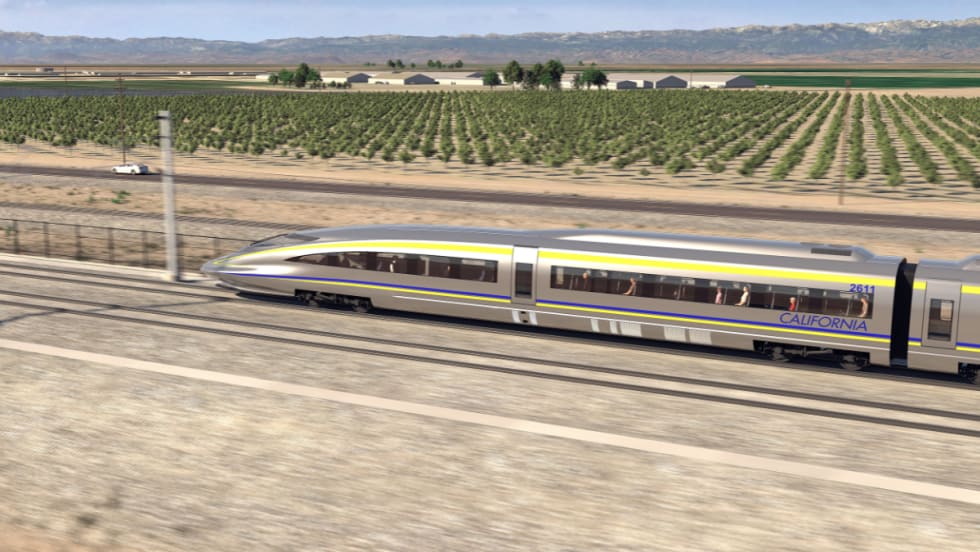
Keolis and SNCF Voyageurs Bring Rail Expertise to California High-Speed Rail
The CDA establishes a collaborative predevelopment partnership intended to evaluate future delivery opportunities through public-private partnership models.
Read More →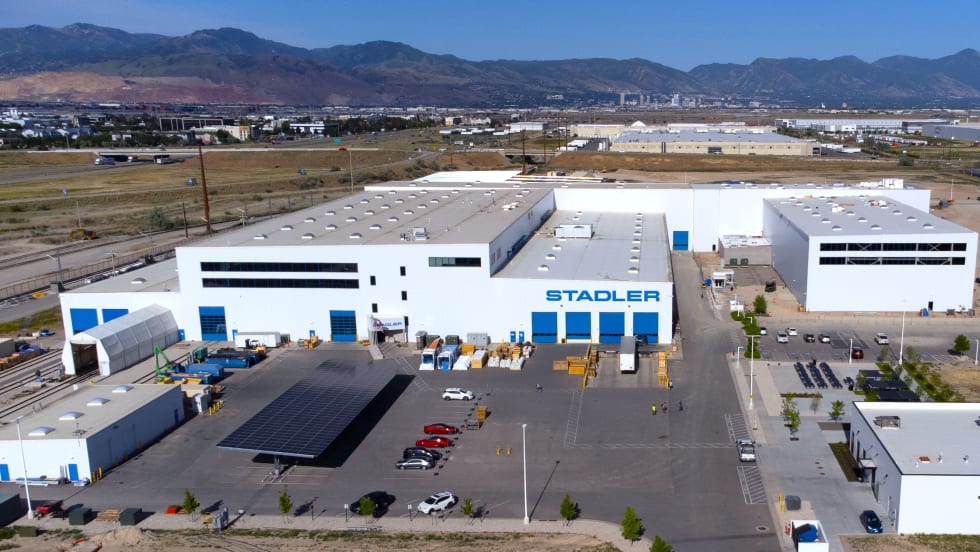
Stadler Marks 10 Years in the U.S. with Salt Lake City Expansion
The expansion is expected to create up to 300 new local jobs, some of which are youth apprenticeships, said Stadler officials.
Read More →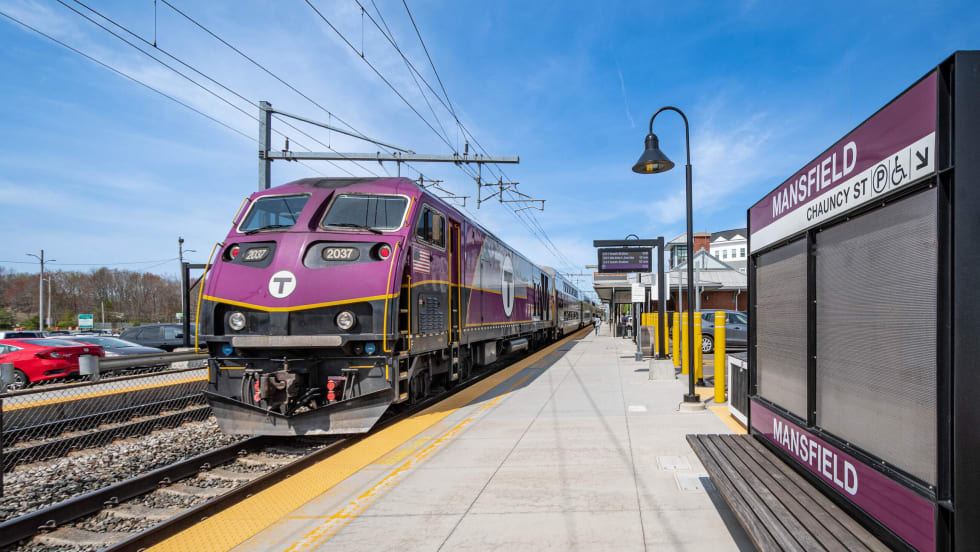
MBTA Selects STV to Support Battery-Electric Locomotive Procurement
The firm's seven-year contract includes end-to-end support from bid review and selection through procurement, production, and testing.
Read More →
Executive Order Aims to Improve Transit Access Across California
The order directs state agencies to streamline transit project delivery, improve coordination, and expand access to bus and passenger rail services across California.
Read More →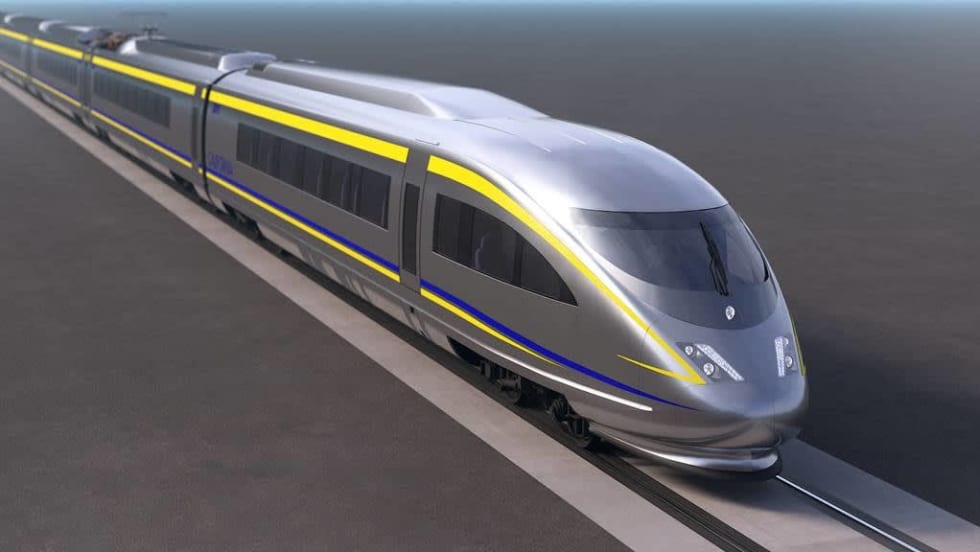
California High-Speed Rail Advances Merced–Madera Construction Procurement
The procurement represents a major expansion of active high-speed rail construction.
Read More →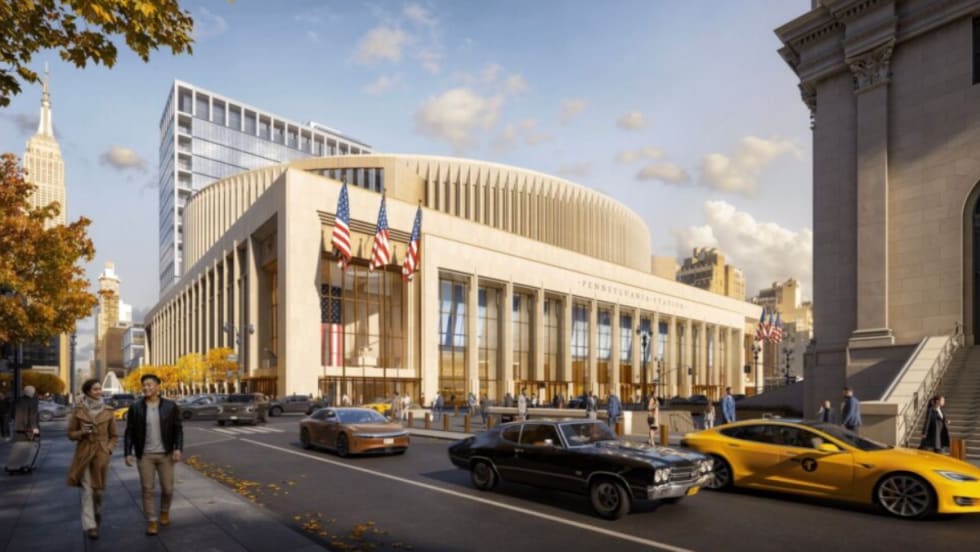
Amtrak Finalizes Pre-Development Agreement for Penn Station Overhaul
The agreement advances plans for a $7 billion to $8 billion transformation of New York's busiest transit hub, with construction expected to begin by the end of 2027.
Read More →
New York MTA Leverages Zoning Program to Advance Station Accessibility
Accessibility enhancements at Nevins St Station will be financed through a development agreement tied to the MTA's Zoning for Accessibility initiative.
Read More →
Virginia's $28.5B Transportation Plan Targets Transit and Rail
Approved by the Commonwealth Transportation Board, the program supports ongoing infrastructure projects while providing new investments in transit, state of good repair and transportation alternatives.
Read More →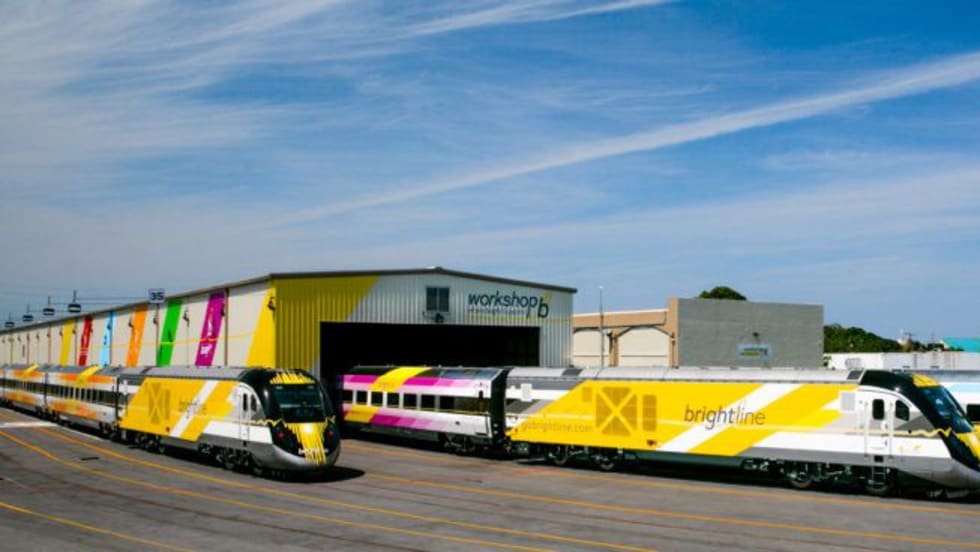
DOT: Brightline Corridor Incidents Fall 30% Following Federal Safety Upgrades
Safety improvements funded through a $25 million federal investment are credited with reducing trespassing and train-vehicle collisions along the Brightline Florida corridor.
Read More →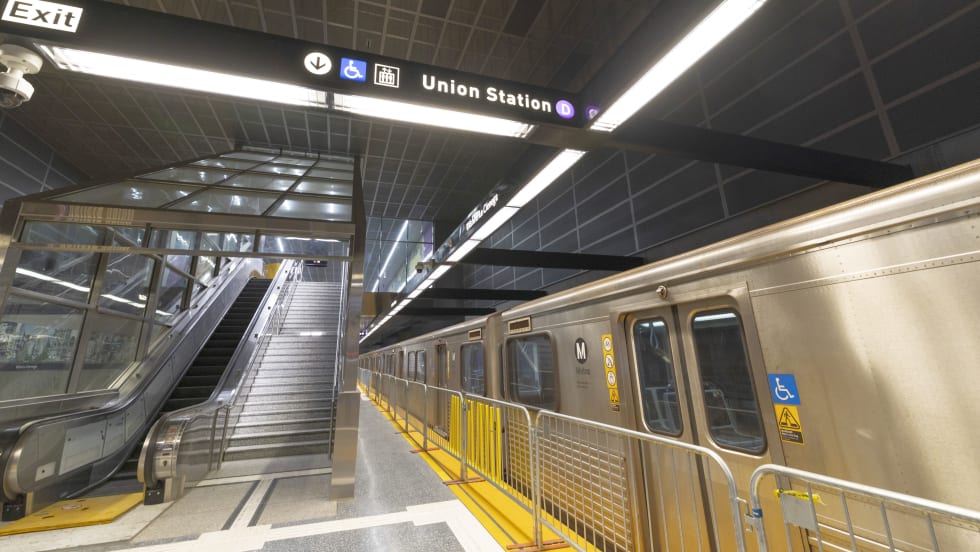
D Line Expansion Fuels Growth Across LA Metro's Rail System
Weekend rail ridership was especially strong, soaring 18% as riders embraced expanded access to jobs, entertainment, dining, and cultural destinations, said the agency. Total system ridership for May, including bus and rail, was 26,966,657.
Read More →