



Product Roundup: Electric Bus Solutions
Some of the latest battery-electric bus charging and software programs from INIT, ABB, Momentum Dynamics, and Optibus.
INIT
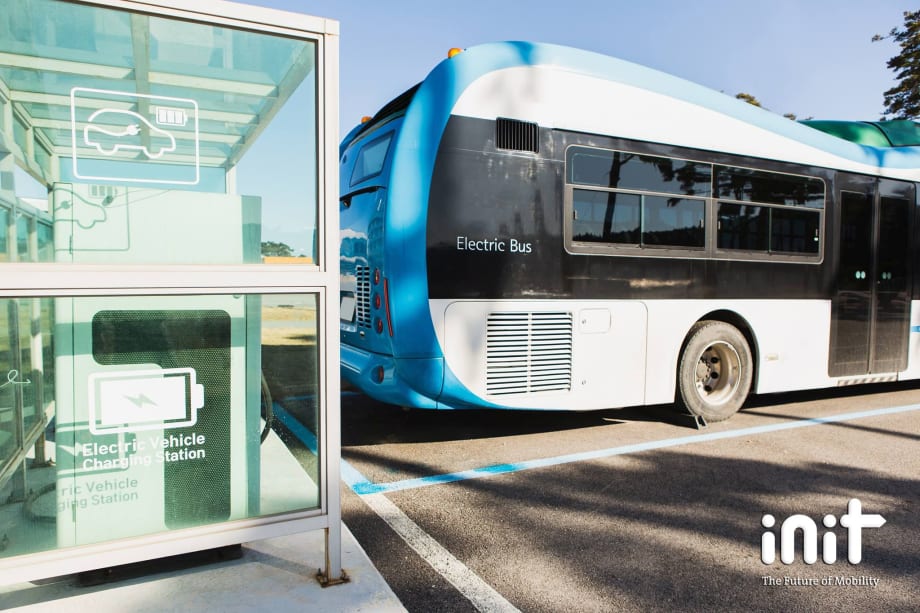
The eMOBILE-PLAN simulation tool for the planning and optimization of electric vehicles into fleets, allows agencies to simulate scenarios using different types of electric buses, different placements of charging stations within a network, and even different route profiles and temperature ranges to generate efficient and economical timetables, blocks, and duty schedules. The tool empowers agencies to define the medium- and long-term impacts on energy costs and personnel requirements while helping them minimize risks. www.initusa.com
ABB
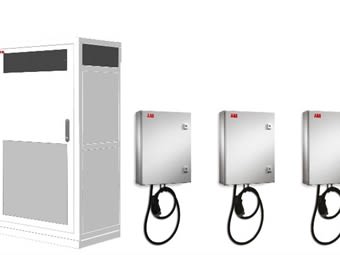
HVC-Overnight Charging products offer an intelligent and cost-effective solution to charge larger fleets of electric buses during the night. Key features include, sequential charging; small infrastructure footprint of the depot charge-box; flexible design for roof and floor mounting; CCS- and OCPP-compliant; and remote diagnostics and management tools. https://new.abb.com
Momentum Dynamics
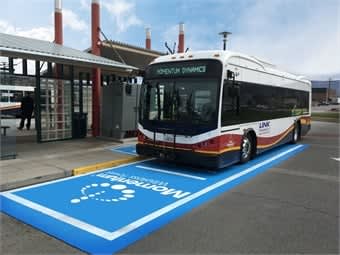
Momentum Dynamics’ fast wireless charging system allows electric vehicles to operate all-day with unlimited range. The modular automatic charging system works for en-route and in-depot charging of electric vehicles by providing 50 kW to 450 kW charging at high efficiency. It operates under all weather conditions and has the lowest total cost of ownership. Contact info@momentumdynamics.com. www.momentumdynamics.com
Optibus
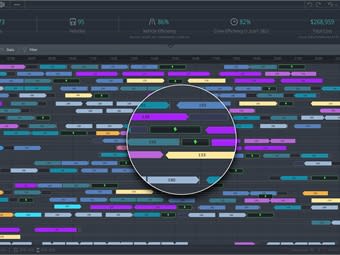
Optibus’ Electric Vehicle Scheduling system uses EV-specific metrics to create the most integrated and optimal operational and charging plan. Allows users to easily access rules and preferences related to battery use, charging requirements; create an accurate operational schedule that includes the optimal charging times and locations; valuable access to pre-defined battery and EV Optibus Customer Success best practices; and integrate with and iterate schedules based on EV battery data. www.optibus.com
More Technology

From Hardware to Digital Partner: Luminator Charts Its Next Chapter
CEO Magnus Friberg discusses Luminator’s shift toward becoming a digital partner, the growing importance of software and interoperability, and how AI can help agencies improve operations and passenger experience.
Read More →
Beyond the Checklist: A Structured Approach to Transit Maintenance
Reliability-Centered Maintenance helps transit agencies move beyond routine checklists to focus limited resources on the assets and failures that have the greatest impact on safety, reliability, and service.
Read More →
NJ TRANSIT Advances Bus Technology Upgrades Across Statewide Fleet
More than 1,500 buses now feature upgraded technology designed to improve arrival predictions and provide free Wi-Fi, with deployment expected to reach nearly 2,000 buses by the end of 2026.
Read More →

Building a Flexible Path to Transit Electrification
John Hroncich discusses BAE Systems’ modular and scalable approach, lessons learned from decades of real-world operations, and how agencies can identify electrification strategies that fit their fleets.
Read More →
Biz Briefs: Alstom Lands Canadian Contract, LYT to Supply California TSP, and More
In METRO's latest installment, we take a look at recent news from Complete Coach Works, Beep, FlixBus, and more partnerships making headlines across the transportation sector.
Read More →
From Legacy Silos to Conversational Intelligence
What if transit leaders could ask any operational question and get a trusted answer in seconds? Conversational AI is transforming how agencies use their data.
Read More →
USDOT Announces Rail Vehicle Replacement Grants, Chattanooga AV Shuttle Funding
More than $191 million in federal funding will help three transit agencies replace aging rail vehicles and support a new autonomous shuttle service in Chattanooga.
Read More →
Bus Tech Talk: Keeping Transit Technicians Ahead of the Technology Curve
LA Metro’s Obed Mejia discusses technician training, evolving maintenance technology, fleet replacement, and strategies for getting the most out of today’s transit fleets.
Read More →
Biz Briefs: RIPTA Unveils New Frontrunners, Clevland RTA Adds New Siemens, and More
In METRO's latest installment, we take a look at recent news from Siemens, Prevost, Dodge, and more partnerships making headlines across the transportation sector.
Read More →
Why Simulating Pedestrian Movement Has Become Essential for Modern Rail Stations
Pedestrian microsimulation is helping rail planners identify bottlenecks, test station designs, and prepare complex transit hubs for growing passenger volumes.
Read More →