



Publisher's Perspective: BRT becomes a mainstream mode
BRT has become commonplace now in the U.S., with cities large and small either planning or having already implemented BRT.
BRT has become commonplace now in the U.S., with cities large and small either planning or having already implemented BRT.
The mode is also being used for a wide variety of applications, as trunk routes, feeders and circulators. In fact, the biggest implementation challenge, which I’ll discuss in a moment, is that there is no single definition of BRT.
The fastest growing mode in history?
In many ways, BRT is not a new concept. We have had dedicated lanes in city downtowns and busways for years in the U.S. and even longer in other countries. The first systems to be called BRT occurred in the early 1970s in Curitiba, Brazil; the first policies were started in the U.S. in the late 1990s.
Since then, more than 3,300 miles of BRT have been launched in more than 200 cities throughout the world, according to EMBARQ, an international group that has tracked this. And that number is an undercount, because it only counts those systems with a majority of its network in dedicated lanes or separated busways. The most common type of BRT in the U.S., of course, has less than a majority of the route length in dedicated lanes, but has all of the other elements that define BRT.
Why BRT is difficult to understand
Other elements that define BRT, such as such as branded, visible stations and shelters and branded buses with higher-tech amenities, have also been around for a while. Perhaps the newest twist is giving buses traffic signal priority or advanced propulsion, such as all-battery power. What really defines BRT is how these elements are used together, but even that is a large number because these elements are applied according to what the situation dictates, making it a very flexible mode. Which is why BRT might confuse the general public, and why clear, consistent communication is so essential to implementing a successful BRT service.
Federal transportation policy since 2012 places BRT in two basic groups: “fixed-guideway BRT” and “corridor-based BRT.” Yet the only real difference is that fixed-guideway BRT has a majority of the project in dedicated lane, while the other doesn’t; all of the other elements, such as branded stations and buses and faster, longer and more frequent service, are the same.
Because each city defines what it means by its version of BRT, having all of the advocates on the same page, especially through a development process that takes years, is often the difference between success and failure when it comes to any public transportation project, but especially with BRT.
More Bus
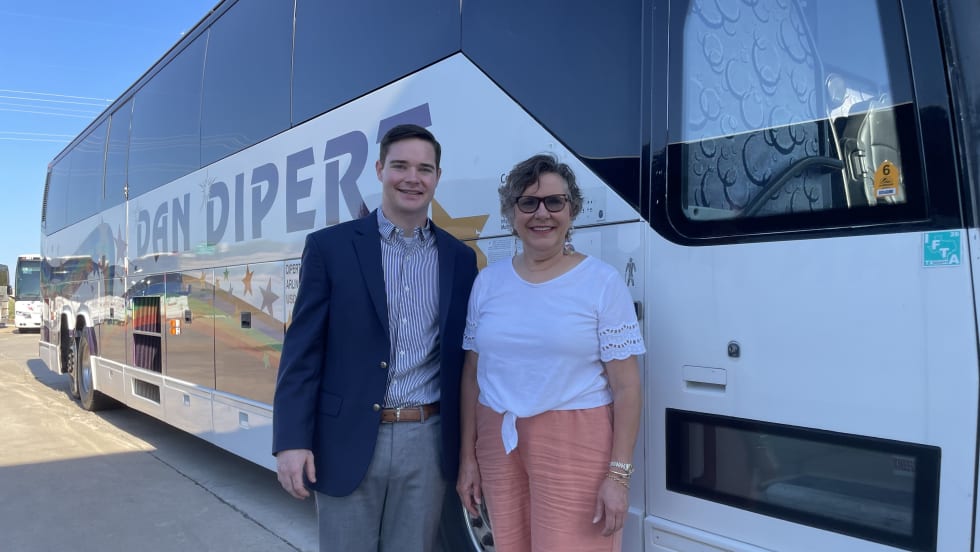
People Movement: Dan Dipert Coaches Adds Third-Generation Leader, Keolis Names New Valley Metro VP/GM, and More
In this edition, we also cover recent appointments and announcements at the Wabtec, SilverRide, HNTB, and more, showcasing the individuals helping to shape the future of transportation.
Read More →
New York MTA Plans Largest Bus Fleet Upgrade in More Than a Decade
The agency is seeking manufacturers for 650 new CNG buses to replace aging vehicles, improve reliability, and advance its broader fleet modernization strategy.
Read More →
Building a Flexible Path to Transit Electrification
John Hroncich discusses BAE Systems’ modular and scalable approach, lessons learned from decades of real-world operations, and how agencies can identify electrification strategies that fit their fleets.
Read More →
Bus Tech Talk: Keeping Transit Technicians Ahead of the Technology Curve
LA Metro’s Obed Mejia discusses technician training, evolving maintenance technology, fleet replacement, and strategies for getting the most out of today’s transit fleets.
Read More →
Biz Briefs: RIPTA Unveils New Frontrunners, Clevland RTA Adds New Siemens, and More
In METRO's latest installment, we take a look at recent news from Siemens, Prevost, Dodge, and more partnerships making headlines across the transportation sector.
Read More →
People Movement: Holly Arnold Joins Transdev and More
In this edition, we also cover recent appointments and announcements at Pace, CamTran, MCI, and more, showcasing the individuals helping to shape the future of transportation.
Read More →
The High Cost of Transit Buses: Industry Leaders Look to Procurement Reform
Transit leaders and policymakers examine how standardized bus designs, streamlined procurement, and predictable funding could help agencies stretch budgets and deliver better service.
Read More →
The Business Voice Behind Public Transportation
As chair of APTA’s Business Members Board of Governors, Ray Melleady explains how more than 850 business members are partnering with transit agencies to advance funding, innovation, and industry-wide collaboration.
Read More →
From Surviving to Thriving: Building Stronger Transportation Organizations
Bus Business Consultants founder Brian Dickson shares lessons on leadership, organizational health, and creating options for long-term success in a changing transportation industry.
Read More →
Finding the ‘Happy Medium’: Optimizing Maintenance Without Sacrificing Reliability
The key to maintenance optimization isn’t doing less work—it’s doing the right work at the right time on the right assets.
Read More →