



RIPTA to bring accessible taxicabs to area
Originally planning to begin the program in September, RIPTA had settled on buying Chrysler minivans. However, because RIPTA plans to buy 10 vans, the vehicles must pass Altoona testing; a process which the vans previously selected had not gone through.
Rhode Island community members have already heard about the new taxicabs, and Therrien said the cab companies as well as RIPTA have already been receiving queries.
Rhode Island community members have already heard about the new taxicabs, and Therrien said the cab companies as well as RIPTA have already been receiving queries.
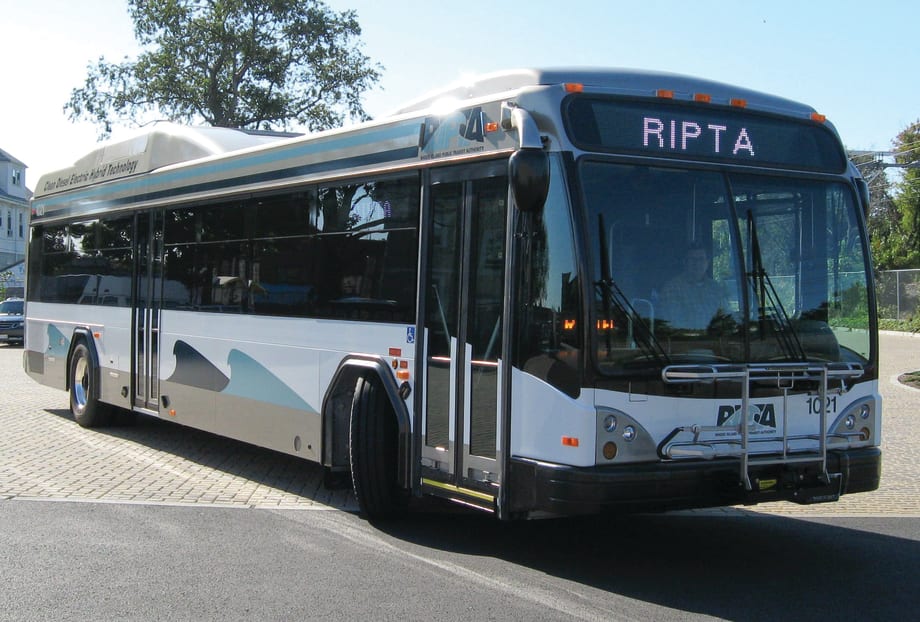
Wheelchair-accessible taxicabs are expected to hit the streets by November in Rhode Island, according to Mark Therrien, assistant GM, planning, for the Rhode Island Public Transit Authority (RIPTA).
Originally planning to begin the pro-gram in September, RIPTA had settled on buying Chrysler minivans. However, because RIPTA plans to buy 10 vans, the vehicles must pass Altoona testing; a process which the vans previously selected had not gone through. As a result, Therrien said the bidding was set to open again in early June.
The 10 wheelchair-accessible cabs will be distributed among six taxicab companies in the state, all of which are small companies, according to Therrien. RIPTA will pay for 80 percent of the cost of the van cabs through funds from New Freedom, a federal grant through the Federal Transit Administration's transportation safety funding.
Therrien said RIPTA is hopeful that the program will become self-sufficient, especially if the grant is not renewed.
"We're definitely doing this as a seed program," Therrien said. "We hope [the cab companies] will see there's enough business and want to buy their own accessible vehicles in the future."
The van cabs will work similar to most wheelchair-accessible vans, with a side door ramp and a locking system to secure the chairs. The vehicles can seat one wheelchair, which came as a result of a compromise with the cab companies. Therrien said the cab companies wanted to ensure enough trunk space for airport travelers, as well as be able to use the cabs for regular service.
The vans' lifespan will follow government regulations of four years or 100,000 miles, whichever comes first. After this mark, Therrien said the van cabs will be turned over to the cab companies. Taxicab regulations allow cabs to be active up to 200,000 miles.
The vans also are intended to be used as part of the state's paratransit fleet, according to Therrien.
Wheelchair-accessible taxicabs were made mandatory by the Rhode Island Legislature in 2007. The Coderre bill requires that 2 percent of a cab company's fleet must be wheelchair accessible. There are no taxicab requirements set by the Americans with Disabilities Act.
Therrien said RIPTA and several disabled-related organizations had been meeting for quite some time before the law went into effect.
Further, because RIPTA understands both cab regulations and government fleet regulations, Therrien said it became a good ally for the cab companies.
Rhode Island community members have already heard about the new taxicabs, and Therrien said the cab companies as well as RIPTA have already been receiving queries.
Marie Perna, founder of Accessible Rhode Island, a nonprofit that aggregates information on accessible services and businesses in the state, said she has been following the issue for several years.
"This came from a need for a more accessible Rhode Island," said Perna, who in September 2010 stepped away from the nonprofit and founded the Multiple Sclerosis Dream Center with her husband.
Perna called her own efforts with Accessible Rhode Island and the efforts of RIPTA in creating the wheelchair-accessible taxicabs "a labor of love."
The MS Dream Center sees about 30 people daily, and Perna hopes the taxicabs will make access to her center easier. Perna added that in the past she has had to turn down disabled community members for services because they weren't close enough to a regular RIPTA bus route for traveling.
"You'd have to be in a wheelchair full time to understand the value of such an opportunity," Perna said, "And, many of our members are in such a condition."
More Paratransit

Biz Briefs: RIPTA Unveils New Frontrunners, Clevland RTA Adds New Siemens, and More
In METRO's latest installment, we take a look at recent news from Siemens, Prevost, Dodge, and more partnerships making headlines across the transportation sector.
Read More →
King County Metro Makes ADA Paratransit Easier to Navigate
METRO's Innovative Solutions Award winner replaces complex service-area descriptions with an accessible, interactive map that puts paratransit information directly in customers’ hands.
Read More →
Jacksonville’s NAVI Project Charts a New Course for Autonomous Public Transportation
Through its NAVI program, JTA is showing how autonomous vehicles, intelligent infrastructure, and coordinated operations can work together to deliver everyday public transportation.
Read More →
Driving Smarter Paratransit
John Hanlon shares how AlphaRoute is leveraging AI-powered technology to help paratransit providers optimize operations, support frontline staff, and enhance the rider experience.
Read More →
METRO Magazine Announces 2026 Innovative Solutions Awards Winners
Projects Recognized for Advancing Mobility Through Technology, Accessibility, Workforce Innovation, and Operational Excellence
Read More →
Biz Briefs: STV teams with Amtrak, Motorcoach Operators Boost Fleet and Land Contracts, and More
From manufacturers and suppliers to transit agencies and motorcoach operators, these updates offer a snapshot of the projects, partnerships and business moves driving the industry forward.
Read More →
Biz Briefs: Masabi Teams with St. Louis Metro and More
In METRO's latest installment, we take a look at recent news from Transdev, Hitachi, and more partnerships making headlines across the transportation sector.
Read More →
New York MTA Leverages Zoning Program to Advance Station Accessibility
Accessibility enhancements at Nevins St Station will be financed through a development agreement tied to the MTA's Zoning for Accessibility initiative.
Read More →
Reinventing Fleet Maintenance with Real-time Visibility and AI
Transit leaders need to know what needs fixing, where to look, who is responsible, when work is completed, and what it costs without having to chase information across disconnected systems.
Read More →
SamTrans Sets Priorities for Potential Connect Bay Area Revenue
The board-approved framework allocates future funding to maintaining service, rider improvements, equity initiatives, and infrastructure repairs.
Read More →