



Safety for Operators and Pedestrians
Operators can help make the streets safe for all by being more aware of pedestrians and proceeding with caution.

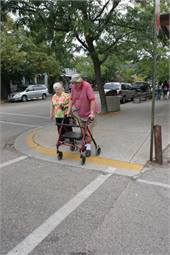
For transportation agencies, summer can bring more school-age children wanting to get to entertainment venues, tourists looking to explore fun cities and pedestrians walking around to enjoy good weather. With so many people using both transit and the sidewalks, transit operators must be keenly aware of their customers on board as well as people crossing the street and riding bicycles. Traffic crashes killed 4,280 pedestrians and injured 70,000 in 2010 (National Highway Traffic Safety Administration, Traffic Safety Facts 2010). Transportation providers can help reduce these numbers and keep the streets safe for all by properly training drivers on defensive driving regarding pedestrians.
The ‘right’ side
Safety can be addressed both in regular training as well as through special events. For instance, First Transit Inc., which provides paratransit service for the Transit Authority of River City in Louisville, Ky., launched a safety campaign in October 2012. One part of the campaign, titled “Make the Right Choice,” focused on addressing the most common types of paratransit accidents that occur on the curb or “right” side of vehicles. First Transit tied a red ribbon to every vehicle’s right side mirror to help remind drivers of the “right” side of the road, along with other activities.
In addition to paying attention to the right side of the road, drivers should consider the following tips to ensure that everyone can arrive safely at their destinations:
• Be aware that some people might not be able to see your vehicle or to move quickly.
• Never pass a car stopped at a crosswalk.
• Stop one or two car lengths from a pedestrian crossing a street where there is no signal so that drivers behind you can see him.
• Yield to oncoming cyclists when turning left at an intersection, just as you would for motorists.
• Be aware of people with service animals and white canes.
• Don’t pull into a crosswalk when waiting to make a turn.
• Be aware that loud noises can impair the navigation of people using auditory cues for street crossings.
• Don’t assume that a pedestrian can hear your horn. iPods and mp3 players can distract pedestrians and some may be deaf or hard of hearing.
• Watch out for “hidden pedestrians” behind snow banks and other visual obstacles — especially children, people using wheelchairs and scooters.
Programs, guidance
Moreover, safety is an increasingly important area on a federal level. As a result of findings and recommendations in a 1998 report by the National Transportation Safety Board, the Federal Transit Administration (FTA) established the Transit Bus Safety Program, a voluntary guidance and technical assistance initiative. Among a number of resources available via the program’s website (bussafety.fta.dot.gov), “Safety, Security and Emergency Preparedness Excellence – A Roadmap” includes guidelines to help transit agencies incorporate successful and effective practices. Though the Transit Bus Safety Program is voluntary, FTA now has federal authority over safety in transit due to MAP-21, the transportation law passed in 2012. This increased focus will help FTA better ensure that transit agencies across the country provide services as safely as possible for riders and pedestrians.
As an FTA technical assistance center, Easter Seals Project ACTION (ESPA) has increased its focus on how transit operators can ensure they contribute to a safe pedestrian environment as well as safe traveling practices for pedestrians. Tips on how drivers and pedestrians can share the road safely, in addition to the ones listed above, may be found in ESPA’s new publication, “Driver & Pedestrian Guide to Sharing the Road Safely Pocket Guide,” available free of charge on ESPA’s website. ESPA also offers the Accessible Transportation Technical Support project through which communities can, among a number of potential goals, work to make their streets as safe as possible for everyone regardless of ability. To order resources or find more information, visit www.projectaction.org or call 800-659-6428; (TDD) 202-347-7385.
Whitney E. Gray is a communications specialist for Easter Seals Project ACTION.
More Paratransit

Frontrunner Bus Group Introduces XF Low-Floor Bus with Enhanced Accessibility
The new mid-sized bus features a full flat-floor design, eight-inch curbside step-in height, and zero-entry rear ramp to improve passenger access and operational flexibility.
Read More →
Scenes from APTA TRANSform & EXPO 2026
Transit leaders, manufacturers, and industry professionals gathered in Chicago to explore new technologies, share ideas, and discuss the future of public transportation.
Read More →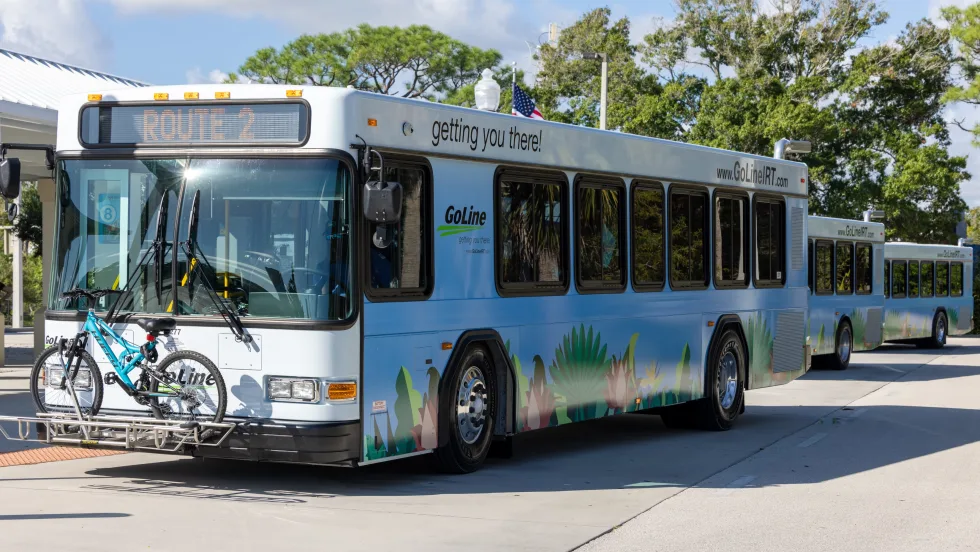
Indian River Transit’s Community-Focused Approach Earns National Recognition
Named APTA’s 2026 Outstanding Public Transportation System in its size category, Florida’s Indian River County transit system continues to grow ridership through fare-free service and a focus on evolving community needs.
Read More →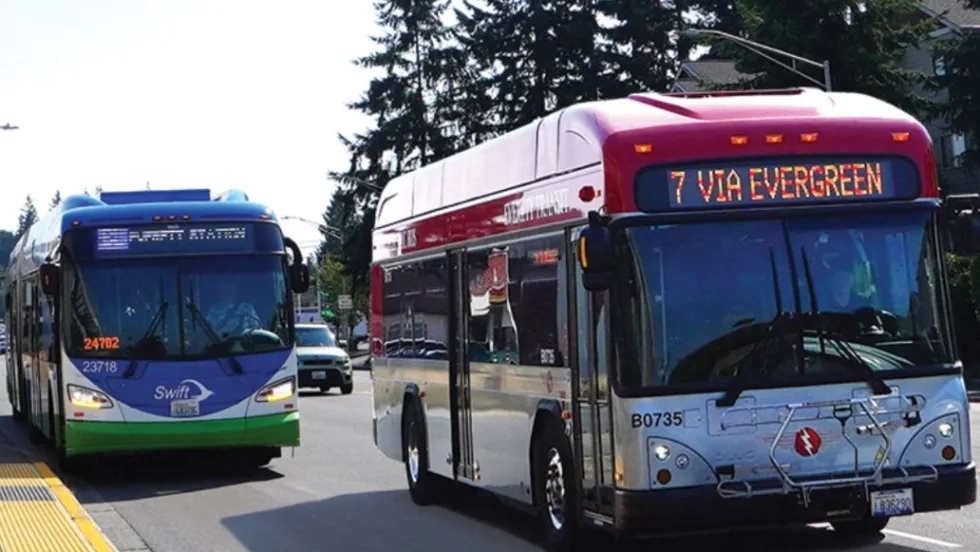
Everett Transit, Community Transit Outline Consolidation Agreement
The proposed agreement calls for a 50% increase in bus service in Everett, a new microtransit zone, continued paratransit service, and the transfer of Everett Transit operations to Community Transit.
Read More →
Driving Smarter Paratransit
John Hanlon shares how AlphaRoute is leveraging AI-powered technology to help paratransit providers optimize operations, support frontline staff, and enhance the rider experience.
Read More →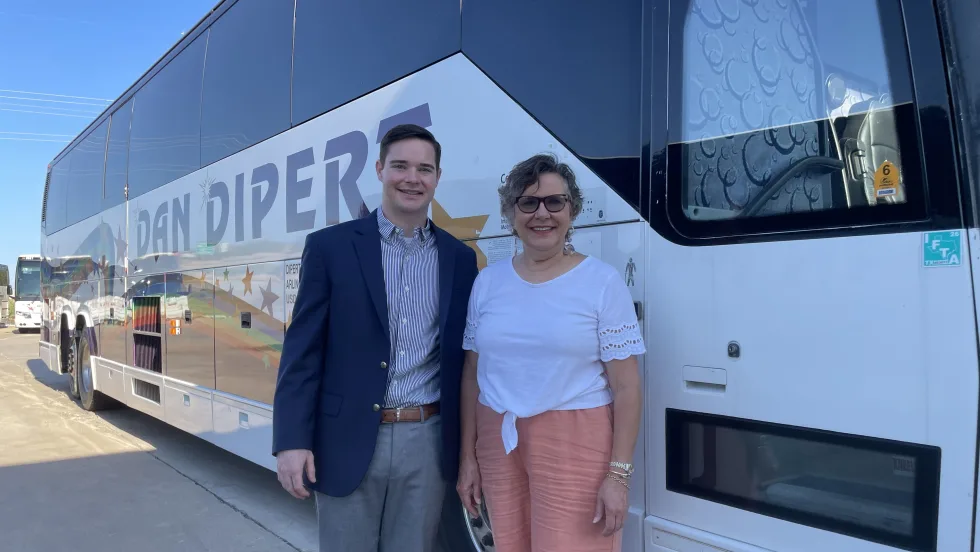
People Movement: Dan Dipert Coaches Adds Third-Generation Leader, Keolis Names New Valley Metro VP/GM, and More
In this edition, we also cover recent appointments and announcements at the Wabtec, SilverRide, HNTB, and more, showcasing the individuals helping to shape the future of transportation.
Read More →
Biz Briefs: RIPTA Unveils New Frontrunners, Clevland RTA Adds New Siemens, and More
In METRO's latest installment, we take a look at recent news from Siemens, Prevost, Dodge, and more partnerships making headlines across the transportation sector.
Read More →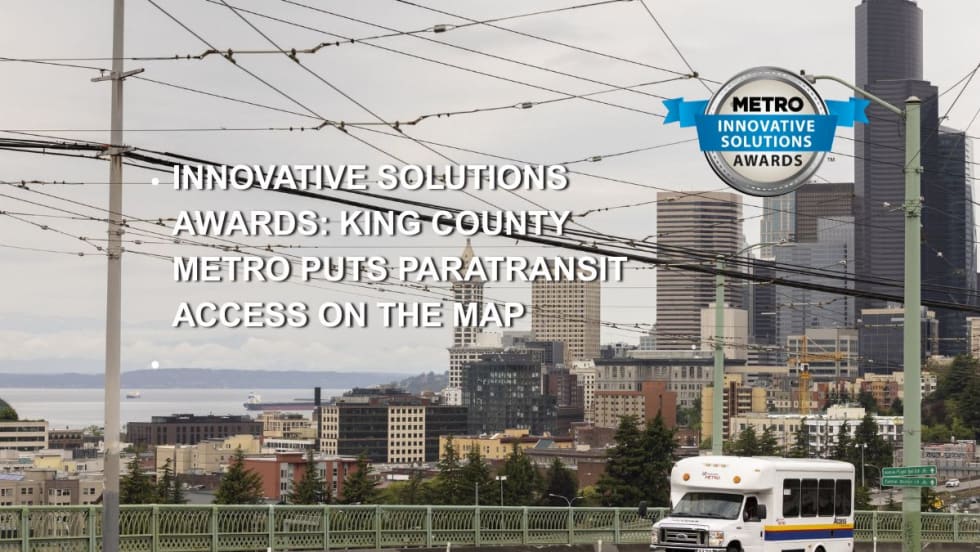
King County Metro Makes ADA Paratransit Easier to Navigate
METRO's Innovative Solutions Award winner replaces complex service-area descriptions with an accessible, interactive map that puts paratransit information directly in customers’ hands.
Read More →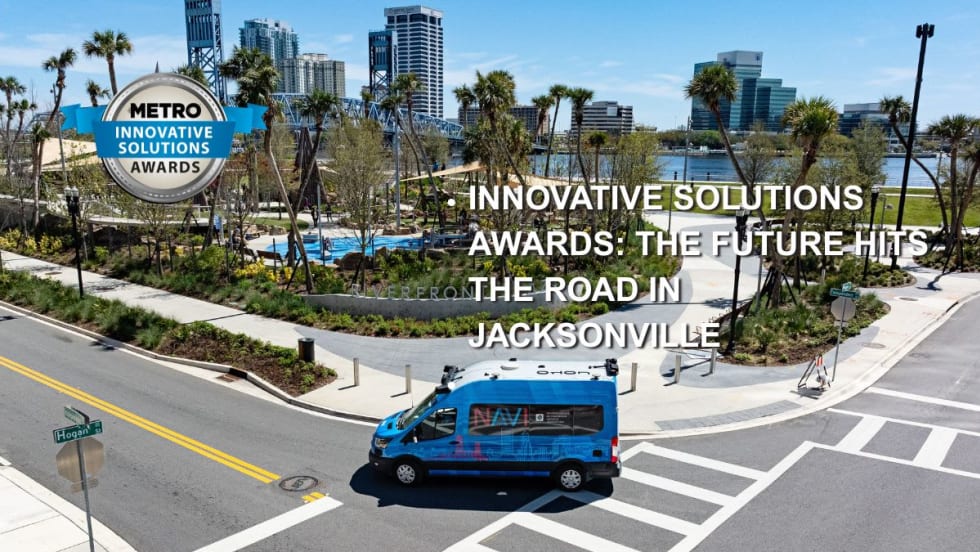
Jacksonville’s NAVI Project Charts a New Course for Autonomous Public Transportation
Through its NAVI program, JTA is showing how autonomous vehicles, intelligent infrastructure, and coordinated operations can work together to deliver everyday public transportation.
Read More →
Driving Smarter Paratransit
John Hanlon shares how AlphaRoute is leveraging AI-powered technology to help paratransit providers optimize operations, support frontline staff, and enhance the rider experience.
Read More →