



The Benefits and Pitfalls of Serving Multiple Missions
GM James Blue discusses issues agencies face when trying to serve ridership with "quality" services.
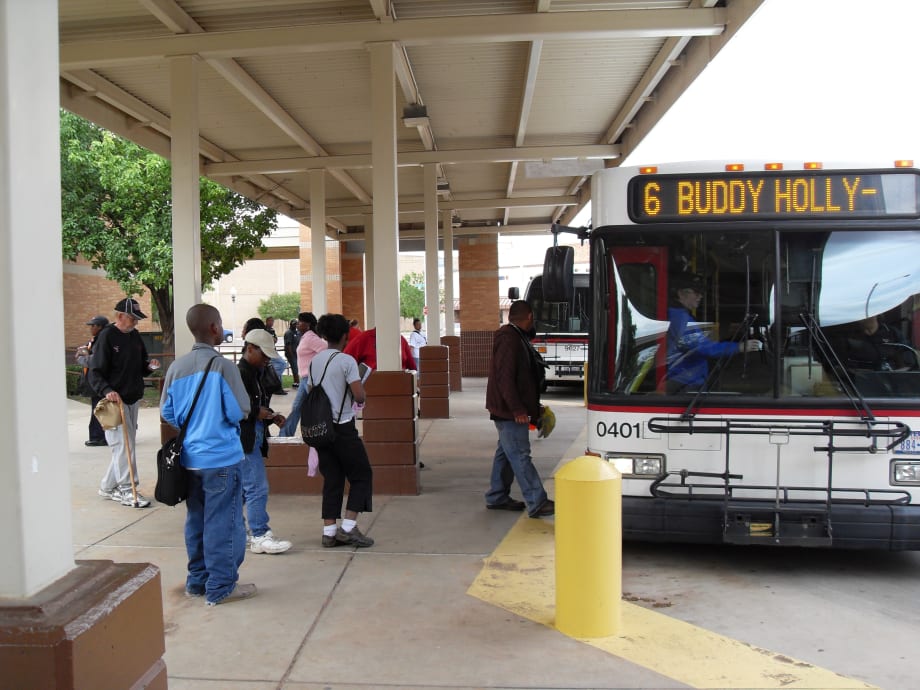
A related mission is service to the community through economic development and as a “ladder of opportunity.”
McDonald Transit
A related mission is service to the community through economic development and as a “ladder of opportunity.”
McDonald Transit
Most public transportation professionals would agree that the primary mission of public transportation is to deliver quality bus and rail service, which usually means in a safe, efficient, and convenient manner. However, “quality” might also mean something different depending on others in the audience. As a result, what seems to be the singular mission for the industry is, in fact, multiple missions. That very difference has both pitfalls and pluses for the industry.
Some define quality as latest tech
Some bus operating agencies believe that they must deliver service that uses the most advanced technology; such a goal comprises their definition of service quality. Lately, this has included the cleanest, most high-tech propulsion systems on their vehicles, but it could also include such advanced systems as guidance for precision docking or platooning buses close together for more flexible capacity service, or advanced design features and doors on both sides of the vehicle that emulate rail vehicles.
A related mission is service to the community through economic development and as a “ladder of opportunity.” Some aspects of the economic mission involves creating jobs through Buy America and contract requirements, and better transit access to existing jobs. Lately, it sometimes means that development is stimulated around bus and rail stations in a network or that procurements ensure dollars remain locally spent through procurement terms and conditions in contracts. The door to this latter option was opened in the last authorization legislation and in Obama-era policy guidance. Some in the industry and Congress want to see these small experimental steps become permanent policy.
Agencies must sometimes choose among conflicts
Such multiple aspects of the transit mission can create broad support among a variety of stakeholders. Yet, these aspects of the quality mission can also result in outcomes that conflict with or undermine the other goals. The most obvious examples are when immature cutting-edge technology is unreliable. Some of these goals can mean higher prices, and thus, fewer buses, cars, and systems can be procured, thereby undermining aspects of the “ladders of opportunity” part of the mission.
Define quality service: These three simple words mean that each agency must carefully, deliberately choose their meaning wisely, in a way that fits their communities best. And each agency also has its definition of “communities” — which is a page for another day.
More Management

METRO Opens Submissions for 2026 Motorcoach Awards
Nominations are now being accepted for METRO Magazine’s Operator of the Year and Innovative Operator of the Year awards.
Read More →
New York MTA Advances Final Contract for Second Avenue Subway Expansion
Contract Four is the largest in the Second Avenue Subway Phase 2 project and includes construction of station infrastructure, tracks, and signals for the subway expansion, MTA officials said. Work on Contract Four will begin in 2027.
Read More →
Transit Agencies Highlight Safety Gains at National Summit
Leaders from 15 major transit systems shared crime-reduction results and safety initiatives while discussing the role of continued federal support.
Read More →

NITA Names New Leadership, Expands Reduced-Fare Program at First Board Meeting
The new regional transit authority appointed its first board chair and interim executive director while extending reduced fares across CTA, Metra, and Pace for eligible riders.
Read More →
Beyond the Checklist: A Structured Approach to Transit Maintenance
Reliability-Centered Maintenance helps transit agencies move beyond routine checklists to focus limited resources on the assets and failures that have the greatest impact on safety, reliability, and service.
Read More →
APTA 2026 Nominating Committee Selects Leadership Slate, Names Chair and Vice Chair Nominees
Leadership changes will help shape the association’s priorities and its representation of the transportation industry during the 2026–2027 term.
Read More →
DART Launches Major Security, Fare Enforcement Initiative
The 90-day demonstration will deploy coordinated security teams at five light rail stations while testing controlled access and gathering data to guide future investments.
Read More →
Advancing Fare Collection Through Technology and Innovation
Learn about delivering 1300 gates at 91 stations while managing fare evasion. Explore the large scale deployment, solution customization and real-world results that affect the region. Prepare for deployment in your region now.
Read More →
Game Day in Motion: Moving Millions During the 2026 World Cup
Between packed transit stations and team motorcoaches, see how agencies and operators across North America tackled the transportation demands of the 2026 FIFA World Cup.
Read More →
Surface Transportation Extension Averts Shutdown, Leaves Transit Funding Gap
The stopgap keeps federal transportation programs moving, but missing advance funding could complicate the transit and rail projects agencies are planning next.
Read More →