



TIGER grants show preview of Obama's transportation vision
Many believe that the president will put a 'TIGER-like' program in his surface transportation authorization proposal. Given the urgent need for investment out there, his proposal will come not a second too soon.
Just before this issue went to press, the Obama administration announced the winners of the Transportation Investments to Generate Economic Recovery (TIGER) grants - a $1.5 billion program in the American Reinvestment and Recovery Act, the $800 billion stimulus bill passed in the spring of last year. Most of them emphasized projects to enhance both freight and passenger mobility in metropolitan regions and represented, in large part, projects that fall through the cracks of existing federal programs. Many people believe this type of thinking will eventually be in the administration's authorization proposal when it finally gets around to it.
Need to invest in cities
Writing on The New Republic's Avenue blog, Rob Puentes, a policy analyst with the Brookings Institution, commented that nearly three quarters (70 percent) of the TIGER funding went to the nation's top 100 metropolitan areas, which answers some of the criticisms leveled at the original stimulus bill. The United States Conference of Mayors, for example, complained that even though cities generate three-quarters of U.S. economic activity, they were getting the short end of the stick because most of the money went to the states, which then skewed the money disproportionately to rural areas. Part of that, of course, is because of the way current programs are structured. The way the Senate is organized, it gives more power to less populated areas than the House of Representatives does, which makes final legislation focused more on smaller towns and less on cities.
The TIGER awards were made on the basis of four basic factors: long-term impact, which included a variety of sub-factors ranging from economic competitiveness with other nations to long-term state of good repair; job creation and economic development impact; the innovation used or promoted in the project; and the partnerships that would be strengthened or created among agencies or levels of government or across county, city and state lines. As a result, projects like ending bottlenecks in freight railroad networks, improving efficiency and capacity of U.S. ports, and streetcar projects that also stimulated development in inner cities, fared pretty well in the competition.
Huge investment need documented
I use the word "competition" on purpose. According to the U.S. Department of Transportation, more than 1,400 applications from all 50 states, territories and the District of Columbia were submitted. If all were funded, the total would be almost $60 billion worth of projects - 40 times the amount available.
This huge interest is another reason why many believe that the president will put a "TIGER-like" program in his surface transportation authorization proposal. Given the urgent need for investment out there, his proposal will come not a second too soon.
More Bus
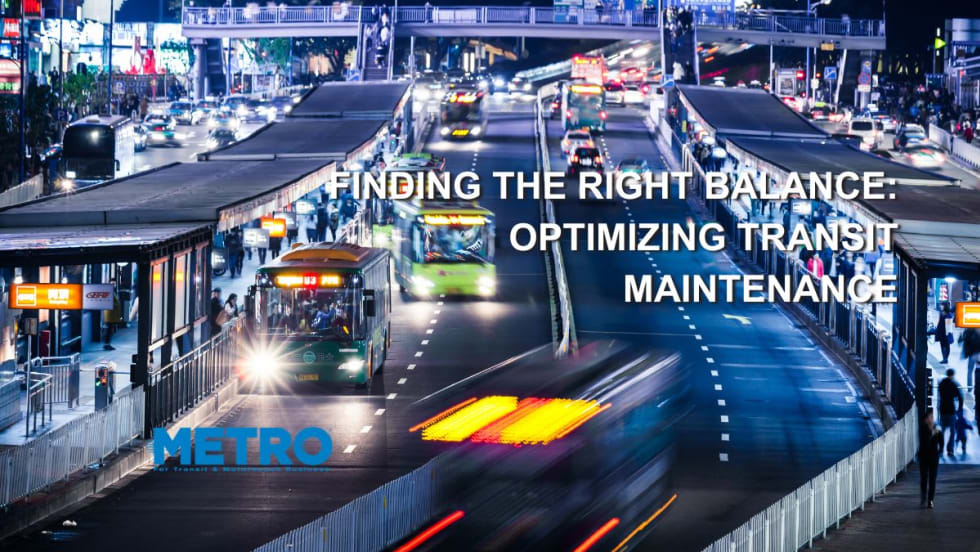
Finding the ‘Happy Medium’: Optimizing Maintenance Without Sacrificing Reliability
The key to maintenance optimization isn’t doing less work—it’s doing the right work at the right time on the right assets.
Read More →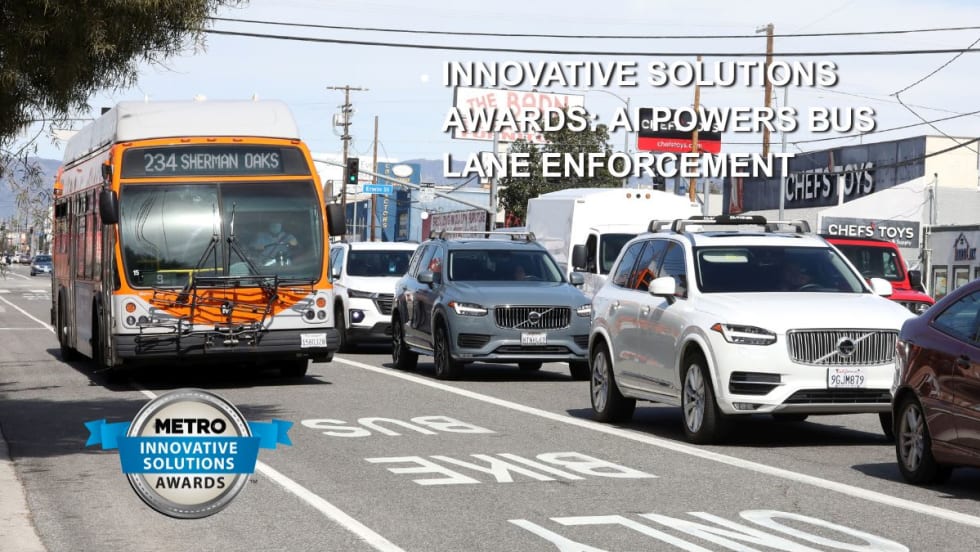
LA Metro, City of West Hollywood, and Partners Advance Smarter Bus Lane Enforcement
The award-winning partnership combines AI-powered detection with human oversight to improve bus reliability, accessibility, and enforcement efficiency.
Read More →
PSTA Modernizes Workforce Management with Digital Bidding System
The award-winning Workforce Transit Modernization project replaced paper bidding with a transparent digital platform, cutting administrative effort while improving access for operators.
Read More →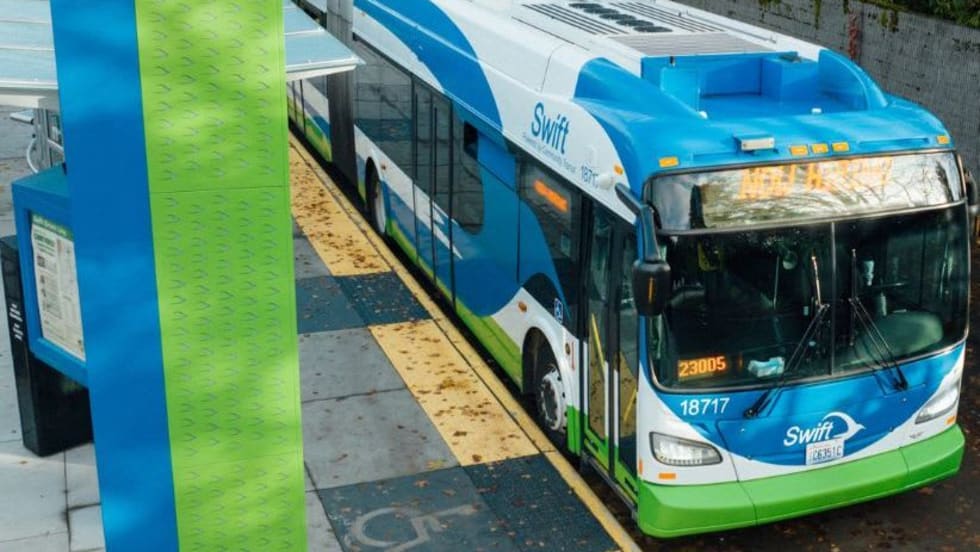
Washington's Community Transit Sets Six-Year Roadmap for Growth, Expansion
Approved TDP targets more bus service, new mobility options, Swift BRT expansion, and a potential Everett Transit annexation.
Read More →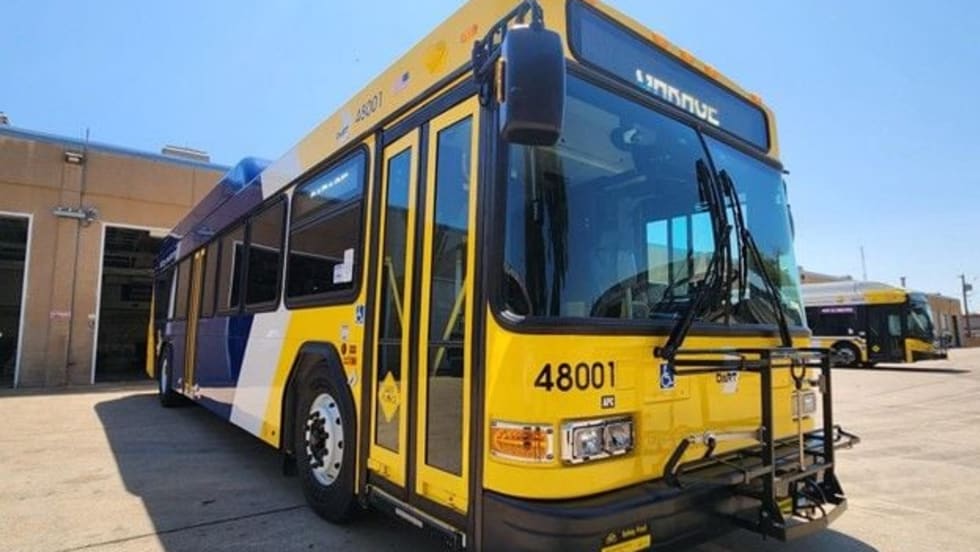
DART Customer Satisfaction Reaches Six-Year High
Overall satisfaction rose to 74.9%, while the agency’s Net Promoter Score reached a record 33.7.
Read More →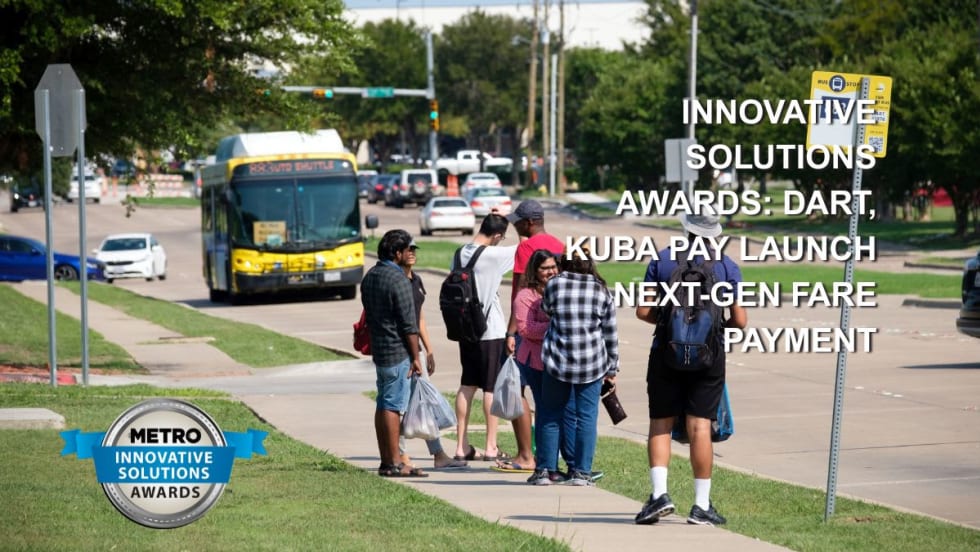
How DART's GoPass Is Redefining Regional Mobility
Serving 14 transit agencies, GoPass simplifies multimodal travel by allowing riders to plan, pay for, and manage an entire trip through one app.
Read More →
Biz Briefs: OCTA Taps Clean Energy for Hydrogen Station, Stadler to Supply Via Rail Vehicles, and More
From manufacturers and suppliers to transit agencies and motorcoach operators, these updates offer a snapshot of the projects, partnerships and business moves driving the industry forward.
Read More →
METRO Magazine Announces 2026 Innovative Solutions Awards Winners
Projects Recognized for Advancing Mobility Through Technology, Accessibility, Workforce Innovation, and Operational Excellence
Read More →
Biz Briefs: STV teams with Amtrak, Motorcoach Operators Boost Fleet and Land Contracts, and More
From manufacturers and suppliers to transit agencies and motorcoach operators, these updates offer a snapshot of the projects, partnerships and business moves driving the industry forward.
Read More →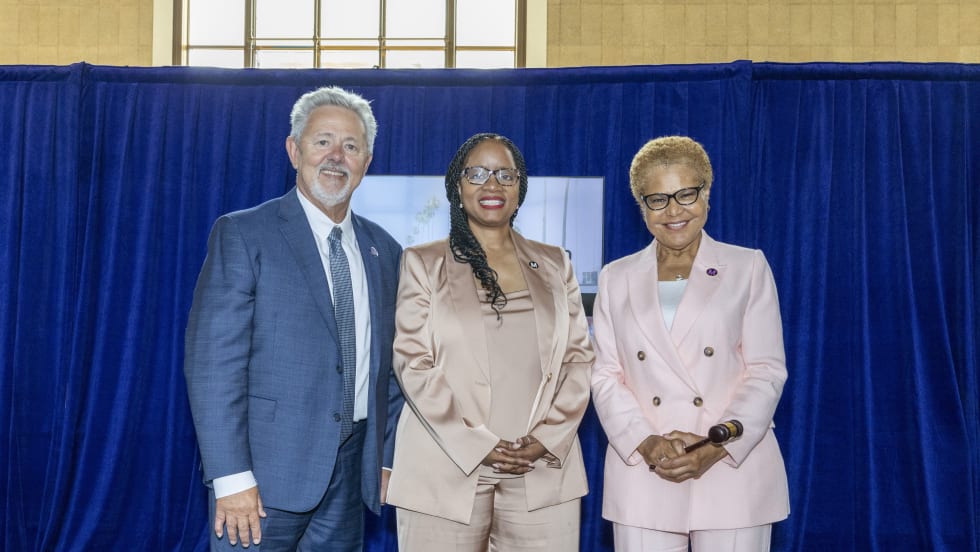
LA Metro Marks Banner Year, Sets Ambitious Goals for New Fiscal Year
Incoming LA Metro Board Chair and Los Angeles Mayor Karen Bass joined outgoing Board Chair Fernando Dutra and LA Metro CEO Stephanie Wiggins to review accomplishments from fiscal year 2026, which included the opening of new rail extensions, advancement of major transit projects, expanded safety programs, and new rider amenities.
Read More →