



Train derailments on the rise
The number of train derailments—like the recent Amtrak accident in Iowa that killed one person and injured 96 others—increased by about 20% over the past four years.

The number of train derailments—like the recent Amtrak accident in Iowa that killed one person and injured 96 others—increased by about 20% over the past four years. During the same four years, deaths from train accidents dropped 41% from 17 to 10. Both the Federal Railroad Administration (FRA) and the U.S. Department of Transportation’s inspector general found poorly maintained track and inadequate inspections by the railroads could be part of the reason for the increase in derailments. In the past two years, Amtrak alone has suffered six major accidents, including the March 1999 derailment in Bourbonnais, Ill., that killed 11 and injured 100 and an accident with a freight train in February 2001 in Syracuse, N.Y., that injured about 60 people. The number of derailments on all tracks and rail yards rose from 1,741 in 1997 to 2,059 in 2000, an increase of 18%. The number of railroad industry inspectors was reduced in recent years, and the federal and state governments have 550 people making sure 230,000 miles of track are being checked. The FRA has focused its efforts on heavily used tracks and rail yards as well as those tracks carrying passengers and hazardous materials. On those tracks, accidents are down, said George Gavalla, the FRA’s associate administrator for safety. Many of the derailments happen in yards when crews assemble train cars or on lightly used track. The derailments usually occur at speeds of around 5 mph, according to the Association of American Railroads (AAR), and the majority do not occur on the main routes traveled by Amtrak and other major railroads. “The rail system is extremely safe,” Tom White, a spokesman for the AAR told the Associated Press. “There aren’t any widespread track defects. There certainly is no indication of any safety problem out there.” Nearly three years ago, Amtrak and other passenger and freight railroads were given $3.5 billion at low interest rates to borrow from the federal government to fix tracks and equipment. The money has gone unused though the government expects to make loans later this year. Railroads can borrow the money for 25 years at a low interest rate. Amtrak’s derailment in Iowa in March occurred in an area where a rail defect was detected and patched, according to the National Transportation Safety Board. The section of track was supposed to be inspected for defects the day after the accident occurred. The derailment involved two engines and 11 cars of the train. It destroyed more than 1,600 feet of track and caused about $250,000 in track damage. This latest Amtrak accident comes at a time when the company is under fire for not yet making headway toward becoming financially independent. The 1997 Amtrak Reform and Accountability Act gave the railway until 2003 to end its 30-year reliance on federal operating subsidies. Amtrak has used nearly $24 billion in subsidies since its creation in 1971. The Amtrak Reform Council said that Amtrak can only become profitable by focusing exclusively on commercially viable train service. In a recent report, the council proposed dividing Amtrak’s responsibilities.
More Rail
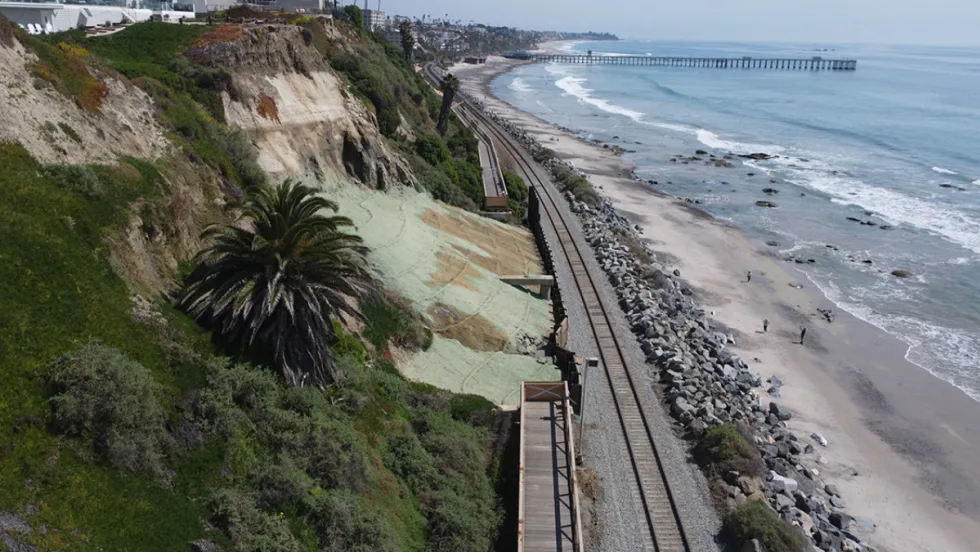
OCTA Declares Emergency to Protect Rail Corridor From Coastal Erosion
The California agency is accelerating shoreline protection and plans to place approximately 690,000 cubic yards of sand along the San Clemente coast to protect a key passenger and freight rail link.
Read More →
More Than a Summer Job: Building the Next Generation of Transit Talent
The Delaware River Port Authority and PATCO have transformed their internship program into a hands-on professional development experience that introduces students to the breadth of transportation careers — and creates a pipeline for future employees.
Read More →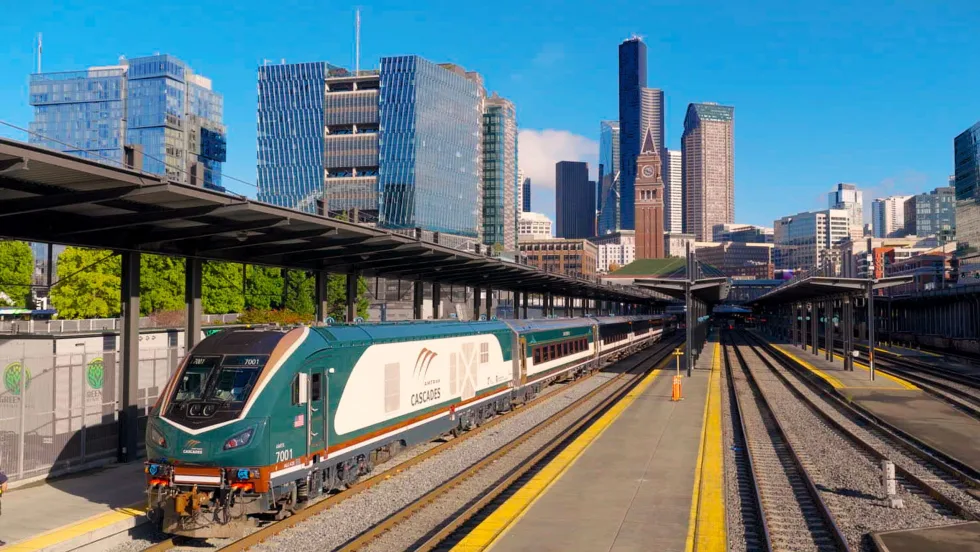
Airo Trains Make Their Amtrak Cascades Debut in the Pacific Northwest
Effective immediately, two cutting-edge Airo trainsets will join the Amtrak Cascades route, operating four daily trips between Vancouver, B.C., Seattle, Portland, and Eugene, Oregon, marking the first introduction of Airo trains into passenger service anywhere in the country.
Read More →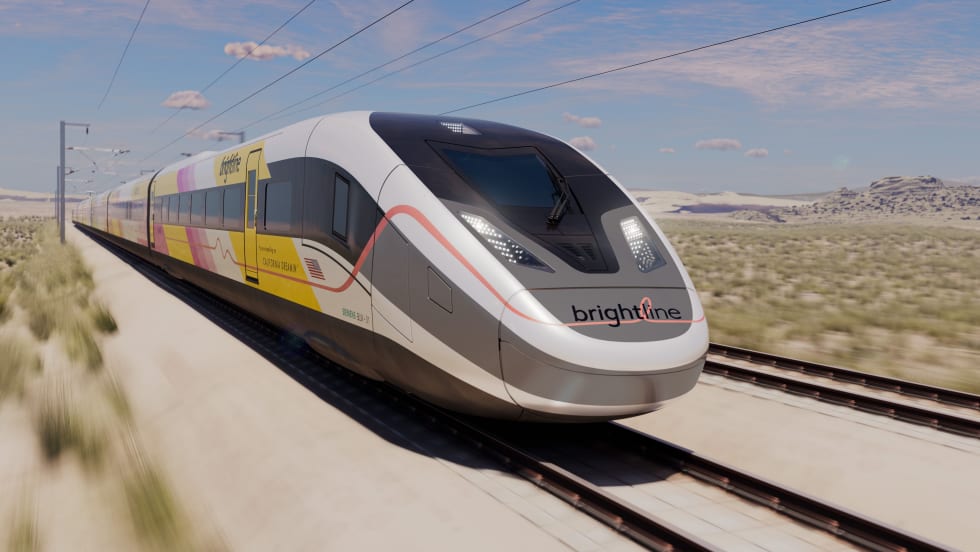
Florida's Brightline Announces Financial Restructuring
Brightline Florida says train operations will continue as normal as certain parent entities enter Chapter 11 and financial stakeholders provide $490 million in new long-term capital.
Read More →
ENC Lands MATA Contract and More in Biz Briefs
In this edition of Biz Briefs, we spotlight the latest developments shaping the future of mobility.
Read More →
Strada360’s Steve Lassey on Turning Transit Data Into Better Decisions
From breaking down data silos to preparing for AI, Strada360 CEO Steve Lassey discusses how transit agencies can use technology to improve operations, customer information, and long-term decision-making.
Read More →
SEPTA Details Accelerate Vision for Transit System
The plan outlines investments in trolley modernization, new Metro and Regional Rail vehicles, accessible stations, and more frequent bus and rail service.
Read More →
FTA Ends Direct Oversight of MBTA Safety Actions
The federal agency closed its remaining special directive to the Massachusetts Department of Public Utilities following a safety review that began in 2022.
Read More →
Amtrak, CN Reach Agreements to Strengthen Passenger Rail Service, Safety
The agreement resolves a more than decade-long proceeding before the Surface Transportation Board concerning the terms and conditions for Amtrak services, such as the City of New Orleans, Illini/Saluki, and Wolverine.
Read More →
New York MTA Advances Final Contract for Second Avenue Subway Expansion
Contract Four is the largest in the Second Avenue Subway Phase 2 project and includes construction of station infrastructure, tracks, and signals for the subway expansion, MTA officials said. Work on Contract Four will begin in 2027.
Read More →