



Transit agency avoids tripping over school service
Under FTA rules, transit agencies cannot engage in bus operations that are exclusively for the transportation of students and thereby compete with school bus contractors.

Before September 2002, Foothill Transit in West Covina, Calif., was caught in what Public Information Officer Tom Mullen calls a “gray area” regarding Federal Transit Administration (FTA) regulations. The agency found itself providing a tripper service for five local schools – essentially running buses just for students. “Nobody around here really knows how we got involved with this,” Mullen said. “It’s something that we just kind of inherited.” But Foothill did know that it wanted out of the predicament. Schools would often call the day before an early release and ask if the buses could change their schedules accordingly. “Then we’re faced with the choice of either running the buses as published – as we’re required to – and run empty buses, or we make this change,” Mullen said. “Because, realistically, no one is riding the lines anyway except for these school kids.” Under FTA rules, transit agencies cannot engage in bus operations that are exclusively for the transportation of students and thereby compete with school bus contractors. But when Foothill would have to alter its posted schedules without a chance to put out a flyer, it was too clear that the schools were getting special treatment. At the time of a major service increase last September, Foothill pinpointed its escape from the borderline service. The agency plotted four new lines that would continue serving the schools while including the surrounding area. The school routes became parts of larger lines that other members of the public could take advantage of. Additionally, Foothill made it clear that these schedules were etched in stone, and there would be no last minute adjustments. Though the new policy fit Foothill’s needs, Mullen said the agency worried about how the schools would react. As it turned out, they were generally appreciative to still be included in the service. “All of us were pleasantly surprised by their reaction,” Mullen said. “Pretty much every person I talked to from the schools understood why we needed to make the change.” Steve Boyd, assistant principal at El Roble Intermediate School in Claremont, says the service adjustment has worked out well for his students. “If we have an early release, the kids need to find another route home – which they can do,” he said. “There are three different Foothill routes that are within three blocks of us.” With school budgets across the country in a state of deterioration and pupil transportation often among the first things to be cut, Mullen said that more and more transit agencies will face a situation similar to Foothill’s. “Public transit needs to be prepared for those kinds of demands and work schools into their regular schedules rather than get into a bad situation that’s hard to get out of,” he said.
More Management
People Movement: Connectpoint Expands Leadership Team, Stadler Names New Group CEO, and More
In this edition, we also spotlight recent personnel moves at Burns, UZURV, and more, highlighting the people taking on new roles across the transportation industry.
Read More →
More Than a Summer Job: Building the Next Generation of Transit Talent
The Delaware River Port Authority and PATCO have transformed their internship program into a hands-on professional development experience that introduces students to the breadth of transportation careers — and creates a pipeline for future employees.
Read More →
LA Metro Board Awards 220 Battery-Electric Bus Contract to ENC
The contract, which is the largest base award of battery-electric buses by a U.S. transit agency, will be built in Southern California, sustaining good jobs as LA prepares to welcome the world in 2028
Read More →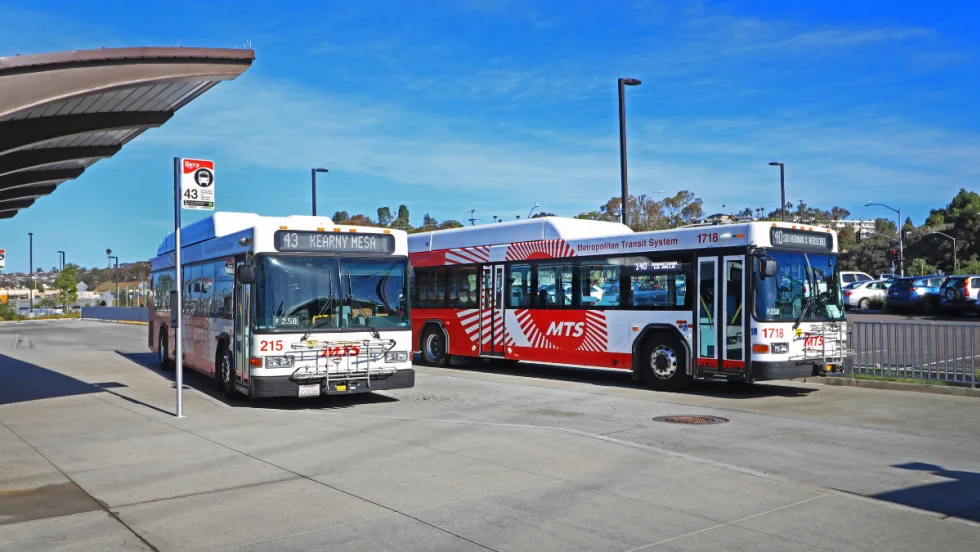
What’s Behind San Diego MTS’s Award-Winning Transit Strategy
Named one of APTA’s 2026 Outstanding Public Transportation Systems with 50 million or more annual passenger trips, California’s San Diego Metropolitan Transit System points to gains in ridership, safety, technology, and reliability as foundations of its success.
Read More →
Public Transit Conference Returning to GFX in 2027, Call for Papers Now Open
The Call for Papers is now open, allowing transit agency professionals and industry experts to help shape the PTC educational program by submitting session ideas for consideration.
Read More →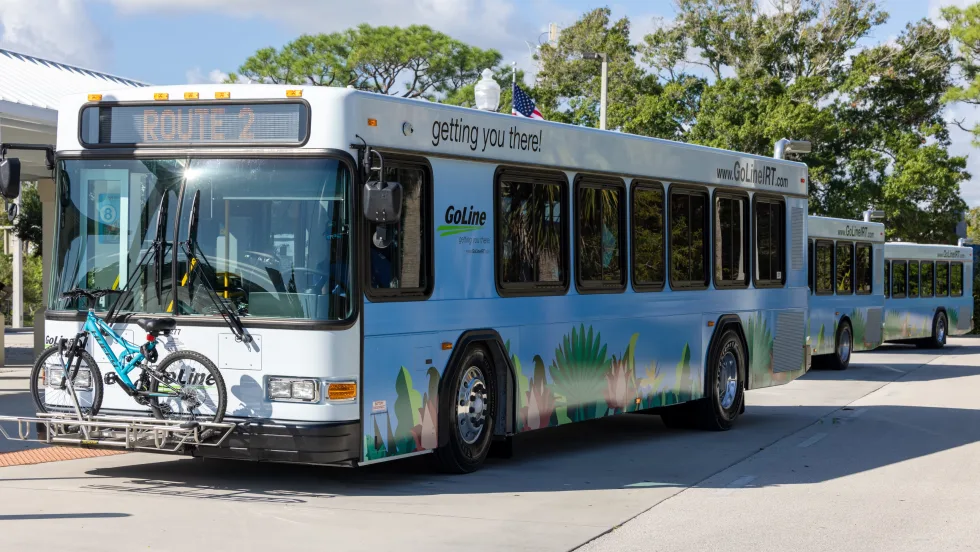
Indian River Transit’s Community-Focused Approach Earns National Recognition
Named APTA’s 2026 Outstanding Public Transportation System in its size category, Florida’s Indian River County transit system continues to grow ridership through fare-free service and a focus on evolving community needs.
Read More →
ENC Lands MATA Contract and More in Biz Briefs
In this edition of Biz Briefs, we spotlight the latest developments shaping the future of mobility.
Read More →
From Surviving to Thriving: Building Stronger Transportation Organizations
Bus Business Consultants founder Brian Dickson shares lessons on leadership, organizational health, and creating options for long-term success in a changing transportation industry.
Read More →
Everett Transit, Community Transit Outline Consolidation Agreement
The proposed agreement calls for a 50% increase in bus service in Everett, a new microtransit zone, continued paratransit service, and the transfer of Everett Transit operations to Community Transit.
Read More →
Strada360’s Steve Lassey on Turning Transit Data Into Better Decisions
From breaking down data silos to preparing for AI, Strada360 CEO Steve Lassey discusses how transit agencies can use technology to improve operations, customer information, and long-term decision-making.
Read More →