



Translink's new security approach includes armed officers
The Greater Vancouver Transportation Authority has revamped its effortst to fighting crime in its transit system.

The Greater Vancouver (British Columbia) Transportation Authority’s (Translink) police force will soon be serving the public in a more expanded capacity. The provincial Ministry of Public Safety and Solicitor General recently announced that transit police officers for Translink will be issued firearms later this year. According to Tri-City News, the agency is arming the transit police force not only to increase its effectiveness in combating crime but also to make officers feel more secure. Police Constable Bjorn Bjornson claims that there is ample cause to arm police. “I had more physical confrontations in my first six months on transit than I did in 30 years with the Vancouver Police Department,” he said. Bob Kind, newly appointed transit police chief, said the Translink Police will now have the same policing abilities as any other law enforcement agency. Under the previous job description, Translink officers could only detain someone who had not paid a fare. If they wanted to arrest someone for theft or assault, they had to contact a higher authority, such as the Royal Canadian Mounted Police (RCMP). The 86-officer Translink unit will also be increased to 90 after new hires are put on duty. Kind says that the officers will be armed with “standard-issue Glocks, in plain sight.” Kind estimates that it will be a full three to four months before all 90 officers have completed the necessary weapons training. He said Translink is in the process of securing the training and should be getting started soon. The move to arm Translink officers comes after last year’s provincial approval of a Translink policing unit that has the power to arrest criminals on the SkyTrain system. Issuing firearms is part of an overall increase in the authority level of Translink officers. So far the public reaction has been “quite positive,” said Kind. “They see it as 90 new armed police officers.” Vancouver Police estimates that roughly 55% of its arrests occur within a 2,300-foot radius of SkyTrain stations. Coupled with programs such as Surrey’s Exodus Program, which aims to reduce crime in and around stations, the changes to Translink Police duties are welcomed by RCMP representatives. Recent changes in Translink officers’ policing abilities are a far cry from the limitations of the past. Kind said that transit officers previously were unable to stop drug deals or crime anywhere outside the transit system, even if it was right across the street from a station. The current armed patrols will cover SkyTrain stations and bus loops, and Translink plans to include entire bus routes once more officers are hired. — LANE ROBERTS
More Management
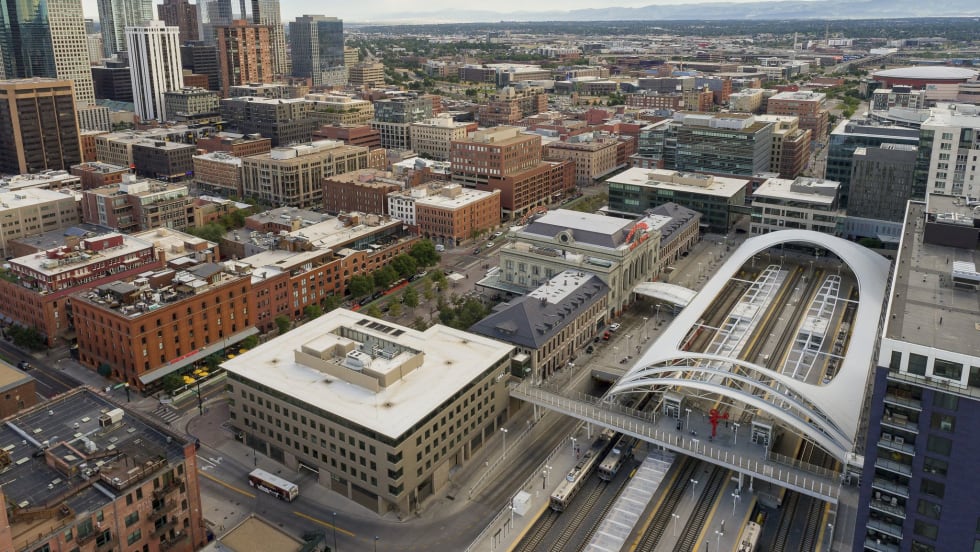
Study: Denver RTD Generates $2.1 Billion in Annual Economic Activity
An economic impact study finds the agency supports approximately 17,500 jobs, delivers $1.6 billion in annual community and mobility benefits, and generates $2.42 in economic value for every dollar invested.
Read More →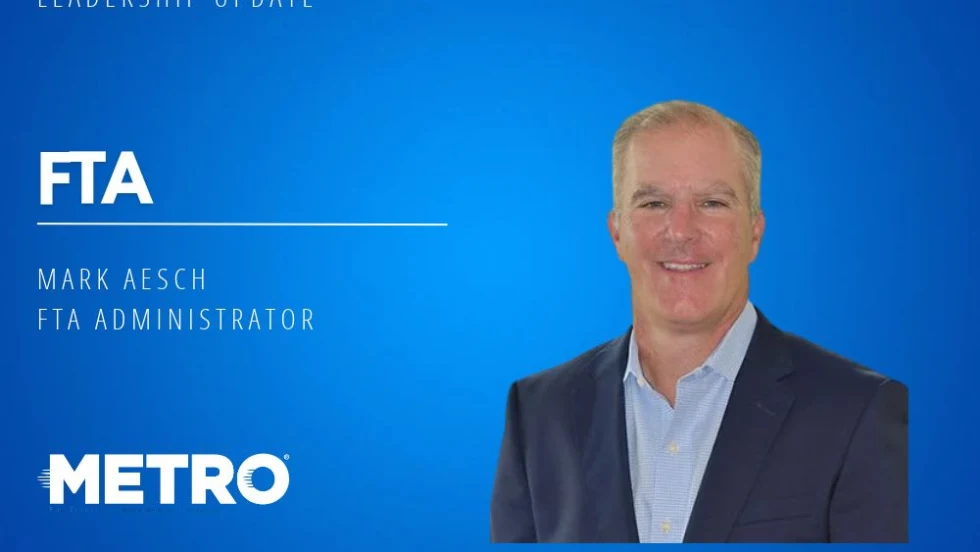
Mark Aesch Nominated to Lead Federal Transit Administration
The former Rochester transit chief and TransPro founder, who has also contributed to METRO Magazine, brings decades of industry experience and a focus on performance, accountability, and financial sustainability to the nomination.
Read More →
Best and Worst U.S. Cities for Public Transportation in 2026
A new analysis of 50 major U.S. urban areas ranks public transit systems based on accessibility, affordability, usefulness, and safety, highlighting where transit performs best and where challenges remain.
Read More →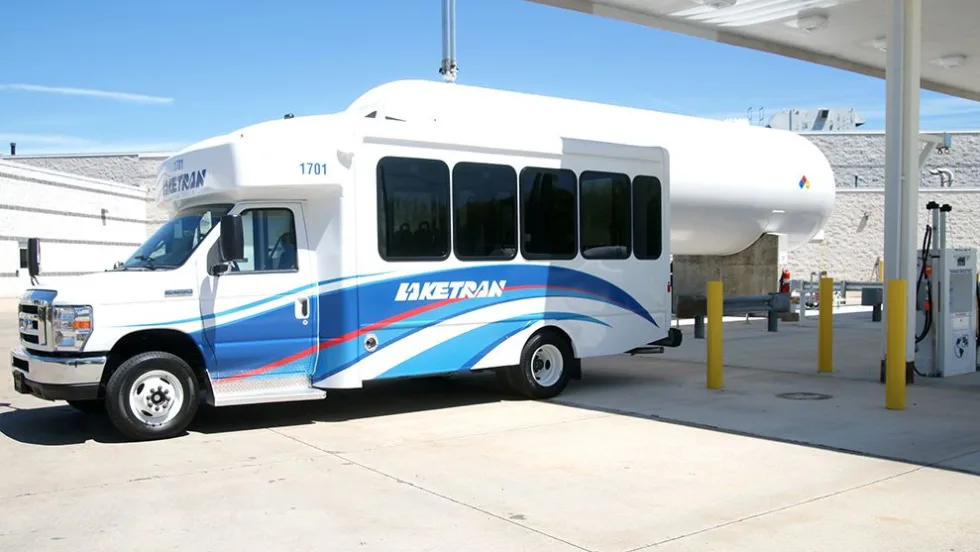
Laketran Cuts Fuel Costs, Boosts Efficiency with Propane-Powered Fleet
The Ohio transit agency is using propane-powered vehicles and on-site fueling infrastructure to cut fuel and maintenance costs while meeting growing demand for paratransit services.
Read More →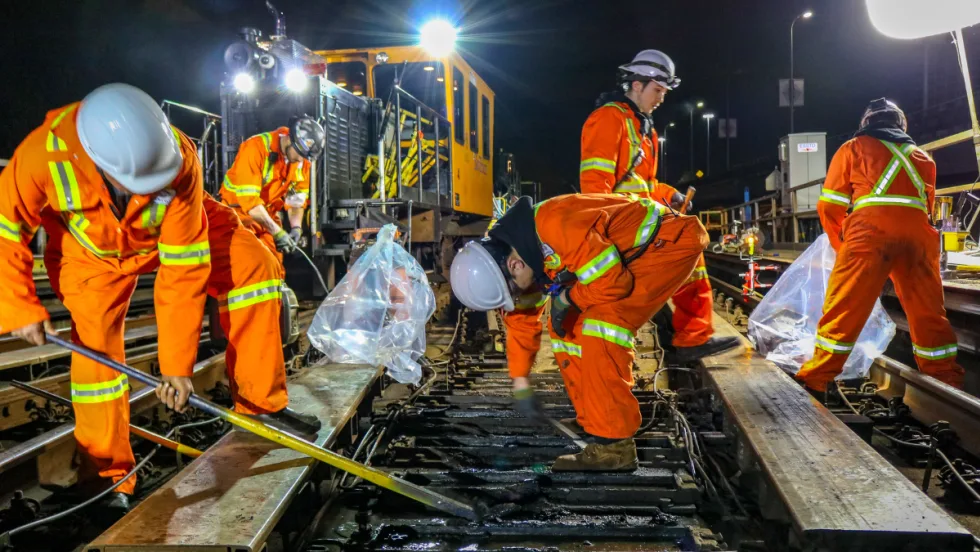
Canada’s Public Transit Supports $65.6 Billion in Annual GDP
New research from the Canadian Chamber of Commerce examines transit's economic contributions, including job creation and the financial implications of transportation investment.
Read More →
Pierce Transit Moves to Expand Fleet Following Proposition 1 Approval
The agency authorized the purchase or refurbishment of up to 60 buses to support a 47% service expansion, as voters nationwide approved billions in new transit funding.
Read More →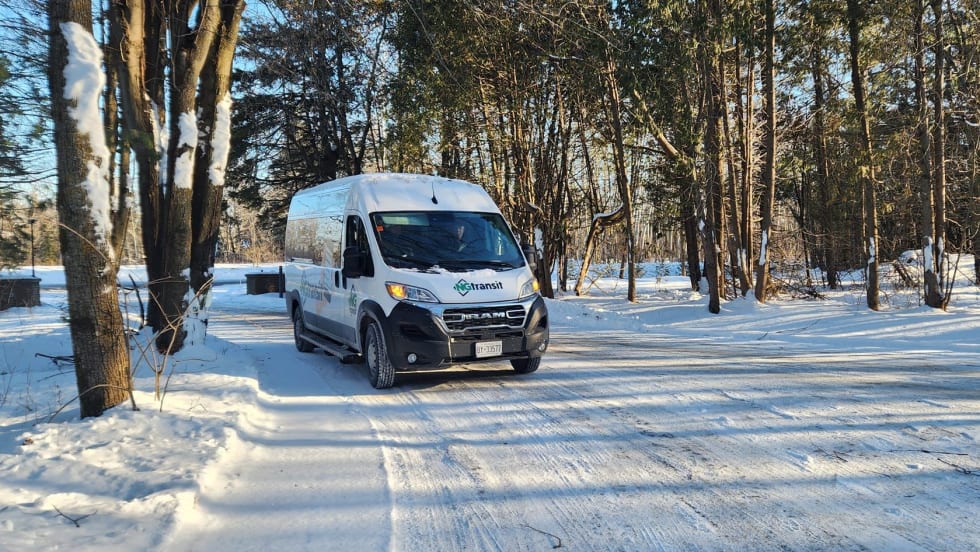
Right-Sizing Rural Transit: Lessons from North Grenville’s On-Demand Model
A small municipality shows how flexible service, rider needs, and public accountability can expand mobility with limited resources.
Read More →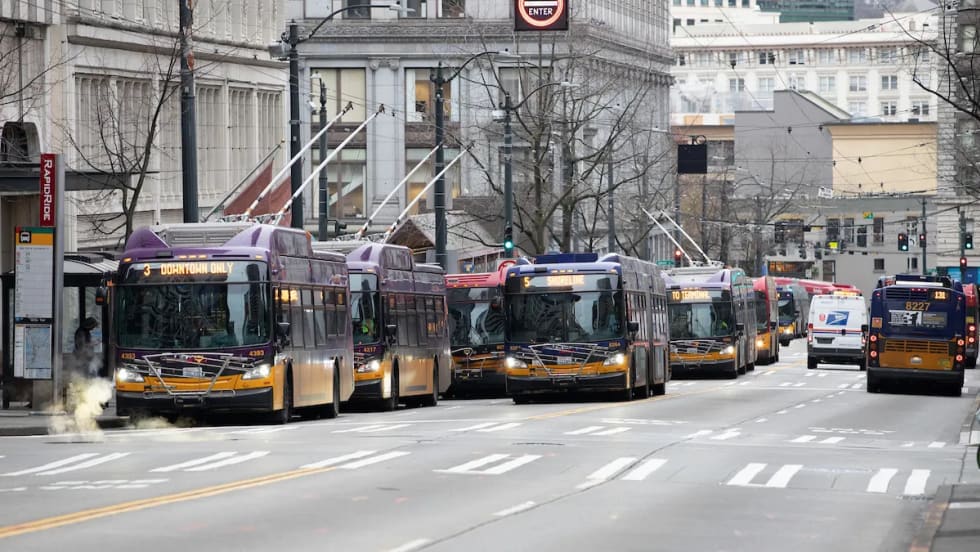
Transit Ballot Victories Signal Strong Voter Support: What Comes Next?
Voters approved billions in public transportation investments in 2026, giving agencies opportunities to preserve service, expand operations, and strengthen regional connections amid a changing political landscape.
Read More →
Transit Expands Agency Partnerships, Reaching 200 Official App Partners
COO Jake Sion discusses Transit’s growth, the success of its Transit Royale program, and how technology is helping agencies improve the rider experience.
Read More →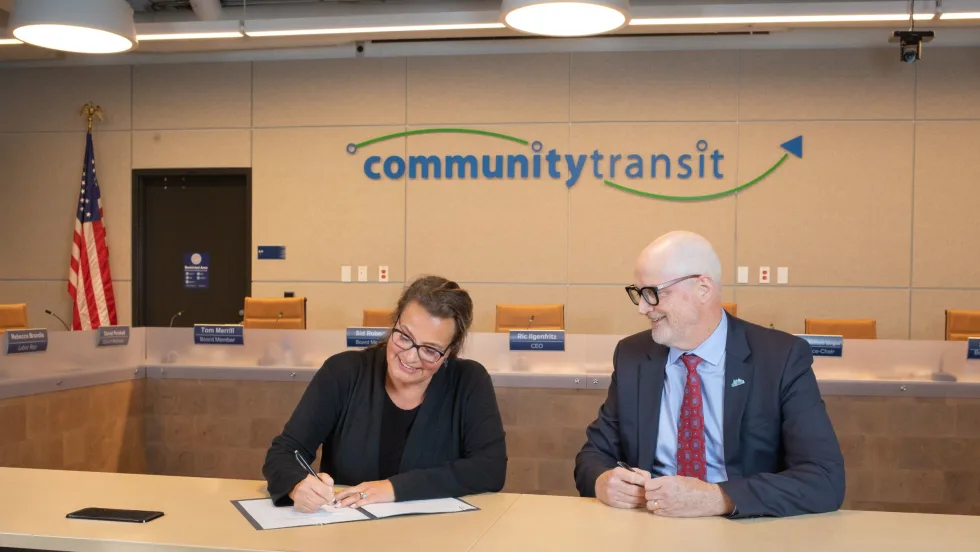
Everett Transit, Community Transit Approve Consolidation of Services
The agreement will bring Everett Transit into Community Transit’s network in April 2027, with plans to increase bus service by 50% by 2031 and expand regional connections.
Read More →