



Tunnel used as emergency training facility at WMATA
The Washington Metropolitan Area Transit Authority (WMATA) unveiled a $700,000 training tunnel designed to provide a realistic training environment for fire, police and emergency response departments from local jurisdictions.

The Washington Metropolitan Area Transit Authority (WMATA) unveiled a $700,000 training tunnel designed to provide a realistic training environment for fire, police and emergency response departments from local jurisdictions. Located in Landover, Md., the new facility is available for emergency response departments to use in mock fire and rescue exercises, disaster drills and other simulations. "The tunnel training facility is the first of its kind in the country," said Cheryl Johnson, WMATA spokeswoman. "It will provide an invaluable training environment for emergency personnel and police personnel from various departments. This facility will familiarize personnel with the tunnel environment so that in a real emergency, they will be able to quickly and safely effect rescues." The 260-foot tunnel was built above an existing rail spur in the Pennsylvania facility and houses two old Metrorail cars positioned to resemble a wreck, as well as a simulated electrified third rail, cabling and lighting identical to a real Metro tunnel. Rescuers inside the tunnel can communicate through emergency phones connected to a simulated operations control center. "For three years, we have been exploring new ways to enhance rail safety training at Metro, and the opening of this facility will help meet the needs of all emergency responders in the D.C. metropolitan area," said Fred Goodine, WMATA's assistant general manager for safety and risk protection. WMATA has spent the past year building the tunnel. While the facility was not built in response to the events of Sept. 11, according to Johnson, "those events gave a greater sense of urgency to the need to have such a training facility." "We certainly hope a situation never occurs in the underground portion of our system, however, if anything should ever occur, emergency responders will be even more prepared than ever before to handle such a situation," Goodine said. Other transit and emergency agencies nationwide will have access to the training facility. Federal Transit Administrator Jenna Dorn said transit agencies can apply for $50,000 FTA grants to cover training costs at the new facility. "Transit agencies would just contact us through our safety office and let us know when they would like to come and get training in the facility," Johnson explained. The emergency training tunnel is available 24-hours-a-day, seven-days-a-week, and offers a controlled environment for emergency response teams training.
More Rail

Chicago Leaders Unveil Plans for O’Hare Airport Express Train
The privately developed project would offer a 15-minute trip between downtown and O’Hare’s Terminal 2, with trains operating every 15 minutes on a dedicated track. The service would use battery-electric trains and three existing freight rail rights-of-way.
Read More →
OCTA Maps Out 30-Year Strategy to Protect Coastal Rail Corridor
The draft feasibility report identifies strategies to protect the coastal rail line for decades as the agency continues near-term stabilization and sand placement efforts.
Read More →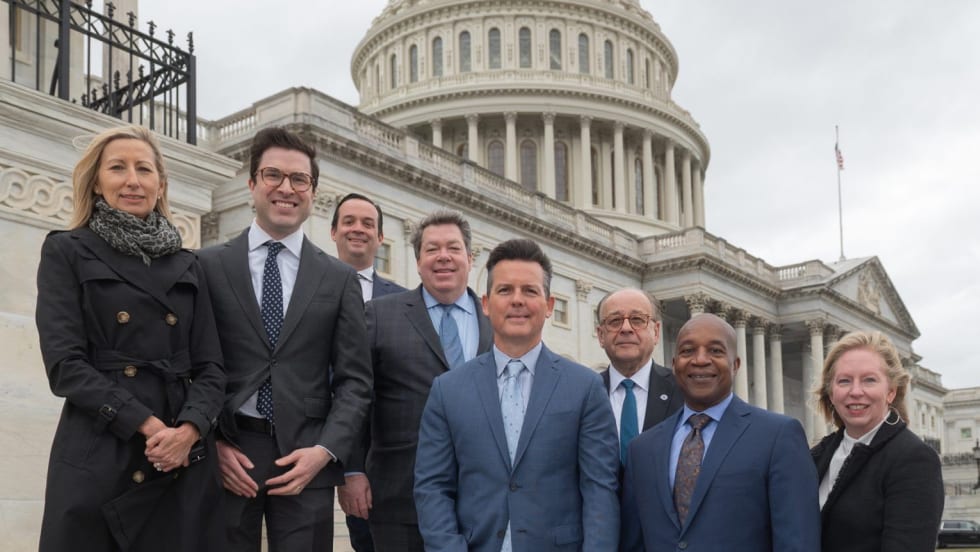
The Business Voice Behind Public Transportation
As chair of APTA’s Business Members Board of Governors, Ray Melleady explains how more than 850 business members are partnering with transit agencies to advance funding, innovation, and industry-wide collaboration.
Read More →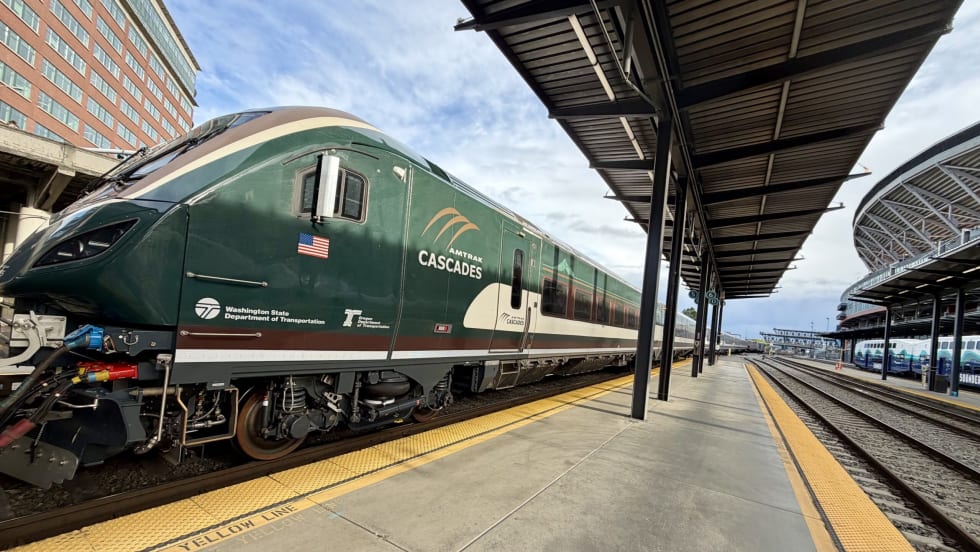
FRA Announces $5.3B in Rail Investments, Including $2B for Amtrak
Funding will support grade-crossing improvements, infrastructure upgrades, and new Amtrak equipment in 23 states.
Read More →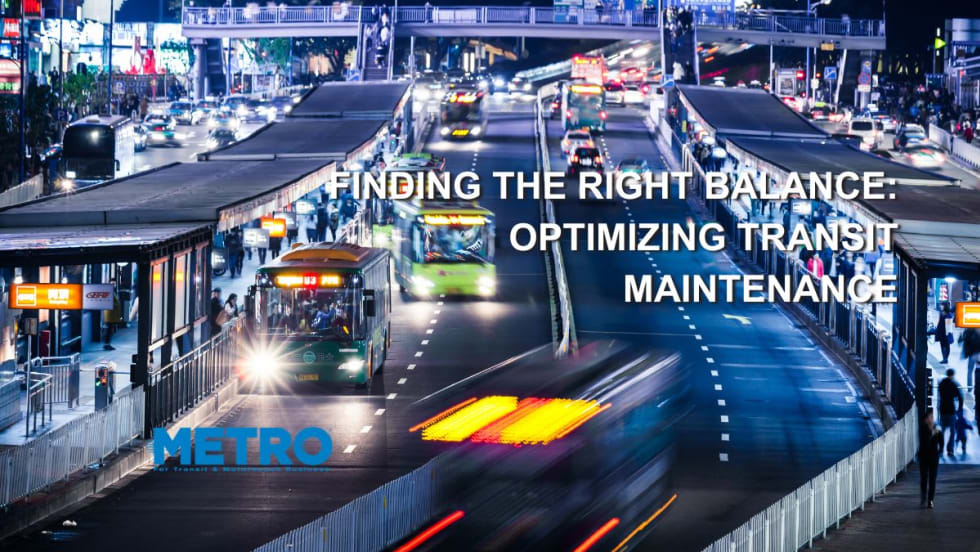
Finding the ‘Happy Medium’: Optimizing Maintenance Without Sacrificing Reliability
The key to maintenance optimization isn’t doing less work—it’s doing the right work at the right time on the right assets.
Read More →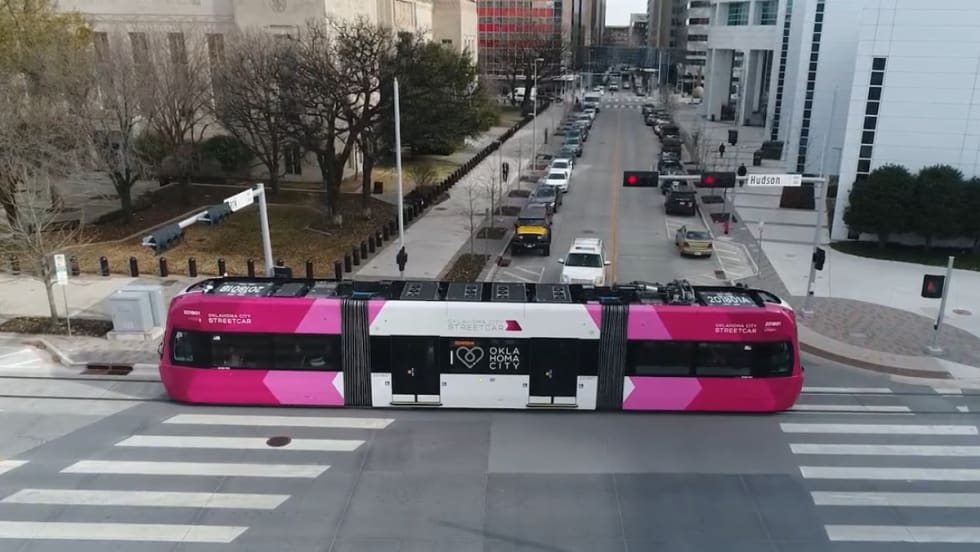
OKC Streetcar Makes Zero-Fare Service Permanent
Ridership increased an average of 71% compared with the same period a year earlier during the fare-free pilot.
Read More →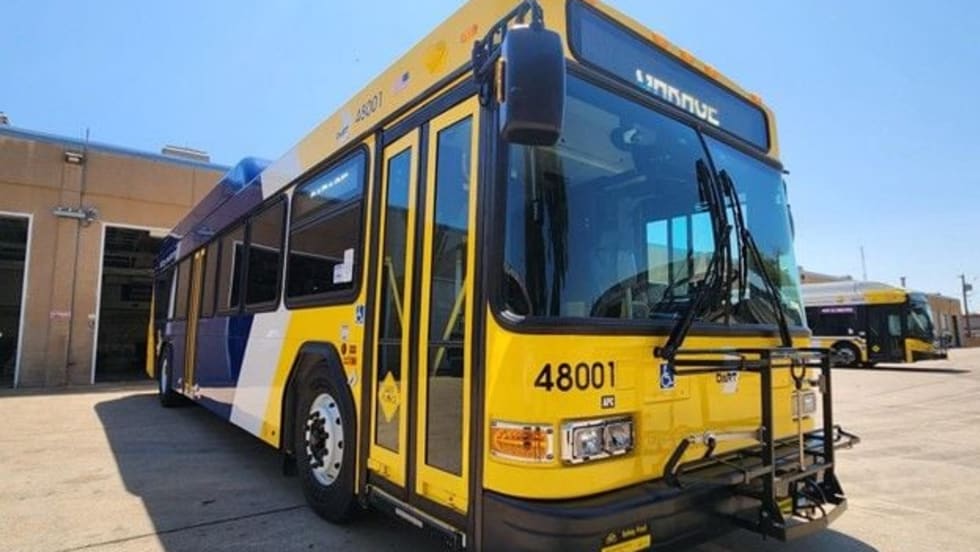
DART Customer Satisfaction Reaches Six-Year High
Overall satisfaction rose to 74.9%, while the agency’s Net Promoter Score reached a record 33.7.
Read More →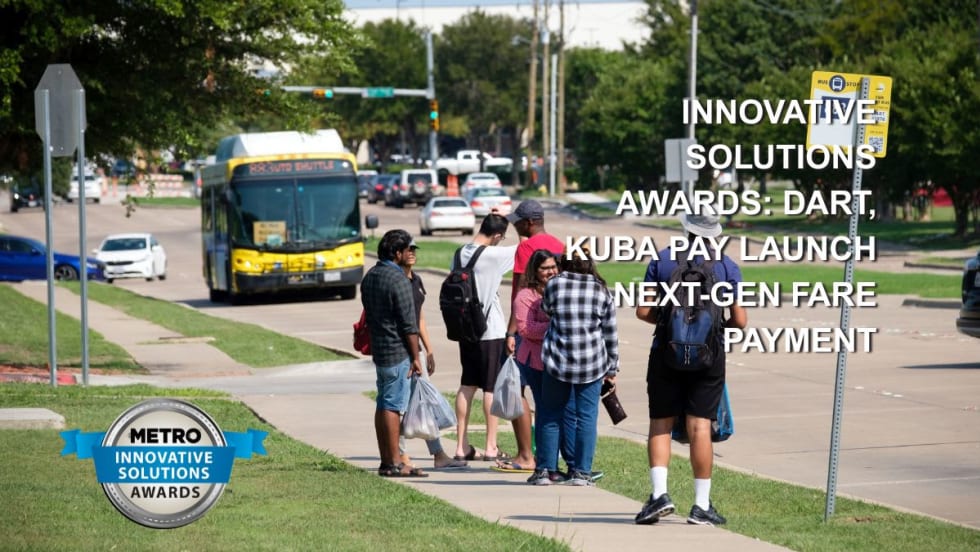
How DART's GoPass Is Redefining Regional Mobility
Serving 14 transit agencies, GoPass simplifies multimodal travel by allowing riders to plan, pay for, and manage an entire trip through one app.
Read More →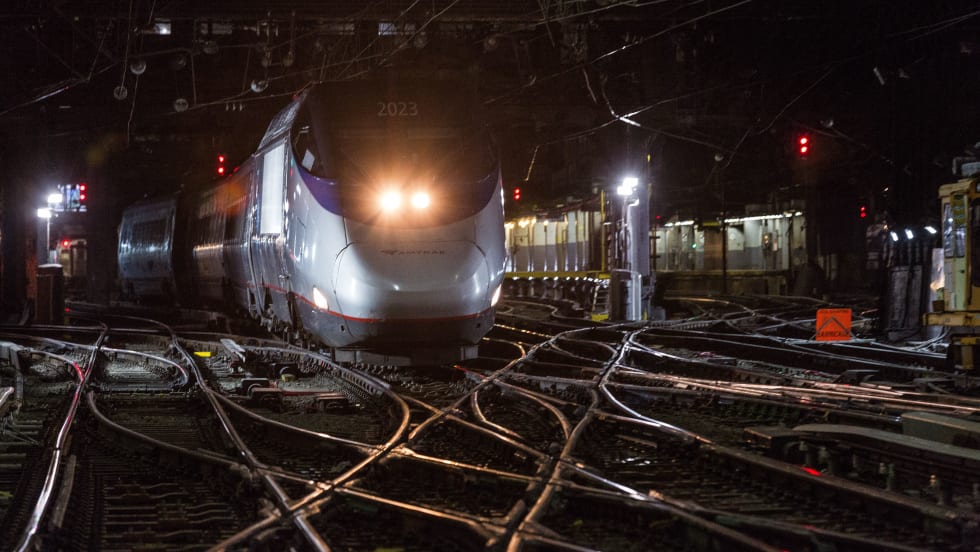
Amtrak Board Advances Plan to Restructure Organization, Seeks Public Input
The proposal, developed by Amtrak management and approved by the board for further consideration, is intended to modernize the organization's structure while improving accountability, operational efficiency, and customer service.
Read More →
Biz Briefs: STV teams with Amtrak, Motorcoach Operators Boost Fleet and Land Contracts, and More
From manufacturers and suppliers to transit agencies and motorcoach operators, these updates offer a snapshot of the projects, partnerships and business moves driving the industry forward.
Read More →