



WMATA installs gap reducers on railcars
The Washington (D.C.) Metropolitan Area Transit Authority (WMATA) retrofitted nearly 100% of its 758 revenue-service railcars with gap reducers to reduce the amount of space between the platform and the door.

The Washington (D.C.) Metropolitan Area Transit Authority (WMATA) retrofitted nearly 100% of its 758 revenue-service railcars with gap reducers to reduce the amount of space between the platform and the door. The reducers, rubber strips placed at the threshold of the doors, decrease the vertical gap by half an inch. They are beveled at a 45 degree angle and extend in a horizontal direction one and a half inches beyond the railcar door. “It’s not only for wheelchairs, but for women and children with smaller feet,” said Cheryl Johnson, a spokeswoman for WMATA. The reducers were installed on the six doors of each railcar, with a total of more than 4,500 installed. The project was part of an Emergency Rail Rehabilitation Project that began last year and was funded at $985,000. “Even though we were in compliance with American with Disabilities Act regulations, we thought this would further enhance safety for our passengers,” Johnson said. Federal Transit Administration (FTA) regulations read: “In light rail, rapid rail and commuter rail key stations, the platform or a portion thereof and the vehicle floor shall be coordinated so that the vertical difference, measured when the vehicle is at rest, is within plus or minus one and a half inches under all normal passenger load conditions, and the horizontal gap, measured when the vehicle is at rest, is no greater than three inches for at least one door of each vehicle or car required to be accessible.” Art Lopez, head of the Civil Rights Office at the FTA, said that gaps are generally an issue at transit agencies, and that they all solve the problem in their own ways. The Metropolitan Atlanta Regional Transit Authority installed a reducer similar to WMATA’s. “Having that little piece in there really helps a lot,” Lopez said. “It’s the type of modification that ADA is all about—it should not just help people with disabilities, it should help everyone.” Before installing the reducers, WMATA had public hearings and got input from the wheelchair and visually impaired communities, Lopez said. “It’s a good example of the community and a transit property working together to create a solution,” he said. The Office of Civil Rights is responsible for ADA compliance at key stations nationwide, of which there are 685. The office has done assessments at more than two-thirds of those, Lopez said.
More Rail

Chicago Leaders Unveil Plans for O’Hare Airport Express Train
The privately developed project would offer a 15-minute trip between downtown and O’Hare’s Terminal 2, with trains operating every 15 minutes on a dedicated track. The service would use battery-electric trains and three existing freight rail rights-of-way.
Read More →
OCTA Maps Out 30-Year Strategy to Protect Coastal Rail Corridor
The draft feasibility report identifies strategies to protect the coastal rail line for decades as the agency continues near-term stabilization and sand placement efforts.
Read More →
The Business Voice Behind Public Transportation
As chair of APTA’s Business Members Board of Governors, Ray Melleady explains how more than 850 business members are partnering with transit agencies to advance funding, innovation, and industry-wide collaboration.
Read More →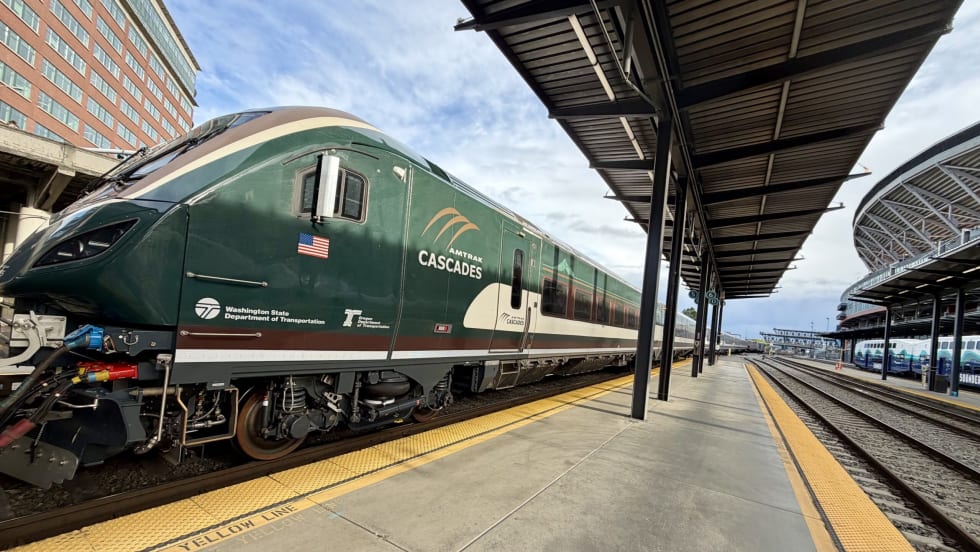
FRA Announces $5.3B in Rail Investments, Including $2B for Amtrak
Funding will support grade-crossing improvements, infrastructure upgrades, and new Amtrak equipment in 23 states.
Read More →
Finding the ‘Happy Medium’: Optimizing Maintenance Without Sacrificing Reliability
The key to maintenance optimization isn’t doing less work—it’s doing the right work at the right time on the right assets.
Read More →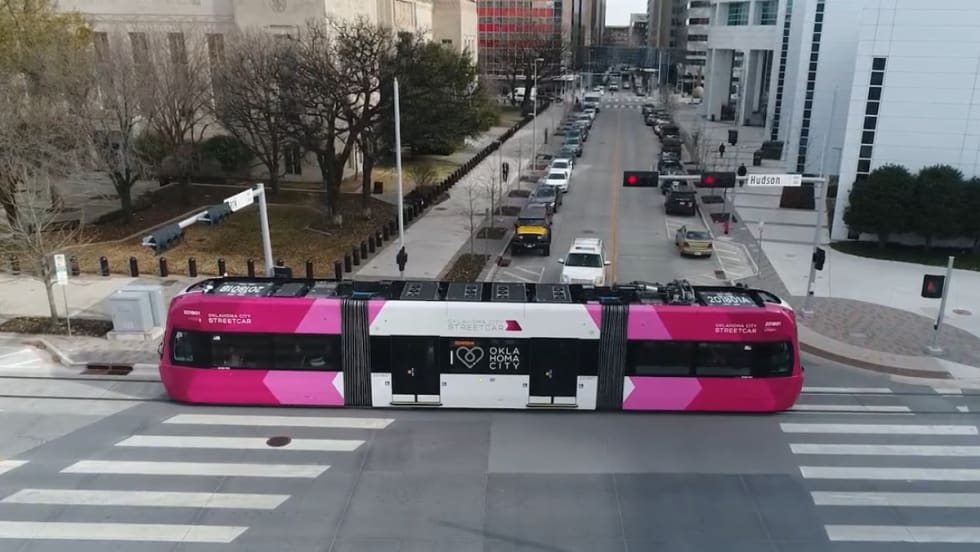
OKC Streetcar Makes Zero-Fare Service Permanent
Ridership increased an average of 71% compared with the same period a year earlier during the fare-free pilot.
Read More →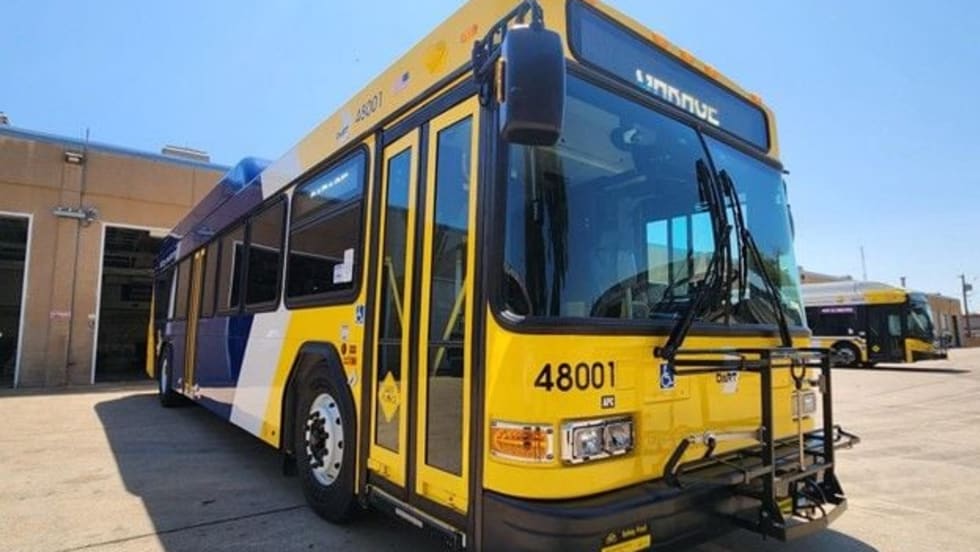
DART Customer Satisfaction Reaches Six-Year High
Overall satisfaction rose to 74.9%, while the agency’s Net Promoter Score reached a record 33.7.
Read More →
How DART's GoPass Is Redefining Regional Mobility
Serving 14 transit agencies, GoPass simplifies multimodal travel by allowing riders to plan, pay for, and manage an entire trip through one app.
Read More →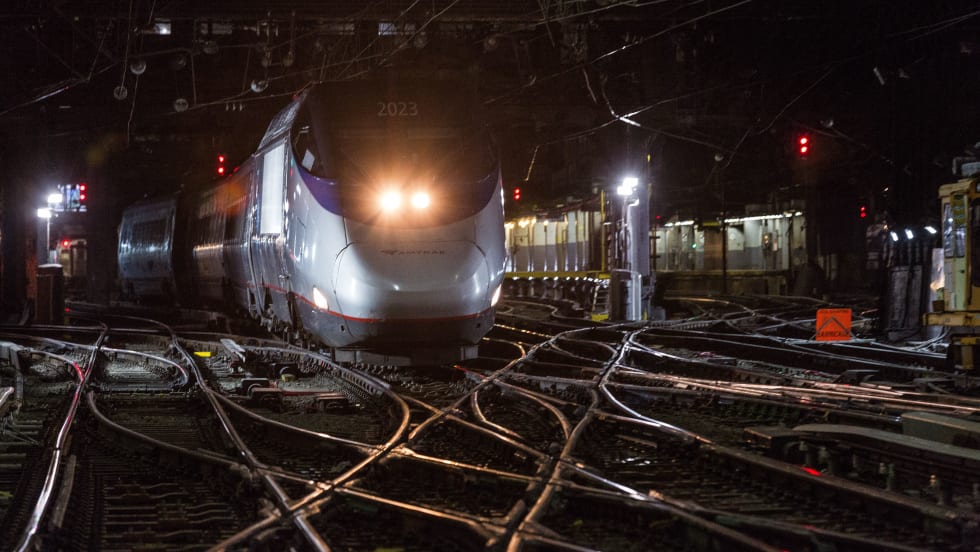
Amtrak Board Advances Plan to Restructure Organization, Seeks Public Input
The proposal, developed by Amtrak management and approved by the board for further consideration, is intended to modernize the organization's structure while improving accountability, operational efficiency, and customer service.
Read More →
Biz Briefs: STV teams with Amtrak, Motorcoach Operators Boost Fleet and Land Contracts, and More
From manufacturers and suppliers to transit agencies and motorcoach operators, these updates offer a snapshot of the projects, partnerships and business moves driving the industry forward.
Read More →