



Women In Transportation: Mattie P. Carter
Title: Commissioner Organization: Memphis Area Transit Authority City: Memphis, Tenn.

Reappointed this year for another three-year term, Carter started with MATA in 1991. Since then, she has concentrated on funding since the agency has no dedicated source.

Reappointed this year for another three-year term, Carter started with MATA in 1991. Since then, she has concentrated on funding since the agency has no dedicated source.
Without hesitation, Mattie P. Carter took a chance to learn more about her hometown's public transit system when the Memphis mayor offered her a position on the city's transportation board. She found a passion at Memphis Area Transit Authority (MATA) that would eventually lead her to national board seats at the American Public Transportation Association (APTA). "The best thing I have is common sense," says Carter, who taught math and theater when she was first appointed to MATA. "If you have a little bit of it, you're a little ahead of the game."
Carter's desire to learn has been apparent since she was named salutatorian of her high school and offered a voice scholarship at Tennessee State University. She majored in mathematics and taught high school for 32 years. Upon stepping down, MATA became her focus.
Reappointed this year for another three-year term, Carter started with MATA in 1991. Since that time she has concentrated on funding since the agency has no dedicated source, which complicates the annual budget process.
"It's hard to make plans because the odds of new funding are slim," she says. "If you don't get any new money, with prices rising on everything, it's hard to keep that budget balanced."
While Carter says the fight for funding hasn't made much progress, she is hopeful that people's understanding of the importance of mass transit is catching up to reality.
"At a time when we need service the most, we have to stop services, and lay off and furlough people when we need to rev up our services," she says.
Carter's immediate plan for MATA is to stop using other similarly sized agencies as a guide for the board. She says it needs to first look at successful transit authorities, big and small, and then replicate their victories in a way that fits Memphis.
"There are a myriad of agencies that aren't getting phased by this funding problem," she says. "Those people who have sound systems that are running well, we can benefit from them."
As Carter finishes up her more active roles with APTA, where she has held various board positions since 2001, her time will primarily shift to Memphis and her passion project: volunteering for the National Association for the Advancement of Colored People's Academic, Cultural, Technological and Scientific Olympics. But this transition is only made possible after 10 years at APTA, where she started as secretary for the transit board, which quickly evolved into vice chair and then chair.
In 2004, Carter moved to the executive committee at APTA, where she also took roles as vice chair and then chair in 2009-2010. Her position as immediate-past chair ends this October, though, she recently participated in hiring APTA's new CEO.
While leading as chair, Carter helped to implement a new governance model for APTA members.
"We're about to see more people come into a leadership role with APTA who would otherwise not get that opportunity under the former structure we had," she says.
Previously, there were specific routes to participating in leadership roles depending on the type of membership, and though there are still criteria and larger categories that classify the types of members, these routes have been eased.
In turning a great deal of her transit focus to Memphis, Carter is optimistic about MATA's future. She is hopeful about plans to push the light rail trolley system forward. The project, which would connect downtown to Memphis International Airport, has been stalled due to lack of funding.
"We don't mean to cancel the project," Carter says. "It's just on the sidelines until we can find funds."
More Bus

Brian Dickson on Building Stronger, More Resilient Transportation Organizations
Bus Business Consultants Founder Brian Dickson discusses the leadership principles, operational discipline, and strategic planning that separate transportation companies positioned for long-term success from those stuck in survival mode.
Read More →
LA Metro Breaks Ground on Vermont BRT Project
The 12.4-mile corridor is projected to serve 66,200 daily riders, reduce travel times by up to 24%, and create the nation's busiest bus rapid transit corridor.
Read More →
Roman Cornell on ABC Companies’ Evolution and the Future of Passenger Transportation
The company’s CEO discusses carrying forward a third-generation family legacy, ABC’s continued evolution in passenger transportation, support for increasingly complex fleets, and how technology and continued investment could help operators improve uptime.
Read More →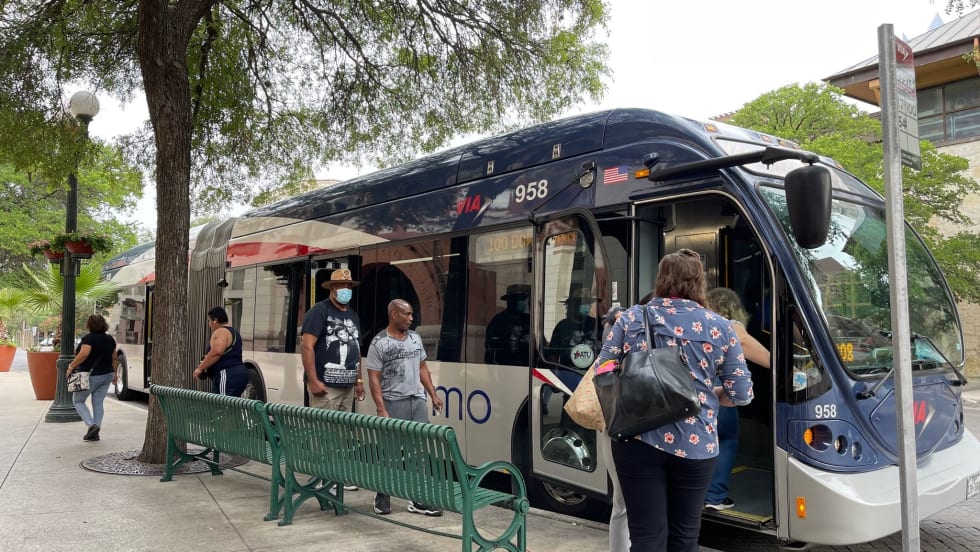
VIA Bus Ridership Grows 10.1% Through August 2026
San Antonio's VIA Metropolitan Transit reported the highest bus ridership growth among major Texas transit systems. Federal Transit Administration data ranked it second among the nation's 50 largest transit systems.
Read More →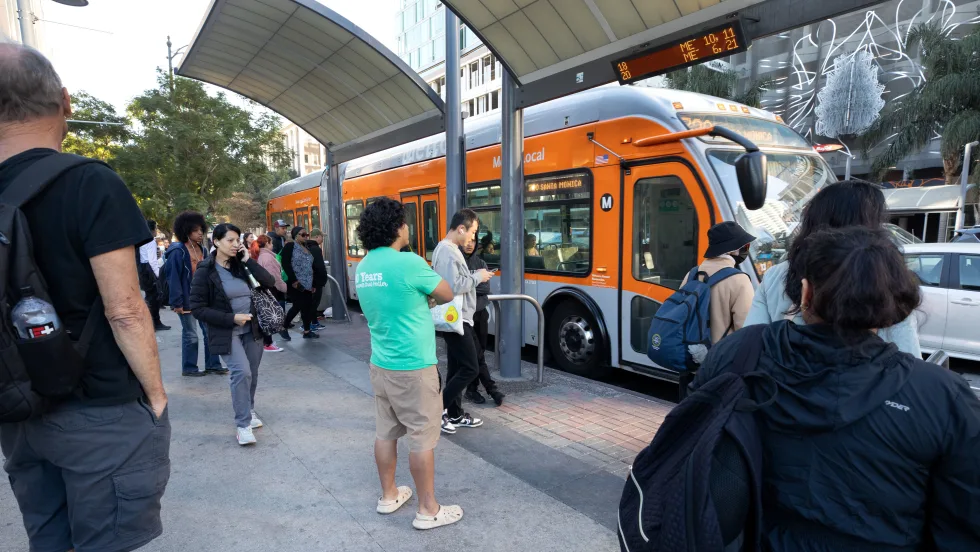
LA Metro September Ridership Climbs 3.9%, Led by Rail Growth
The agency recorded more than 27.2 million boardings, with rail ridership increasing 12.4% year over year and the D Line posting the largest gains.
Read More →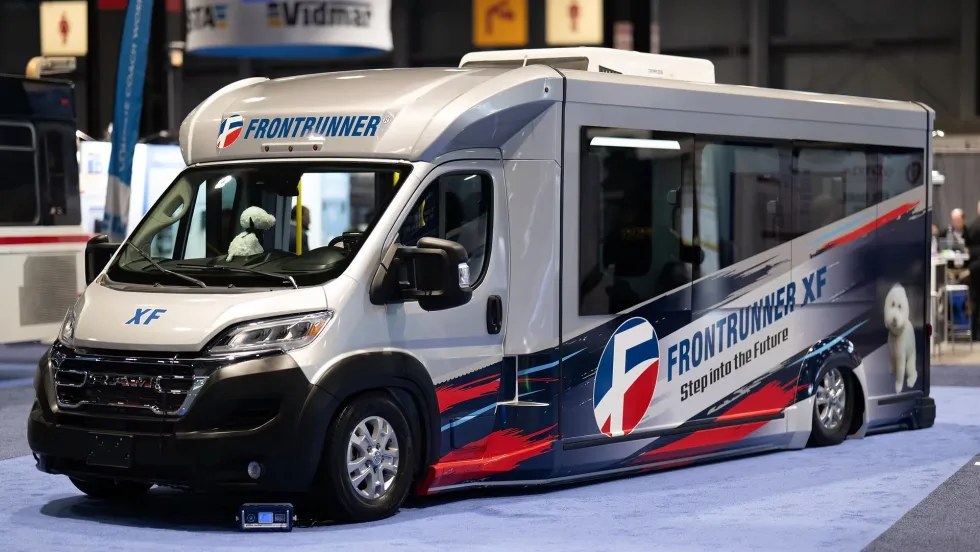
Frontrunner Bus Group Introduces XF Low-Floor Bus with Enhanced Accessibility
The new mid-sized bus features a full flat-floor design, eight-inch curbside step-in height, and zero-entry rear ramp to improve passenger access and operational flexibility.
Read More →
Scenes from APTA TRANSform & EXPO 2026
Transit leaders, manufacturers, and industry professionals gathered in Chicago to explore new technologies, share ideas, and discuss the future of public transportation.
Read More →
More Than a Summer Job: Building the Next Generation of Transit Talent
The Delaware River Port Authority and PATCO have transformed their internship program into a hands-on professional development experience that introduces students to the breadth of transportation careers — and creates a pipeline for future employees.
Read More →
LA Metro Board Awards 220 Battery-Electric Bus Contract to ENC
The contract, which is the largest base award of battery-electric buses by a U.S. transit agency, will be built in Southern California, sustaining good jobs as LA prepares to welcome the world in 2028
Read More →
Public Transit Conference Returning to GFX in 2027, Call for Papers Now Open
The Call for Papers is now open, allowing transit agency professionals and industry experts to help shape the PTC educational program by submitting session ideas for consideration.
Read More →