




RELATED: Benefits of Taking a Leadership Role in Transit Workplace Well-Being
How Lighting Design Can Impact Transportation's Shift Workers
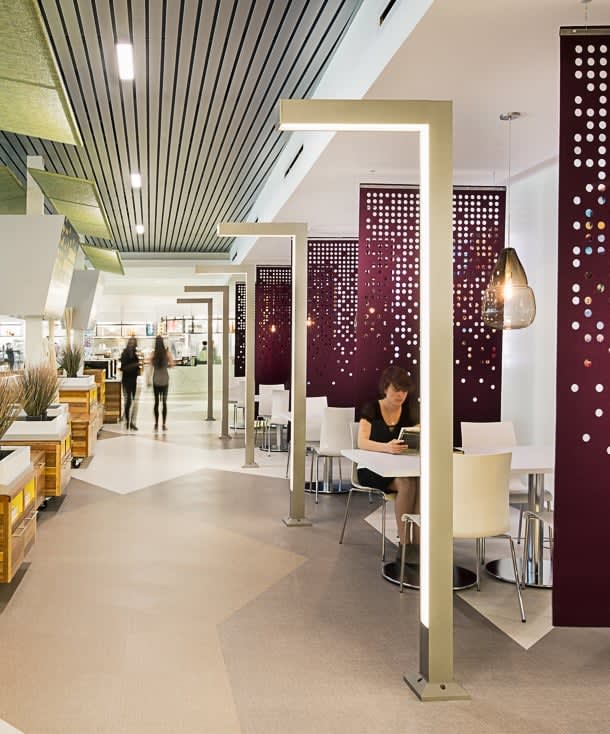
Shifts are long and varying, and facilities are often inadequate for transit employees to truly recharge and stay sharp on the job. But it doesn’t have to be that way. The quality of the environment within facilities can be designed to support shift workers and those with jobs that don’t follow traditional 9-to-5 schedules. Two key elements that can be utilized to support vehicle operator health; creating spaces with adaptability for varied activities and quality lighting that supports the adaptability of the space.
May 17, 2016
RNL
4 min to read
RNL
Shifts are long and varying, and facilities are often inadequate for transit employees to truly recharge and stay sharp on the job. But it doesn’t have to be that way. The quality of the environment within facilities can be designed to support shift workers and those with jobs that don’t follow traditional 9-to-5 schedules.
For this next installment in our well-being series, RNL’s Lighting Design team recommends two key elements that can be utilized to support vehicle operator health; creating spaces with adaptability for varied activities and quality lighting that supports the adaptability of the space.
Give People an (Adaptable) Break
Consider specific spaces that are used for mental and physical breaks within a facility. As mentioned in our previous article, different people recharge in different ways. However, most transit facilities don’t have the resources to have multiple break rooms that cater to different needs and preferences. Instead, consider larger break rooms that are adaptable, enabling employees to choose between quiet or louder more sociable zones. Elements such as light, colors, noise and furnishings can directly affect the way a space feels and thus how it is used.
A key component of adaptability is making a space appear dynamic — changing over time fast enough for it to be energizing, but slow enough for it not to be a distraction. Sound intimidating? It’s actually fairly intuitive… and natural. One of the best ways to make a space dynamic throughout the day is to use natural daylight (while controlling for glare or excess summer heat gain). This allows for connectivity to nature with shifting patterns of light and shade, highlighting textures in the space.
Adaptability can be enhanced by breaking spaces into different zones, by daylight (e.g. north-facing versus south-facing, perimeter zones versus interior zones) and/or variable electric lighting controls (e.g. dimmable lights that are controlled by occupants or daylight sensing photo-sensor). This allows operators to choose the light levels that suit their needs or tasks. Spaces with low light levels can be more soothing and relaxing, while spaces with high light levels can be more energizing and focused.
Quality of Light – Is there such a thing?
A growing body of research points to connections between the disruption of the human circadian system, responsible for regulating our sleep/wake cycle, and illnesses ranging from clinical depression to cancer. One of the primary activators of our circadian system is light. Our bodies need variations in the intensity and quality of light throughout the day. Essentially, our natural human cycle wants us to live like cavemen with high levels of bright white light during the daytime (like the sun), low levels of warm light during the evening hours (like firelight) before bed and total darkness for quality sleep (like you are in a cave).
So what can a transit agency do to support a healthier work environment for employees working all hours of the day and night?
RNL
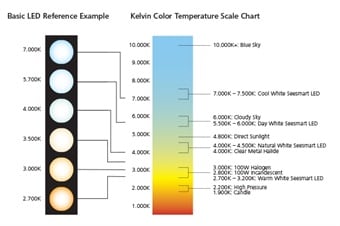
First, consider the quality of both natural and artificial light in spaces that are regularly occupied. Spaces filled with daylight to the point that little or no artificial lighting is needed are best, provided attention is paid to minimizing glare or excess heat gain in summer. This works for the daytime shift, but how about when the sun goes down, or hasn’t even risen yet? For those operators who work the second or third shift, flexible electric lighting systems that vary the color spectrum and intensity of electric light throughout the 24-hour cycle are key.
Within reasonable limits of safety, spaces with lower light levels, lower mounting locations (i.e. table lamps instead of overhead lighting) and warmer color temperatures are best for workers coming off their shift towards the end of the natural day, signaling to the body that it is approaching time for sleep. At the same time, spaces with higher light levels and cooler light temperatures should be provided for operators who are starting their shift and need to stay alert. While this does not support the natural circadian cycle, it is a matter of personal safety and therefore must be supported. Zoned control based on activity and tasks will allow for control of lower and brighter light levels when and where needed.
There is still much research to be done, but the types of spaces and the quality of lighting within them can contribute to a healthier work environment. Balancing daylight with cost-ffective lighting controls, activity-specific zoning, and adjustable color temperatures can help support the well-being of shift workers and create a more comfortable and interesting work and break environment.
This article was written by Rachel Bannon-Godfrey, director of sustainability at RNL and Katherine Stekr, Lighting Designer for RNL, a national architectural firm specializing in the planning and design of bus and rail operations and maintenance facilities.
Subscribe to Our Newsletter
More Blog Posts
Electrifying transportation: A holistic approach
Clean the grid, electrify transportation, reduce miles-traveled, and ensure access for all.
Read More →
Sustainable transit is about much more than saving the environment
Sustainable transit continues to be a hot topic among city leaders and transit officials, but more often than not, equitability is left out of the conversation.
Read More →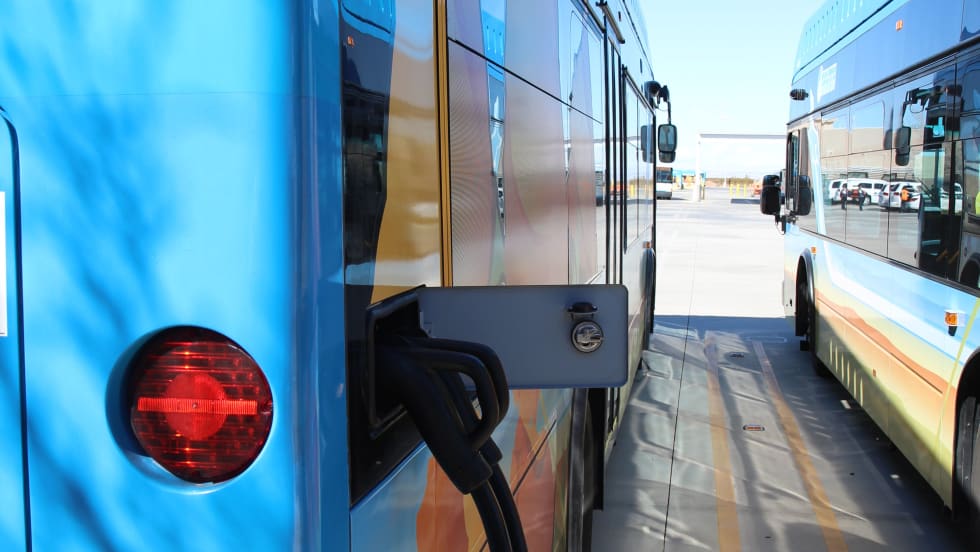
Electric utilities can accelerate electric bus and truck deployment
Electric utilities are an important early investor in charging programs for all EVs, including trucks and buses for several reasons.
Read More →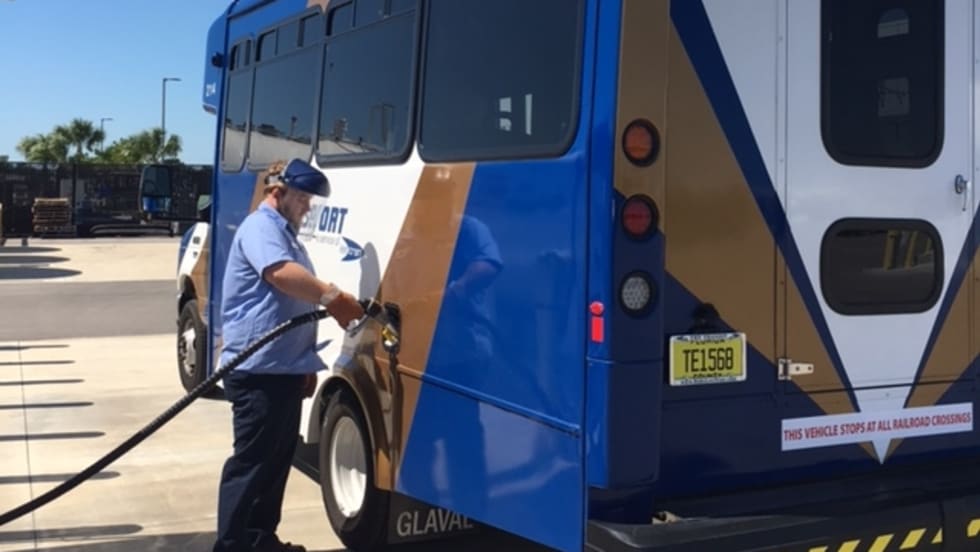
Transit Agencies Could Benefit from VW Funding
Volkswagen was found guilty and agreed to pay up to $14.7 billion to settle allegations of cheating emissions. As part of the lawsuit, Volkswagen is required to establish and fund an Environmental Mitigation Trust, known as EMT. Over the next 10 years, $2.9 billion from the VW settlement will fund environmental mitigation projects that reduce emissions of NOx.
Read More →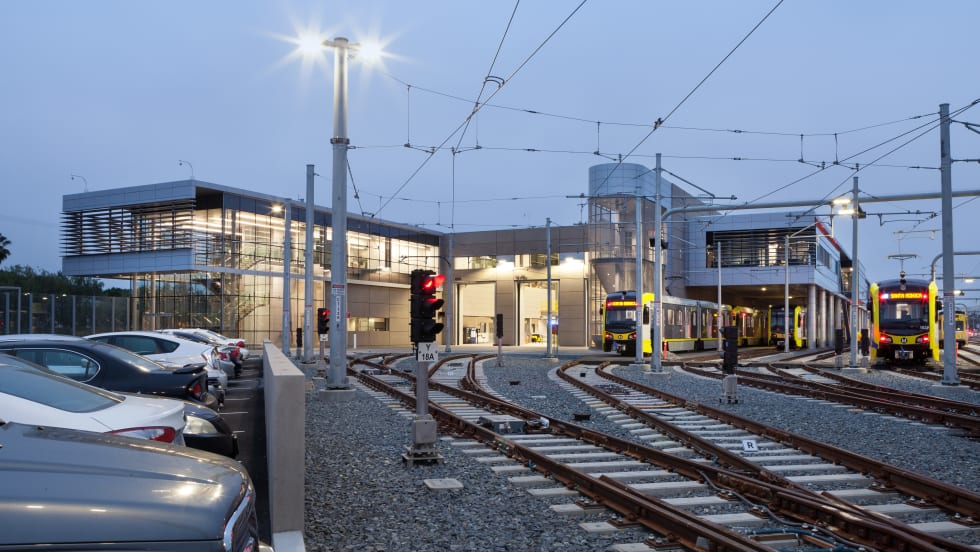
How to pick the right sustainability ratings certification for your transit agency
Rating systems have become the currency of sustainability. The right sustainability ratings system provides an important third-party verification of your agency’s commitment to creating facilities that reduce carbon emissions, save water, create healthier work environments for your employees and have a positive impact on the communities they serve.
Read More →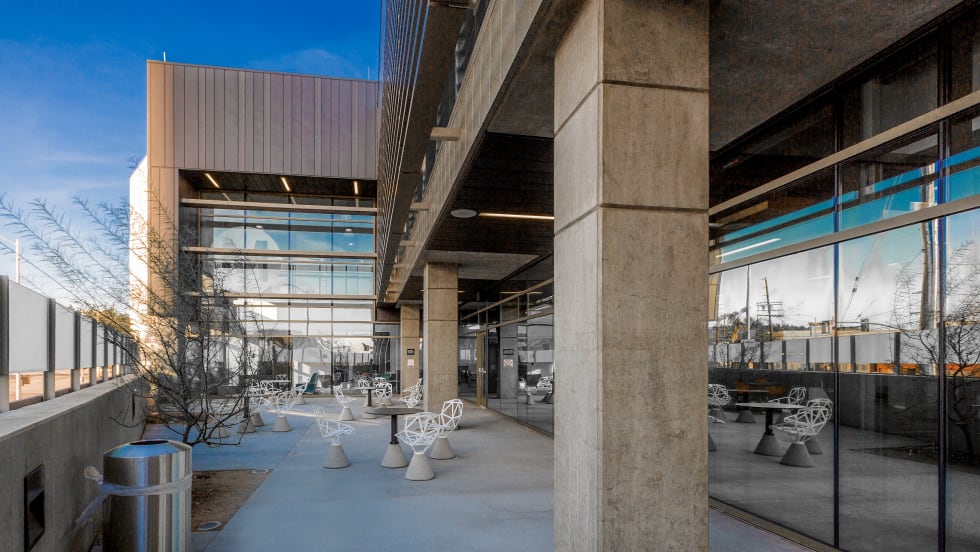
5 Transit Facility Design Elements to Boost Employee Health, Well-Being
Everyone needs to take a mental and physical break at some point in the workday, whether they’ve been concentrating on a computer screen, the road, or the underside of a bus, truck or train car. The tricky part for transit agencies is that each of these activities takes place in different surroundings, lighting conditions, room temperature and noise levels. With that in mind, consider the following factors in your facility design.
Read More →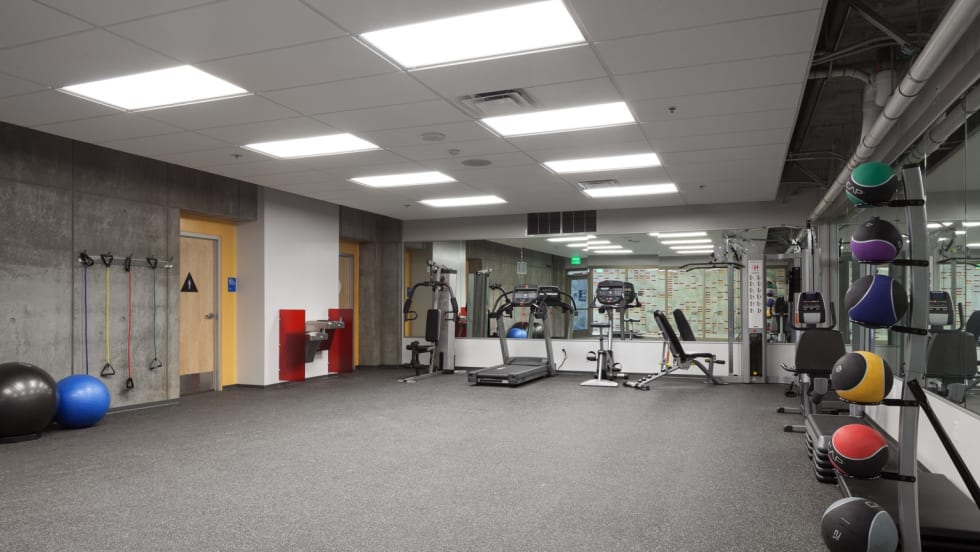
How Transit Facility Design Empowers Employees, Supports Active Lifestyles
Most transit facilities have a break room for operators to use between shifts — typically an artificially lit space with a TV, vending machines, and cafeteria-style tables and chairs. The trouble is, every person has a different way of relaxing. Besides exposure to daylight and nature, key components of wellbeing are social cohesion and a sense of empowerment. The key here then is to empower employees to choose the best way to relieve their own stress around shifts.
Read More →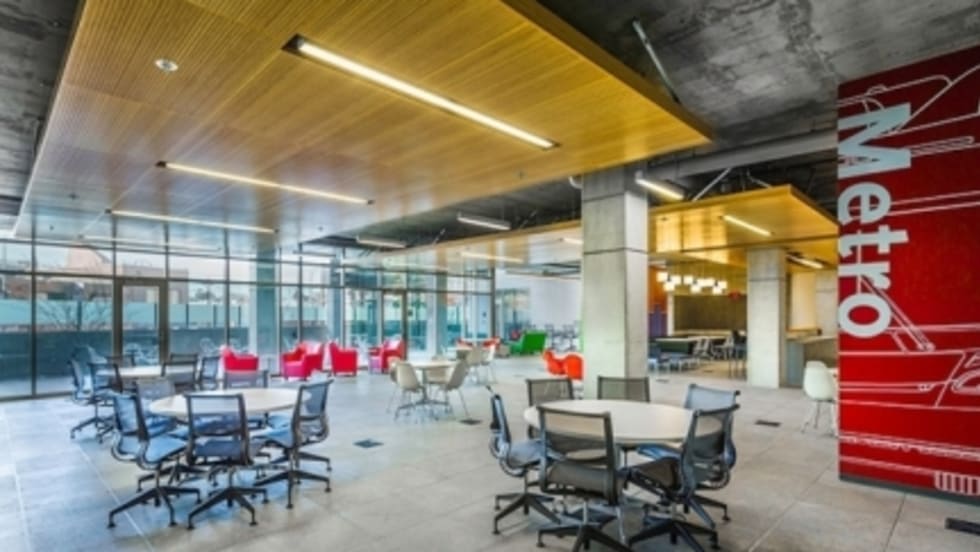
The Benefits of Taking a Leadership Role in Transit Workplace Well-Being
A health and wellness revolution is underway in America. Concurrently, there is a growing public health initiative to promote safer, more accessible recreation facilities and active transit options. Transit agencies are uniquely positioned in the overlap of these two movements. By promoting health and well-being, agencies have an opportunity to show leadership and innovation in a truly holistic approach to total worker health, while benefiting workforce productivity and happiness.
Read More →
Va. transit fleet kicks off major CNG transition
GRTC is a member of the Virginia Clean Cities (VCC) coalition, which over the years has hosted a variety of workshops, webinars and other training opportunities for fleets interested in transitioning to CNG. Another coalition member — the City of Richmond — inaugurated its fleet of CNG refuse haulers in 2011, which set the stage for GRTC’s transition. View the YouTube video to see how VCC helped the city implement its CNG fleet.
Read More →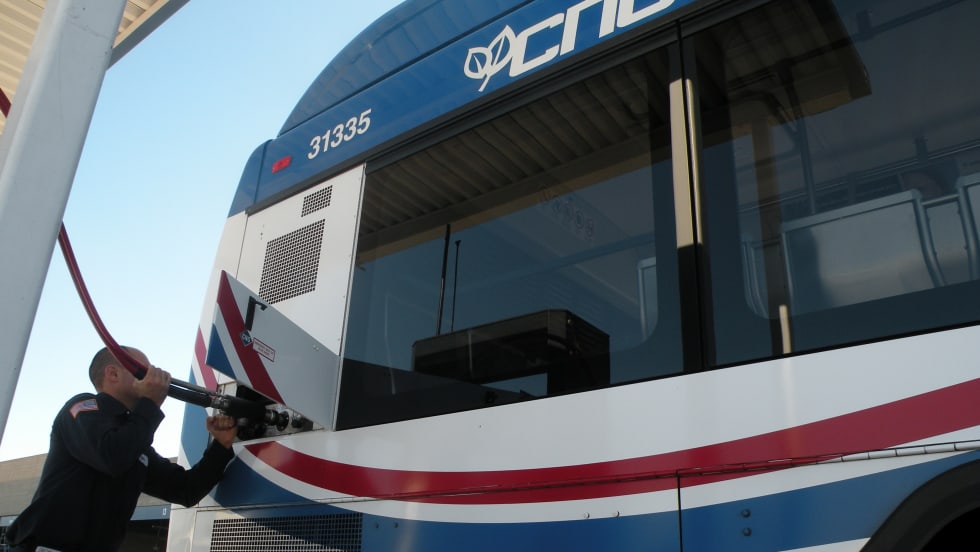
Riverside Transit Agency Buses Fill up on Natural Gas, Provide Free Rides for Students
A long-time champion of cleaner, greener technologies, the Riverside Transit Agency (RTA) has provided public bus service to California’s Western Riverside County since 1977.
Read More →