




Ultimately, cities need to realize that the more equitable transit becomes, the more people will ride...
Sustainable transit is about much more than saving the environment
Sustainable transit continues to be a hot topic among city leaders and transit officials, but more often than not, equitability is left out of the conversation.
April 22, 2019
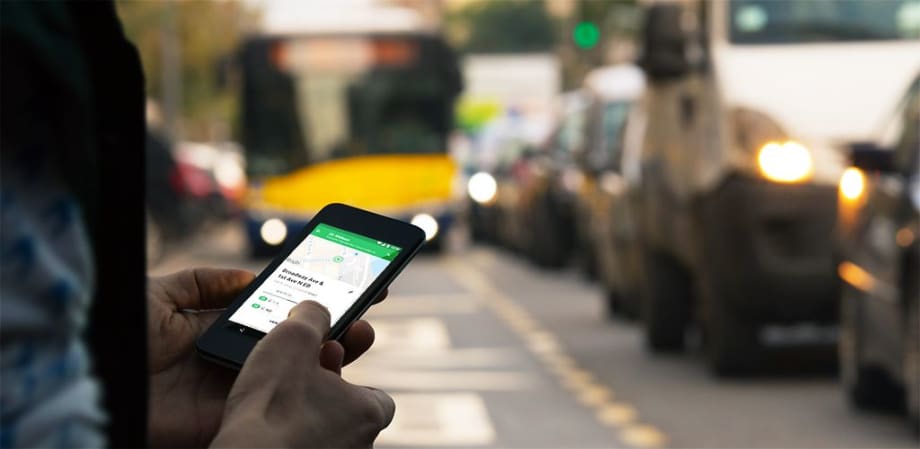
To achieve an integrated approach to mobility, agencies need to make decisions that are grounded in transit data.
TransLoc
5 min to read
To achieve an integrated approach to mobility, agencies need to make decisions that are grounded in transit data.
TransLoc
Sustainable transit continues to be a hot topic among city leaders and transit officials, but more often than not, equitability is left out of the conversation. Micromobility options like Lyft and Lime are excellent environmentally-friendly options for city-dwellers and those who can afford them. For rural residents, people with disabilities, or other lower-income workers, this isn’t the case. Their environmentally-friendly transit equals 4 hours or more of public transit to get to work.
A lack of accessible transit coupled with an influx of new tech meant to benefit a small percentage of the population is creating a lack of equality across the country — and it’s impacting social mobility among citizens living in underserved communities. At the same time, a lack of access to public transit is having an equally negative impact on sustainability and the environment.
Ultimately, cities need to realize that the more equitable transit becomes, the more people will ride, which encourages free mobility while also delivering more benefits to the environment. In order to make transportation accessible, transit agencies need to rethink their approach to transit planning.
How to adopt a suburban approach to mobility engineering
Historically, city suburbs require residents to own private vehicles if they want access to high-paying jobs, entertainment, even healthcare that’s typically located in the city’s center. With suburban populations growing 16 percent since 2000, private-vehicle ownership is quickly on the rise. The impact this has on the environment is obviously detrimental as private vehicles make up 55 percent of a household’s carbon footprint. However, the impact car-dependent cities have on equitability and economic development is equally detrimental.

TransLoc
To address these challenges, city transit leaders need to adopt a suburban approach to mobility engineering. This approach forces agencies to mimic transit innovations that are happening in urban communities — like scooters and bikes that are supplementing existing transit modes — and adapt them to benefit the majority, not just city-dwellers. This could mean offering public microtransit shuttles through local transit agencies to close gaps in service in underserved regions, or partnering with TNCs to develop a model that supports subsidized rides to nearby transit stops. Delivering smaller-scale alternatives like this to those residents who don’t live near public transit, or can’t afford to own their own car, allows agencies to provide free and equal mobility — without making a costly investment in a new bus route or light rail.
Plymouth, Minnesota is a great example of a city that was able to adopt this approach. Plymouth has been deemed one of the most livable cities in the Midwest for years — boasting more than 58,000 jobs and a prospering economy. Their success, however, is not a coincidence — flexible, accessible transit made it possible. When they noticed a few years back that businesses were struggling to fill shifts because it was too challenging for people to commute in and outside of the city, they knew they needed to alter their approach. They embraced microtransit to offer previously underserved communities an affordable alternative to get around, providing riders with the flexibility of an Uber or Lyft, at the price tag of public transit — and without the cost and carbon footprint of full-size city buses. They also leveraged TNC partnerships to close first/last mile transit gaps and drive residents to central pickup locations and city transit. The result? No citizen is left behind in Plymouth — they’ve created a completely car-optional environment that’s resulted in greater economic growth and opportunity for all citizens, regardless of their proximity to the city center, or their socioeconomic status.
Transit agencies need to make data-backed decisions
In order to create equal access to transit that supports sustainability and increases ridership, agencies need to have an agile approach to transit planning. As mobility continues to change, transit systems can no longer rely on one simple mode of transportation. Systems need to be flexible and riders need options. For example, instead of competing with TNCs, an agile focus embraces flexible public-private partnerships to supplement and enhance access to public transit.
To achieve this integrated approach to mobility, agencies need to make decisions that are grounded in transit data. Leveraging ridership sentiment and trends will help agencies identify gaps in service and understand where resources could be redistributed. However, it’s important to recognize the challenges that come with sorting through mass transit data to find useful insight — this is why many agencies struggle to make data-informed decisions. The right transit data strategy has to involve more than tracking how many passengers are using a service and when. Transit agencies need to collaborate with private providers, like a Lyft or a Lime, to share transit data as much as possible. This shared relationship benefits both parties, providing insight to inform service adjustments that will deliver the greatest benefit. It’s equally important to offer ways for riders and businesses to share feedback with transit offices — whether it be asking passengers to rate a ride, or holding meetings with transit representatives. Communication between riders and providers should be open and constant so that communities can ensure that transit deserts don’t emerge.
At the end of the day, transportation touches every element of a community, from job access and healthcare to education and environmental impact. It needs to be a priority among transit agencies to not only commit to sustainable practices but ensure that service is always accessible — because ultimately, sustainable transit will never exist without widespread equal access.
Alex Gibson is Business Owner for Mobility Information at TransLoc.
Subscribe to Our Newsletter
More Blog Posts
Electrifying transportation: A holistic approach
Clean the grid, electrify transportation, reduce miles-traveled, and ensure access for all.
Read More →
Electric utilities can accelerate electric bus and truck deployment
Electric utilities are an important early investor in charging programs for all EVs, including trucks and buses for several reasons.
Read More →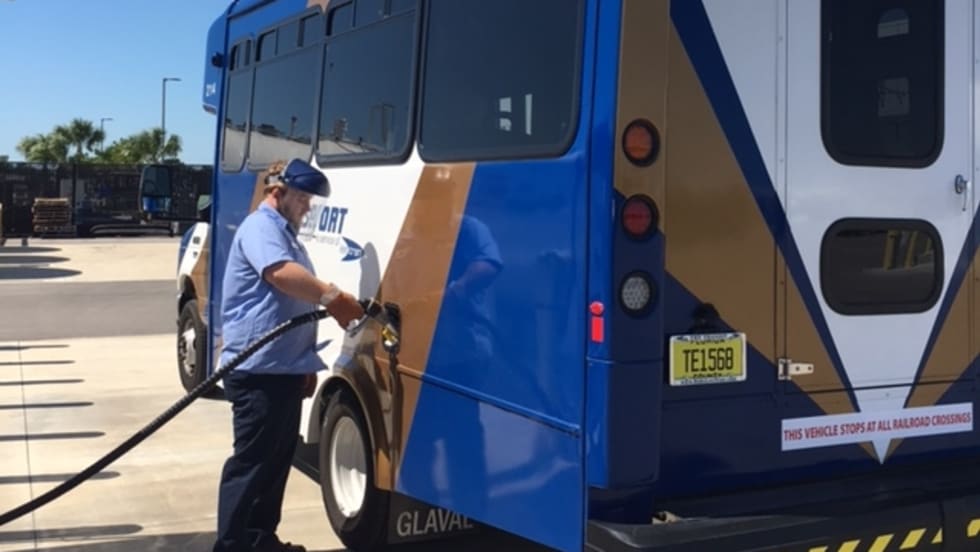
Transit Agencies Could Benefit from VW Funding
Volkswagen was found guilty and agreed to pay up to $14.7 billion to settle allegations of cheating emissions. As part of the lawsuit, Volkswagen is required to establish and fund an Environmental Mitigation Trust, known as EMT. Over the next 10 years, $2.9 billion from the VW settlement will fund environmental mitigation projects that reduce emissions of NOx.
Read More →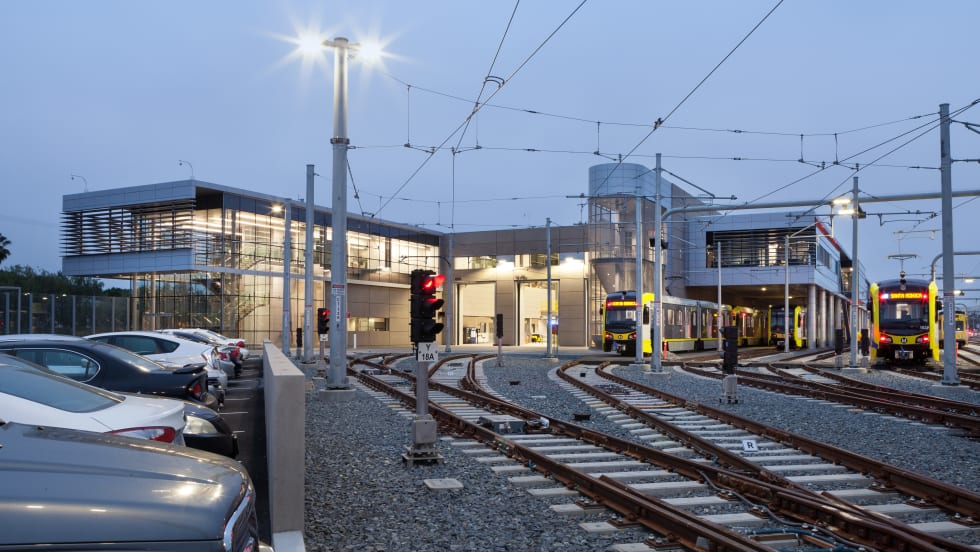
How to pick the right sustainability ratings certification for your transit agency
Rating systems have become the currency of sustainability. The right sustainability ratings system provides an important third-party verification of your agency’s commitment to creating facilities that reduce carbon emissions, save water, create healthier work environments for your employees and have a positive impact on the communities they serve.
Read More →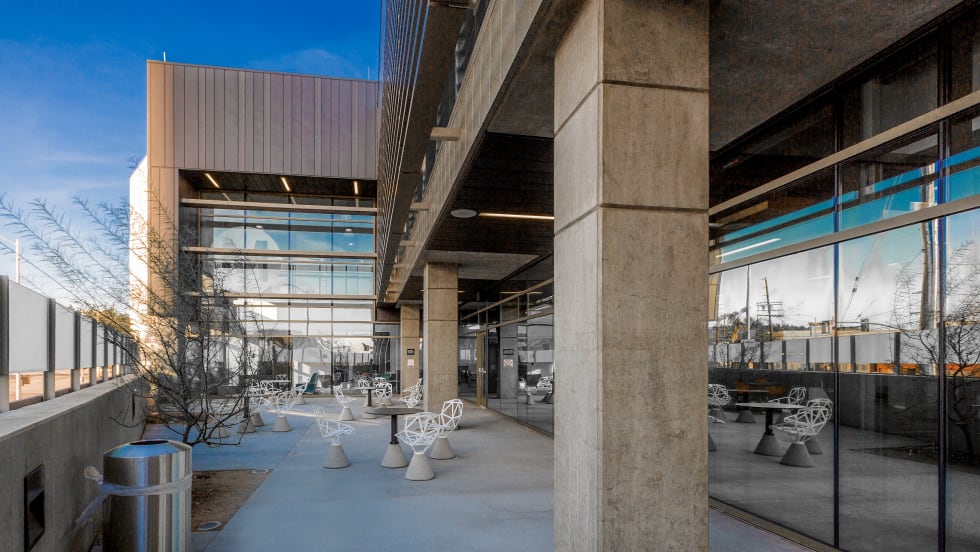
5 Transit Facility Design Elements to Boost Employee Health, Well-Being
Everyone needs to take a mental and physical break at some point in the workday, whether they’ve been concentrating on a computer screen, the road, or the underside of a bus, truck or train car. The tricky part for transit agencies is that each of these activities takes place in different surroundings, lighting conditions, room temperature and noise levels. With that in mind, consider the following factors in your facility design.
Read More →
How Lighting Design Can Impact Transportation's Shift Workers
Shifts are long and varying, and facilities are often inadequate for transit employees to truly recharge and stay sharp on the job. But it doesn’t have to be that way. The quality of the environment within facilities can be designed to support shift workers and those with jobs that don’t follow traditional 9-to-5 schedules. Two key elements that can be utilized to support vehicle operator health; creating spaces with adaptability for varied activities and quality lighting that supports the adaptability of the space.
Read More →
How Transit Facility Design Empowers Employees, Supports Active Lifestyles
Most transit facilities have a break room for operators to use between shifts — typically an artificially lit space with a TV, vending machines, and cafeteria-style tables and chairs. The trouble is, every person has a different way of relaxing. Besides exposure to daylight and nature, key components of wellbeing are social cohesion and a sense of empowerment. The key here then is to empower employees to choose the best way to relieve their own stress around shifts.
Read More →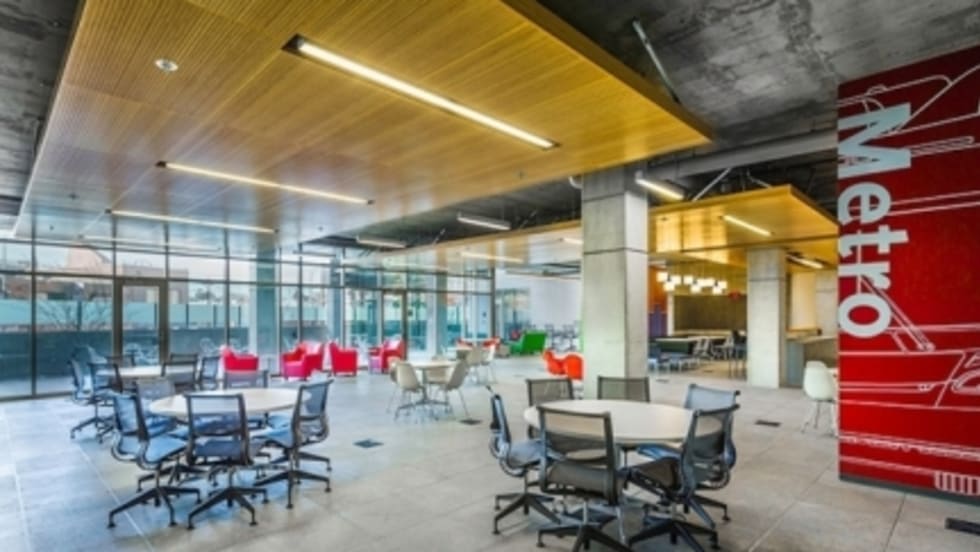
The Benefits of Taking a Leadership Role in Transit Workplace Well-Being
A health and wellness revolution is underway in America. Concurrently, there is a growing public health initiative to promote safer, more accessible recreation facilities and active transit options. Transit agencies are uniquely positioned in the overlap of these two movements. By promoting health and well-being, agencies have an opportunity to show leadership and innovation in a truly holistic approach to total worker health, while benefiting workforce productivity and happiness.
Read More →
Va. transit fleet kicks off major CNG transition
GRTC is a member of the Virginia Clean Cities (VCC) coalition, which over the years has hosted a variety of workshops, webinars and other training opportunities for fleets interested in transitioning to CNG. Another coalition member — the City of Richmond — inaugurated its fleet of CNG refuse haulers in 2011, which set the stage for GRTC’s transition. View the YouTube video to see how VCC helped the city implement its CNG fleet.
Read More →
Riverside Transit Agency Buses Fill up on Natural Gas, Provide Free Rides for Students
A long-time champion of cleaner, greener technologies, the Riverside Transit Agency (RTA) has provided public bus service to California’s Western Riverside County since 1977.
Read More →