




RELATED: How Lighting Can Impact Transportation's Shift Workers
5 Transit Facility Design Elements to Boost Employee Health, Well-Being
Everyone needs to take a mental and physical break at some point in the workday, whether they’ve been concentrating on a computer screen, the road, or the underside of a bus, truck or train car. The tricky part for transit agencies is that each of these activities takes place in different surroundings, lighting conditions, room temperature and noise levels. With that in mind, consider the following factors in your facility design.
June 30, 2016
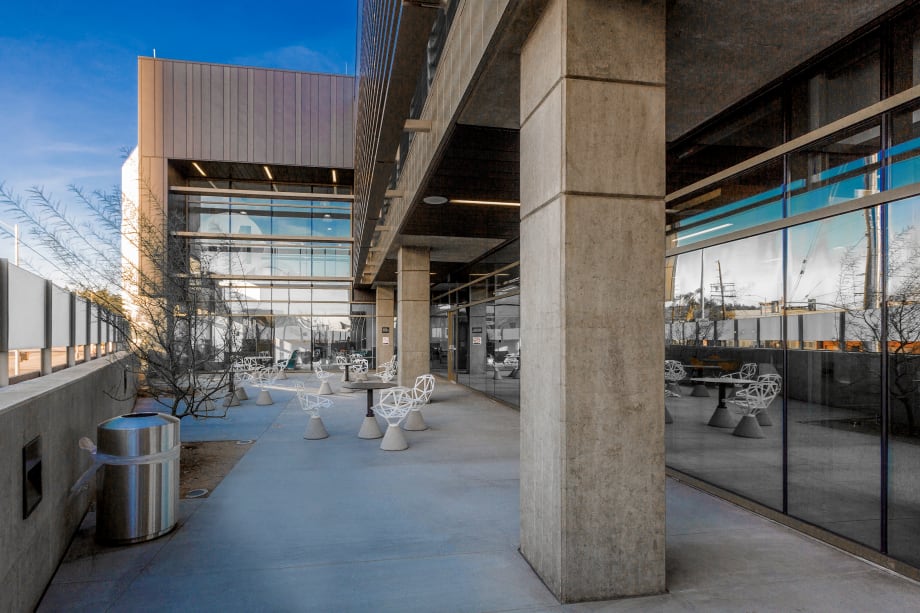
Photo: Chang Kim-Maintenance Design Group for Metro
4 min to read
Photo: Chang Kim-Maintenance Design Group for Metro
In workplaces nationwide, increasing attention is being paid to wellness programs and on-site amenities aimed at boosting employee engagement, productivity and performance. Through thoughtful space planning and design, transit facilities can give all employees the opportunity to improve their workplace health and well-being, regardless of their roles and responsibilities.
Everyone needs to take a mental and physical break at some point in the workday, whether they’ve been concentrating on a computer screen, the road, or the underside of a bus, truck or train car. The tricky part for transit agencies is that each of these activities takes place in different surroundings, lighting conditions, room temperature and noise levels. With that in mind, consider the following factors in your facility design.
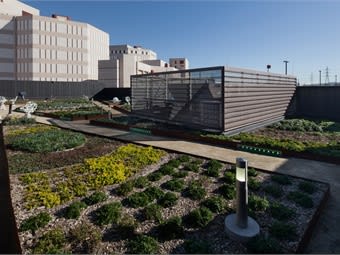
Photo: Chang Kim-Maintenance Design Group for Metro
The Building: Upon crossing the threshold of your workplace at the start of your day, do you feel motivated, valued and safe? The situation, building, day of week and time of day may be different for each person, but everyone wants to feel these things at the place they spend most of their waking hours. Consider all the regularly used employee entrances in your facility: Does each trade or department have an equally uplifting and safe way to physically begin the day?
The Message: The first impression of a workplace is important; sustaining that impression is even more so. Small but important changes to the way messages are communicated to employees help them feel that management is proactively addressing their health and cares about their well being. Building signage and wayfinding, for example, are moving from obvious (stair), to educational (stair made from certified wood), to motivational (Take the stairs! It’s better for your health!). Consider whether signage and way-finding in your facility are applied consistently across each building and space type (e.g. administration, management, maintenance, operations). Does every employee know how to get to the staircase, fitness center, prayer room or outdoor space, and can they all access these in a reasonable amount of time?
The Space Options (Controllability): Studies have shown a key characteristic of highly engaged employees is the control they have over where and how they work and their ability to find privacy for uninterrupted work when necessary. These characteristics are a function of workplace design, culture and leadership, and are reflected in the recent trend towards adaptable workspaces in commercial offices.
So how do you provide adaptability and choice in the typical transit facility workspaces, which tend to be less adaptable? Consider the break areas in your facility: Do all employees have access to more than one type of break space so they can choose how best to recharge? As previously discussed, providing employees with a choice of break areas — quiet zones, loud zones, daylit zones, dimly lit zones — can empower them to choose their preferred way to recharge.
The Amenities: While site area is typically at a premium in transit facilities, outdoor amenity spaces are becoming more popular, and necessary, on campuses. The large and distributed layout of many transit facilities can be leveraged to provide indoor or rooftop walking paths, linking buildings, spaces and employees. Consider how and where employees can fit in physical or communal activity. Do all employees have equal access to on-site amenities such as a safe, well-lit walking path, fitness room, drinking fountains or water refill stations, healthy vending machines, or a place to store/heat up food, locker rooms, or showers? Are the entrances and exits to the site located so all employees can easily access local amenities like bike paths, bus stops, parks or playgrounds?
Safety: Finally, at the end of the workday, no matter what time it is, everyone deserves to be able to relax, and get home safely and efficiently. How do your employees get to and from work? Are all egress routes well lit, safe and within easy access of car parking, bike parking, car/van pools or other transportation options?
The questions we went through in this article are a simplified version of empathy mapping, a powerful tool that RNL Design uses when planning and programming facilities to gain deeper insight into the needs of each user group. We urge you to consider the value this approach can bring to your organization as you contemplate your own facilities and staff.
This article was written by Rachel Bannon-Godfrey, director of sustainability at RNL and Ken Anderson, principal and eastern region transit director at RNL, a national architectural firm specializing in the planning and design of bus and rail operations and maintenance facilities.
Subscribe to Our Newsletter
More Blog Posts
Electrifying transportation: A holistic approach
Clean the grid, electrify transportation, reduce miles-traveled, and ensure access for all.
Read More →
Sustainable transit is about much more than saving the environment
Sustainable transit continues to be a hot topic among city leaders and transit officials, but more often than not, equitability is left out of the conversation.
Read More →
Electric utilities can accelerate electric bus and truck deployment
Electric utilities are an important early investor in charging programs for all EVs, including trucks and buses for several reasons.
Read More →
Transit Agencies Could Benefit from VW Funding
Volkswagen was found guilty and agreed to pay up to $14.7 billion to settle allegations of cheating emissions. As part of the lawsuit, Volkswagen is required to establish and fund an Environmental Mitigation Trust, known as EMT. Over the next 10 years, $2.9 billion from the VW settlement will fund environmental mitigation projects that reduce emissions of NOx.
Read More →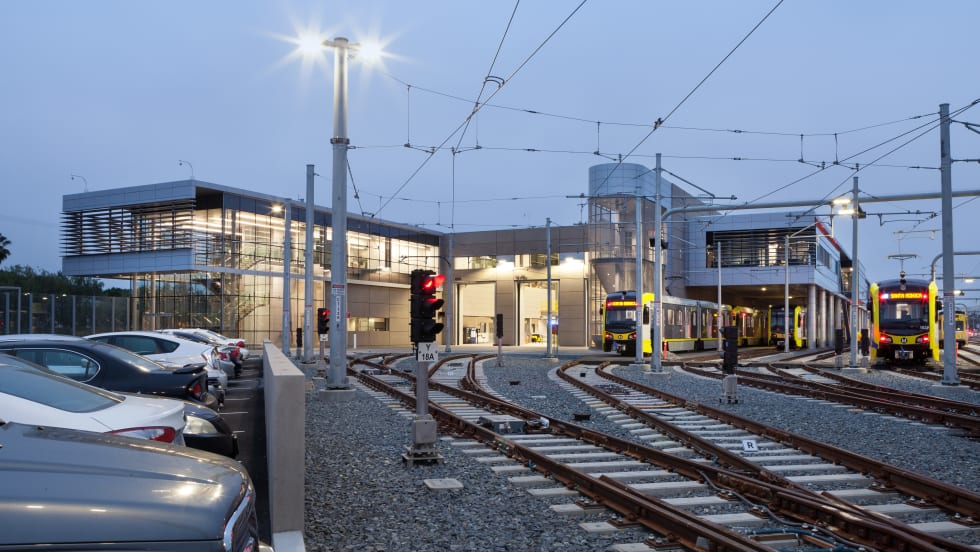
How to pick the right sustainability ratings certification for your transit agency
Rating systems have become the currency of sustainability. The right sustainability ratings system provides an important third-party verification of your agency’s commitment to creating facilities that reduce carbon emissions, save water, create healthier work environments for your employees and have a positive impact on the communities they serve.
Read More →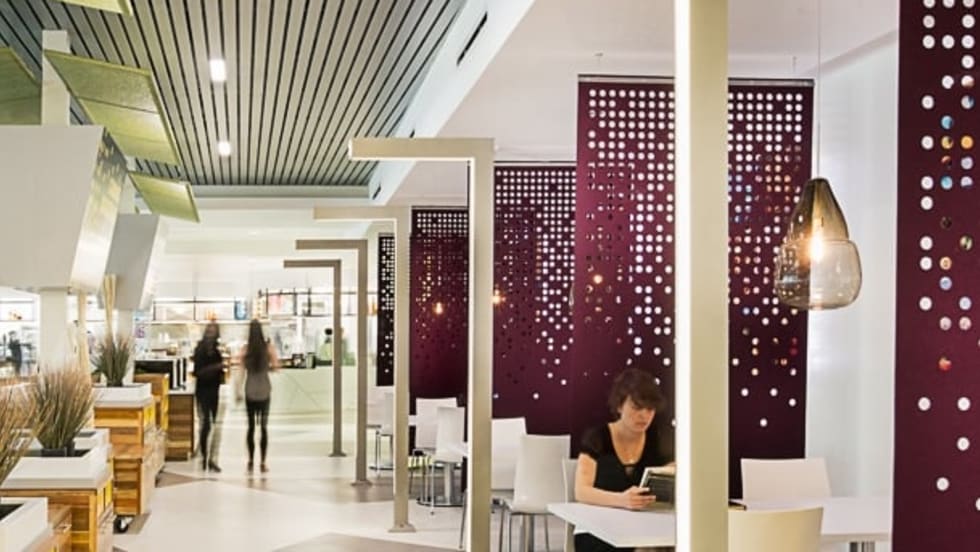
How Lighting Design Can Impact Transportation's Shift Workers
Shifts are long and varying, and facilities are often inadequate for transit employees to truly recharge and stay sharp on the job. But it doesn’t have to be that way. The quality of the environment within facilities can be designed to support shift workers and those with jobs that don’t follow traditional 9-to-5 schedules. Two key elements that can be utilized to support vehicle operator health; creating spaces with adaptability for varied activities and quality lighting that supports the adaptability of the space.
Read More →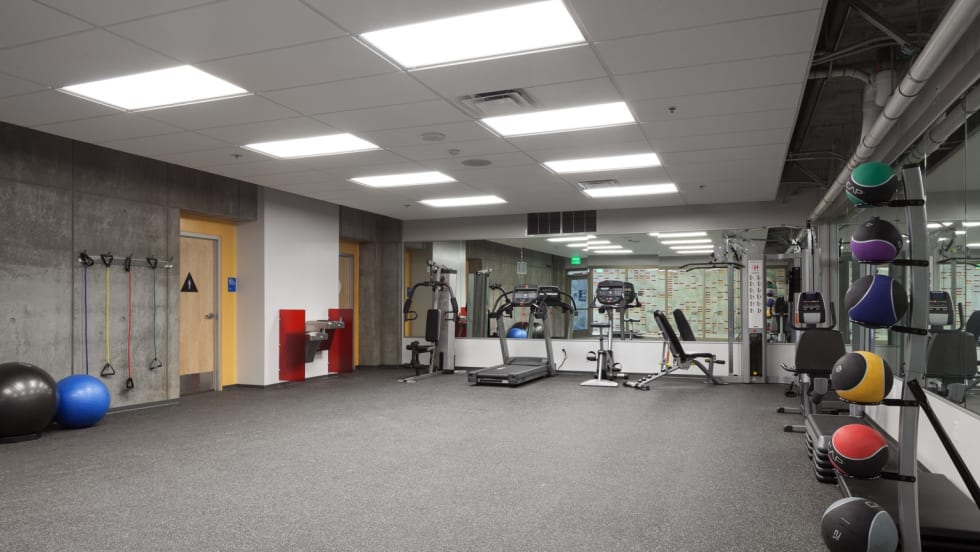
How Transit Facility Design Empowers Employees, Supports Active Lifestyles
Most transit facilities have a break room for operators to use between shifts — typically an artificially lit space with a TV, vending machines, and cafeteria-style tables and chairs. The trouble is, every person has a different way of relaxing. Besides exposure to daylight and nature, key components of wellbeing are social cohesion and a sense of empowerment. The key here then is to empower employees to choose the best way to relieve their own stress around shifts.
Read More →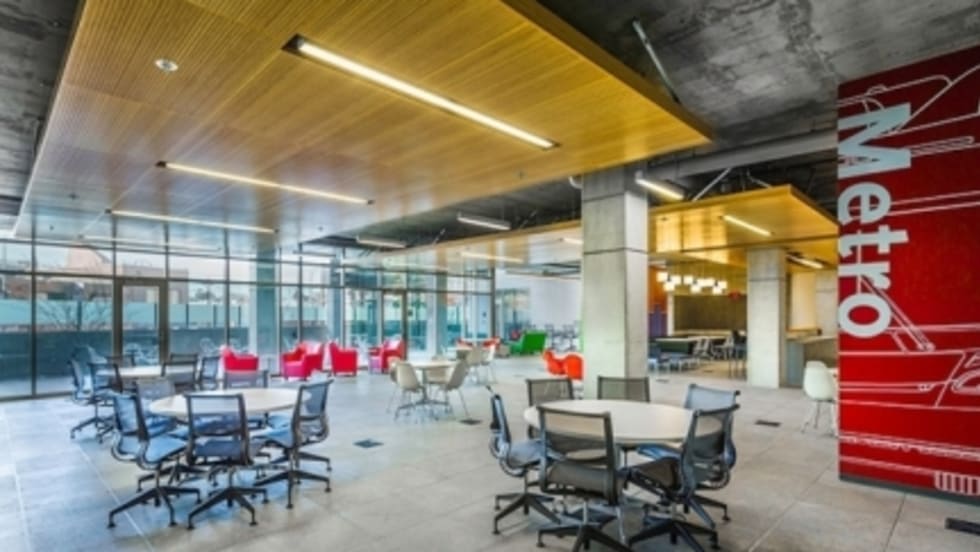
The Benefits of Taking a Leadership Role in Transit Workplace Well-Being
A health and wellness revolution is underway in America. Concurrently, there is a growing public health initiative to promote safer, more accessible recreation facilities and active transit options. Transit agencies are uniquely positioned in the overlap of these two movements. By promoting health and well-being, agencies have an opportunity to show leadership and innovation in a truly holistic approach to total worker health, while benefiting workforce productivity and happiness.
Read More →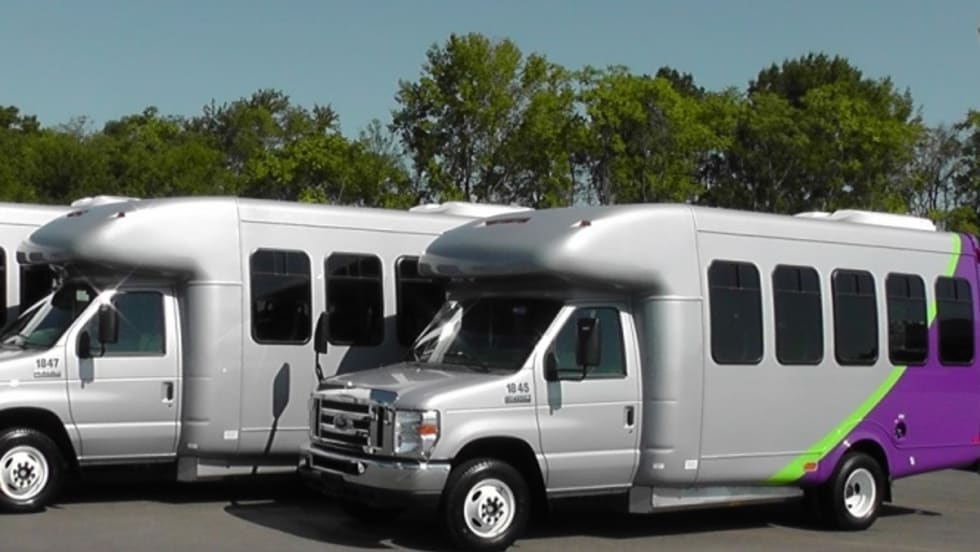
Va. transit fleet kicks off major CNG transition
GRTC is a member of the Virginia Clean Cities (VCC) coalition, which over the years has hosted a variety of workshops, webinars and other training opportunities for fleets interested in transitioning to CNG. Another coalition member — the City of Richmond — inaugurated its fleet of CNG refuse haulers in 2011, which set the stage for GRTC’s transition. View the YouTube video to see how VCC helped the city implement its CNG fleet.
Read More →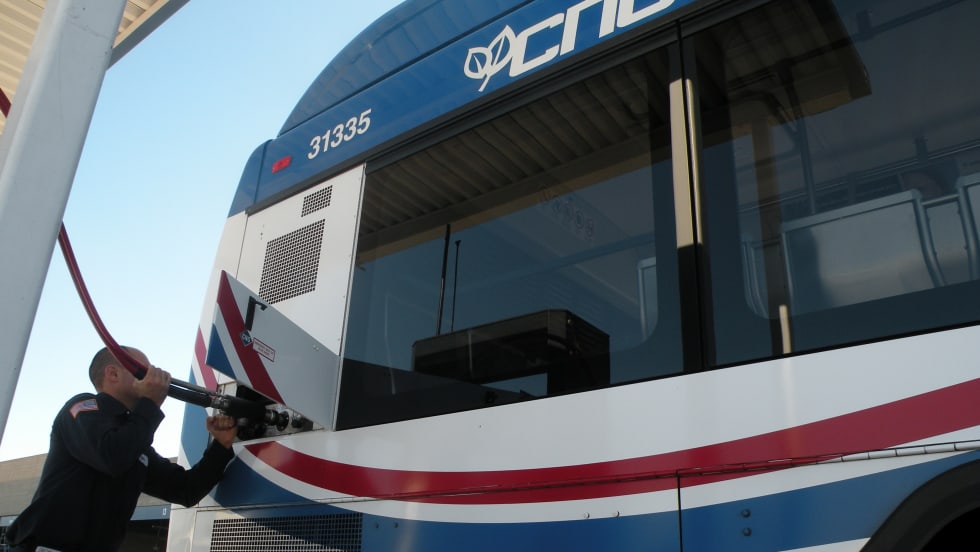
Riverside Transit Agency Buses Fill up on Natural Gas, Provide Free Rides for Students
A long-time champion of cleaner, greener technologies, the Riverside Transit Agency (RTA) has provided public bus service to California’s Western Riverside County since 1977.
Read More →