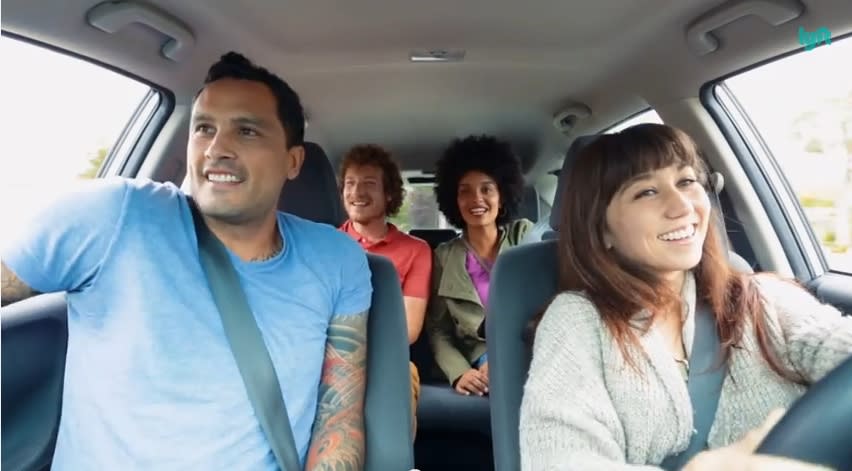
Can greenhouse gases be reduced by promoting ride sharing services and battery-electric vehicles? Could they sufficiently reduce vehicle miles traveled (VMT) to make a significant environmental impact? That’s what researchers at the Mineta Transportation Institute (MTI) wanted to know.
The report, which is especially relevant for transportation and environmental planners, was developed by Principal investigator, Caroline Rodier, PhD, working with Farzad Alemi and Dylan Smith.
“Our findings suggest that dynamic ridesharing, such as Uber and Lyft, could significantly reduce VMT and related greenhouse gas emissions if travelers are willing to pay with their time and money to use the dynamic ridesharing system,” Rodier said.
She noted that the combination of dynamic ridesharing, along with the transit-oriented development (TOD) and VMT Fee scenarios, suggests some policy combinations that may be more effective than dynamic ridesharing alone but perhaps more politically palatable.
“For example,” said Rodier, “a moderately used regional dynamic ridesharing with 10 percent increase in VMT fees may produce reductions in VMT on the order of 11 percent compared with a business-as-usual scenario in one horizon year.”
Changes could be greatest in faster growing areas The authors used the San Francisco Bay Area Metropolitan Transportation Commission’s activity-based microsimulation travel demand model for 2010. A business-as-usual (Base Case), transit-oriented development, and auto pricing (VMT Fee) scenarios are simulated with and without high, medium, and low dynamic ridesharing participation levels and battery electric vehicles (BEV) driving ranges.
Ad Loading...
Results of the BEV simulations suggest that TODs may increase the market for BEVs by less than 1% in the San Francisco Bay Area. In addition, auto pricing policies may increase the market by as much as 7%. However, it is possible that larger changes are feasible over time in faster growing regions where development is currently at low density levels (for example, the Central Valley in California). The VMT Fee scenarios show larger increases in the potential market for BEV by as much as 7%.
The Scheduling and Supply Studio provides the world’s first fully integrated platform for optimizing vehicle and driver availability to rider demand, said company officials.
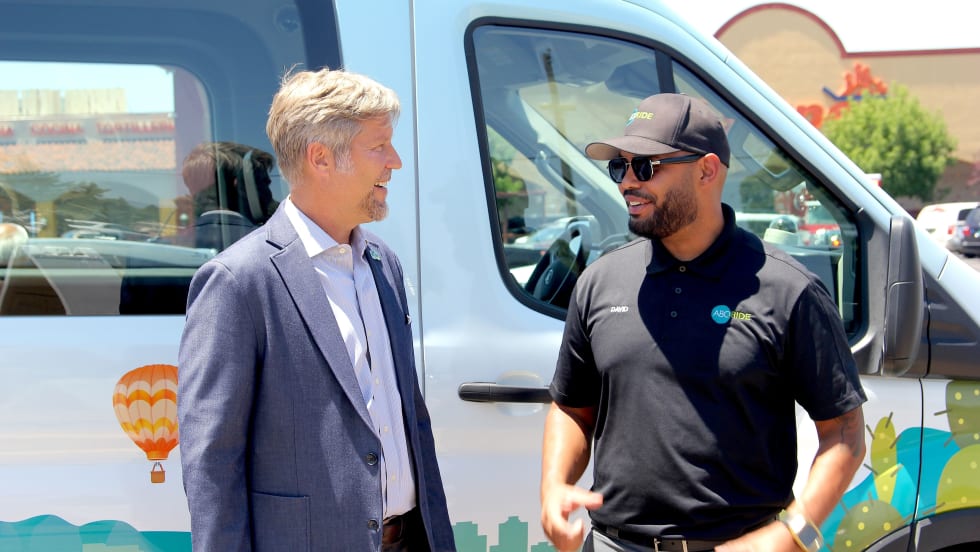
ABQ RIDE Forward is the first transit system overhaul in more than 25 years. This latest phase marks 15% completion of the 16-phase rollout, which will continue over the next several years.
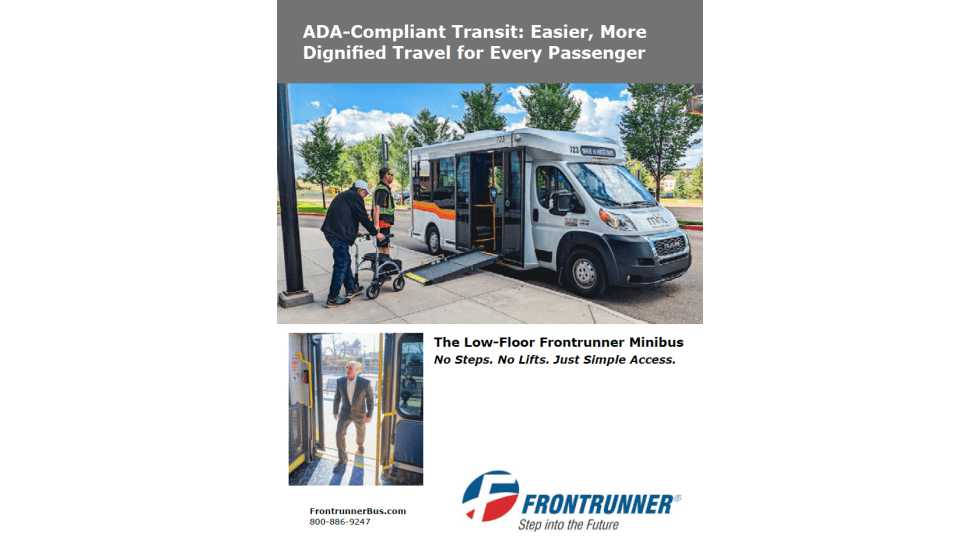
Today’s riders—and the communities you serve—expect more from public transit. While ADA compliance is required, leading transit agencies know that true accessibility also means delivering dignity, efficiency, and a better rider experience. This whitepaper reveals why forward thinking agencies nationwide choose the Low Floor Frontrunner as their first choice for ADA compliant vehicles—setting a new standard with passenger first design, faster boarding, improved safety, and unmatched operational performance.
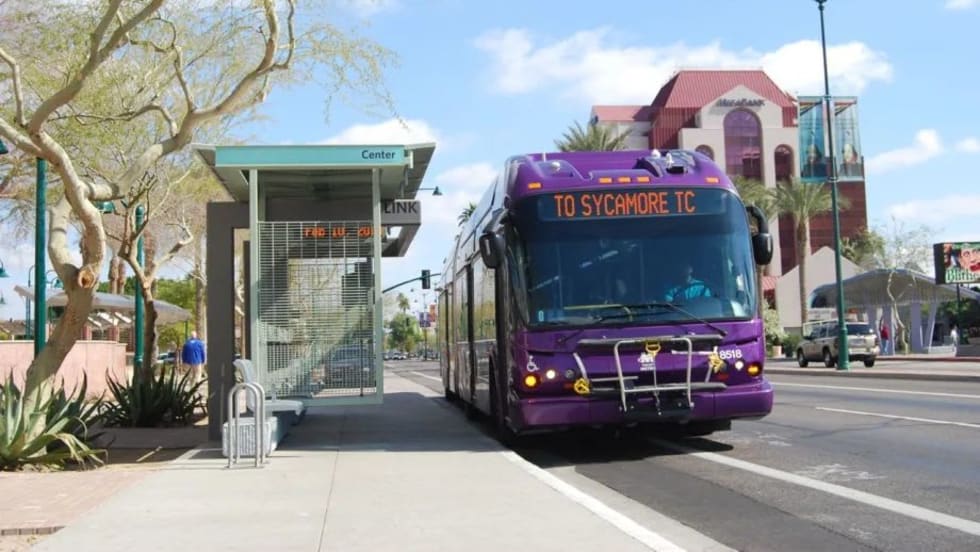
Under this extension, Keolis will continue to manage and operate fixed-route bus service across the East Valley, serving communities including Tempe, Mesa, Chandler, Scottsdale, the town of Gilbert, parts of Phoenix, and the Gila River Indian Community.
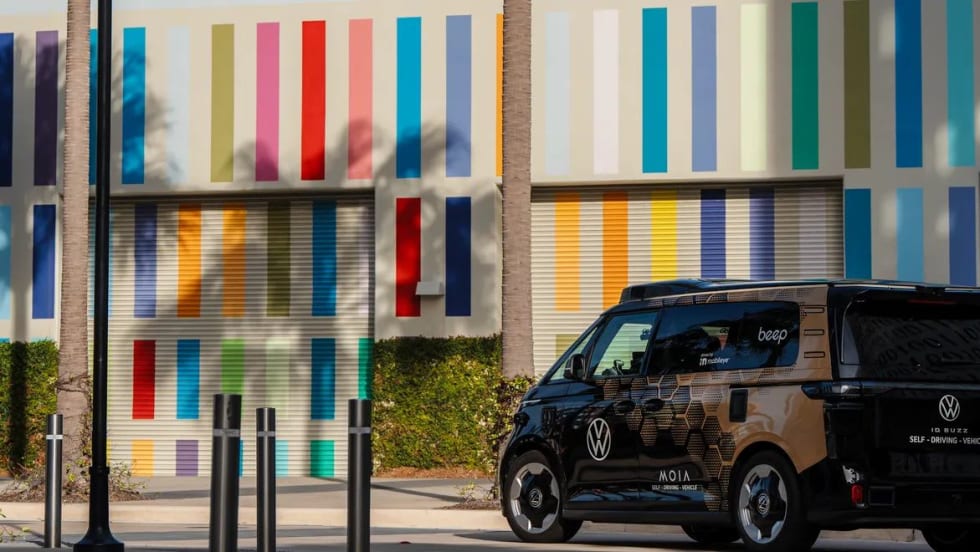
Through the strategic partnership, MOIA America will provide MOIA’s turnkey autonomous mobility solution. This includes purpose-built, autonomous-ready ID. Buzz vehicles equipped with the self-driving system developed by Mobileye, as well as operator training and enablement.
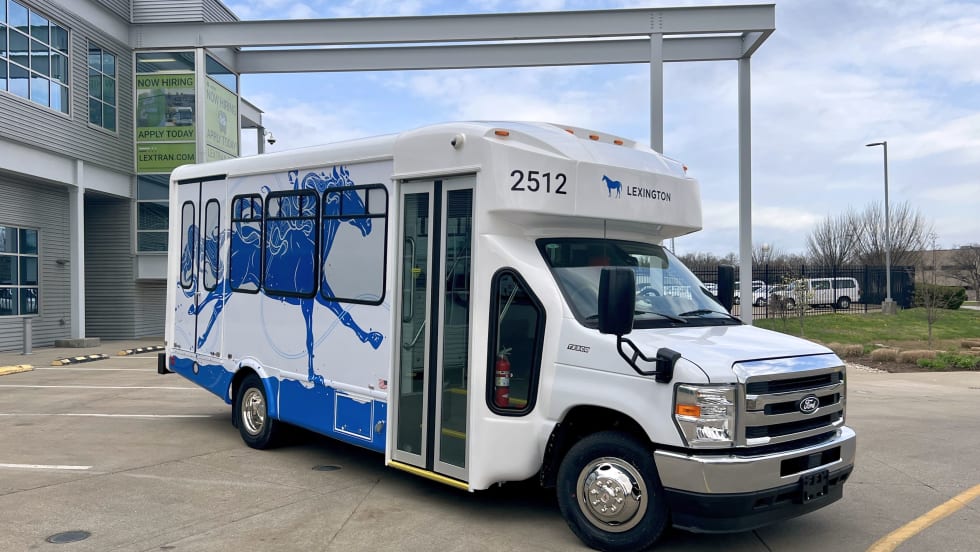
LexRide connects key destinations, including Downtown Lexington, the Distillery District, and the Warehouse Block/National Avenue area, making it easier to explore without worrying about parking, traffic, or multiple rideshare trips.