




Many transit operators are 'out of step' with the broader travel and transportation markets, where mobile is the growth channel and APIs make it easy to connect different travel services around a single app.
Many transit operators 'out of step' with travel, transportation markets
A new report suggests how operators can improve service, reduce costs, lift customer satisfaction and grow their bottom line.
January 17, 2019

Convenient booking/ticketing process, in-app payments were the top ranked features that riders look for in transit mobile apps, according to a new survey. Photo: Genfare
3 min to read

A new report examines key challenges facing the ground transportation and mass transit market and suggests how operators can improve service, reduce costs, lift customer satisfaction and grow their bottom line.
The survey, Modernizing the Passenger Experience in US Ground Transportation conducted by CellPoint Mobile, found Americans are taking more multi-modal trips and relying on mobile devices to seamlessly manage their end-to-end journeys. This poses a challenge for transit operators, as many lack a mobile app or support mobile ticketing and payments. The survey also found that many transit operators are 'out of step' with the broader travel and transportation markets, where mobile is the growth channel and APIs make it easy to connect different travel services around a single app.
Improving mobile technology to satisfy riders, drive revenues
The 'digital revolution' has significantly changed how Americans commute and travel – trendsetting Millennials and post-Millennials are most likely to use non-car transport (60% and 69% respectively, vs 50% average). For the typical rider ground transportation can be inconvenient and frustrating compared to consumer sectors that offer mobile solutions. Transit riders increasingly rely on mobile devices, and the failure of mass transit operators to provide mobile solutions is causing them to fall behind in the digital travel economy.

Key survey findings that directly impact mass transit usage, customer satisfaction and revenue, include:
Convenient booking/ticketing process, in-app payments: these were the top ranked features that riders look for in transit mobile apps, highlighting where operators should invest in new mobile technology solutions.
Fare discounts and easier payments: 40% of riders can be incentivized to download a transit app with fare discounts, followed by 34% of riders who want to make payments more easily.
Cash no longer king: One-third of riders (31%) say reducing the need to carry cash would incentivize them to download a transit app, illustrating how 'top of mind' payments are in the U.S.
New and alternative payments matter: 34% of riders say using alternative payment methods (APMs) such as Apple Pay or Google Pay is "Very" or "Extremely" important.
Multiple modes of transport: More than half (52%) of Millennials use 2-5 modes of transport per trip, highlighting the importance of new technology investments to support mobility-as-a-service.
Key takeaways that can help mass transit and ground transportation operators re-think revenue strategies, include:
Multi-modal trips are more common than assumed and rideshare plays a big role. Transit operators must consider the needs of multi-modal riders in their strategies.
Transit riders mirror the digital habits and expectations of the US population at large – they are increasingly mobile, primed for digital commerce, and receptive to retail-style experiential engagement.
Mobile ticketing and payments are core areas where operators can reduce costs, streamline transactions, improve customer satisfaction and grow revenues.
More New Mobility
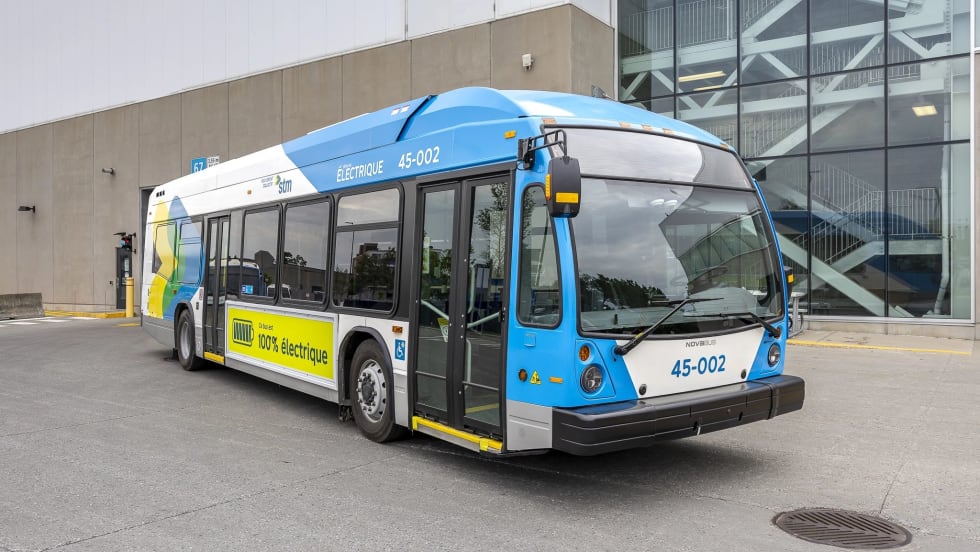
Biz Briefs: Montréal Debuts Nova Electric Buses and More
In this edition of Biz Briefs, we spotlight the latest developments shaping the future of mobility.
Read More →
6 Transit Management Lessons for Colleges and Universities Facing Seasonal Demand Swings
College transportation demand swings wildly throughout the year. Fleet strategies are starting to catch up.
Read More →
METROspectives: CharterUP CEO Armir Harris on Modernizing Mobility
From digital transformation to evolving customer demands, CharterUP's CEO Armir Harris offers his perspective on the transportation industry's next chapter.
Read More →
Joshua Schank on Transportation Innovation, Risk, and the Future of Mobility
In this edition of METROspectives, Joshua Schank discusses lessons from launching LA Metro’s Office of Extraordinary Innovation, the challenges of advancing new mobility technologies, and much more.
Read More →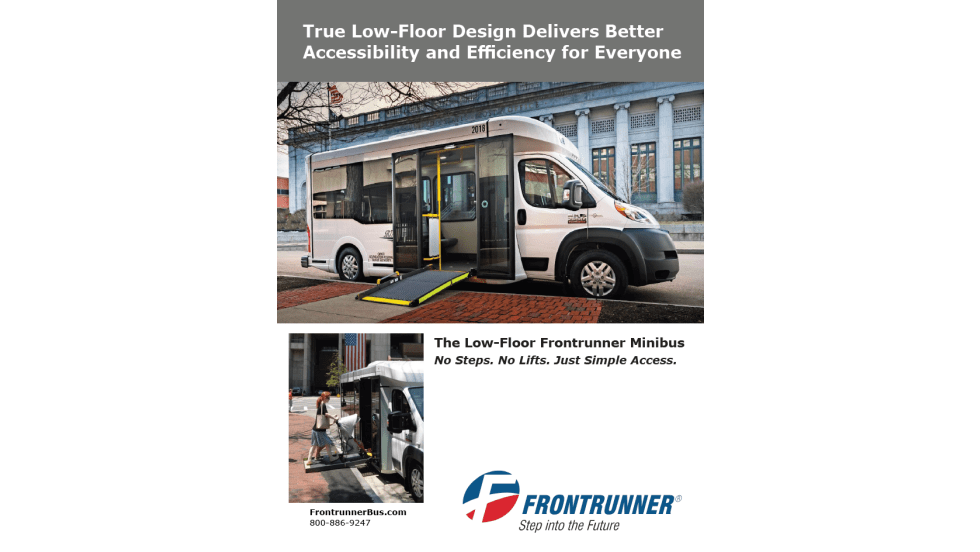
Sponsored•June 1, 2026
Low-Floor vs. High-Floor Cutaway vs. Modified Van: How 3 Accessible Minibus Designs Compare
As transit demands evolve, so should your fleet. Download the whitepaper to see how the Low-Floor Frontrunner Minibus compares to traditional options.
Read More →
Joshua Schank on Transportation Innovation, Risk, and the Future of Mobility
In this edition of METROspectives, the co-author of New Tricks for Old Bureaucracies, discusses lessons from launching LA Metro’s Office of Extraordinary Innovation, the challenges of advancing new mobility technologies, and much more.
Read More →
Biz Briefs: Foothill Gold Line Award, Matawan Contract, and More
From strategic partnerships to acquisitions and service expansions, the industry continues to evolve at a rapid pace. Find out all the latest here.
Read More →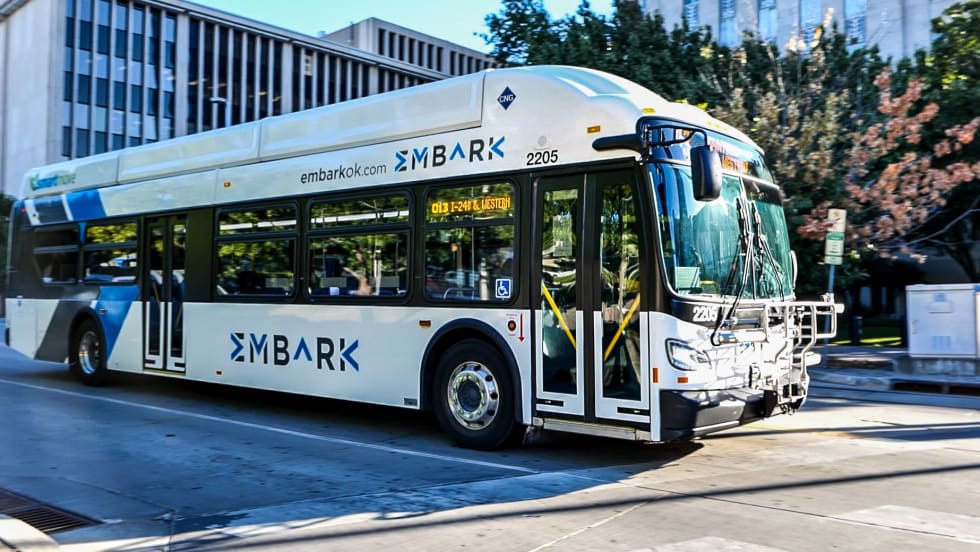
Inside Look: EMBARK Expands Fare-Free Transit Program Through New Public-Private Partnership
The OKC transit agency says sponsorship helps subsidize the Third Friday Free initiative while reducing barriers for first-time riders and boosting ridership across buses, streetcars, and river cruises.
Read More →
Sponsored•May 27, 2026
2026 METRO Buyer’s Guide & Directory
Searching for the right vehicles, technology, equipment, or services for your public transit or motorcoach operation? This industry guide brings together manufacturers and suppliers from across the transportation market — all in one place. Download it to connect with the companies that help agencies and operators improve mobility, enhance operations, and move their organizations forward.
Read More →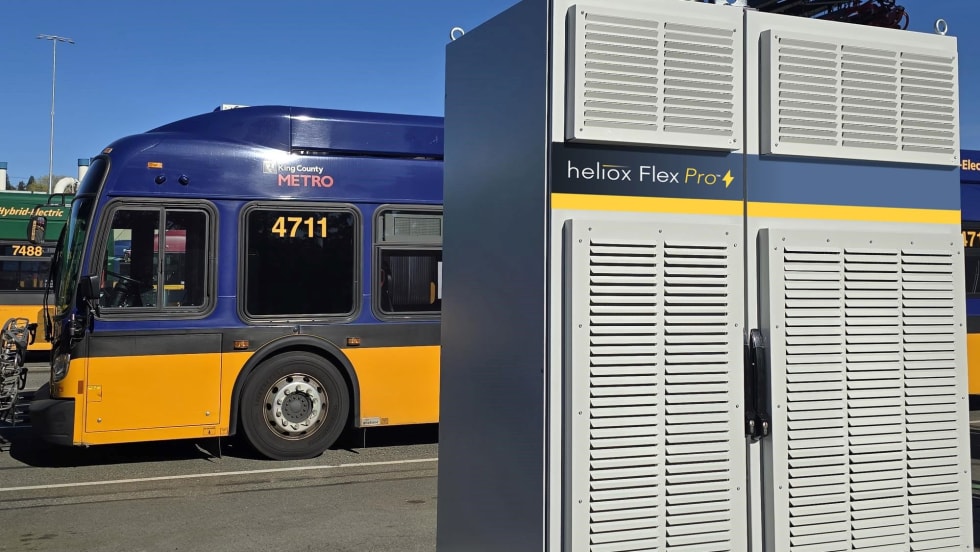
King County Test Heliox Chargers, Keolis Lands California Contract Top Biz Briefs
Stay informed with these quick takes on the projects and companies driving progress across the transportation landscape.
Read More →