



Report offers recommendations for safe micromobility
A new study by the International Transport Forum examines safety aspects associated with e-scooters and other micro-vehicles.


Micro-vehicles should be banned from sidewalks or subject to a low, enforced speed limit, according to recommendations. Jump
(This story originally ran in Feb., 18, 2020)
Electric scooters, e-bikes, motorized skateboards and other light personal mobility devices have become hugely popular for short trips. But is micromobility safe? A new report published by the International Transport Forum finds that:
E-scooter riders do not face significantly higher risk of road traffic death or injury than cyclists.
Motor vehicles are involved in 80% of fatal crashes with e-scooters and bicycles.
Traffic will be safer if e-scooter and bicycle trips replace travel by car or motorcycle.
The fast-paced evolution of micro-vehicles challenges governments to put in place safety regulations that are future-proof.
How can authorities help ensure that micro-vehicle riders and pedesrians will not become crash victims?
The report offers ten recommendations for policy makers, city planners, operators and manufacturers:
1. Allocate protected space for micromobility
Create a protected and connected network for micromobility. This can be done by calming traffic or by creating dedicated spaces. Micro-vehicles should be banned from sidewalks or subject to a low, enforced speed limit.
2. To make micromobility safe, focus on motor vehicles
The novelty of e-scooters should not distract from addressing the risk motor vehicles pose for all other road users. Where vulnerable road users share space with motor vehicles, speed limits should be 30 km/h or less.
3. Regulate low-speed micro-vehicles as bicycles
Micromobility can make urban travel more sustainable. To prevent over-regulation, low-speed micro-vehicles such as e-scooters and e-bikes should be treated as bicycles. Faster micro-vehicles should be regulated as mopeds.
4. Collect data on micro-vehicle trips and crashes
Little is known about micro-vehicles’ safety performance. Police and hospitals should collect accurate crash data. Road safety agencies should collect trip data via operators, travel surveys and on-street observation. The statistical codification of vehicle types must be updated and harmonised.
5. Proactively manage the safety performance of street networks
Many shared micro-vehicles posess motion sensors and GPS. These can yield useful data on potholes, falls and near crashes. Authorities and operators should collaborate to use them for monitoring and maintenance.
6. Include micromobility in training for road users
Training for car, bus and truck drivers to avoid crashes with micro-vehicle riders should be mandatory. Cycle training should be part of the school curriculum. Training programmes should be regularly evaluated and revised.
7. Tackle drunk driving and speeding across all vehicle types
Governments should define and enforce limits on speed, alcohol and drug use among all traffic participants. This includes motor vehicle drivers and micromobility users.
8. Eliminate incentives for micromobility riders to speed
Operators of shared micromobility fleets should ensure their pricing mechanisms do not encourage riders to take risks. By-the-minute rental can be an incentive to speed or to ignore traffic rules.
9. Improve micro-vehicle design
Manufacturers should enhance stability and road grip. Solutions could be found in pneumatic tires, larger wheel size and frame geometry. Indicator lights could be made mandatory and brake cables better protected.
10. Reduce wider risks associated with shared micromobility operations
The use of vans for re-positioning or re-charging micro-vehicles should be minimised, as they impose additional risks on all road users. Cities should allocate parking space for micro-vehicles close to bays for support vans.
The “Safe Micromobilty” study was carried out in the context of a project initiated and funded by the ITF Corporate Partnership Board (CPB). CPB projects are designed to enrich policy discussion with a business perspective. Led by the ITF, work is carried out in working groups consisting of CPB member companies, external experts and ITF researchers. The CPB member companies involved in this project were Bird, Bosch, Grin, Incheon Airport, Kapsch TrafficCom AG, Michelin, PTV Group, Toyota and Uber.
More New Mobility
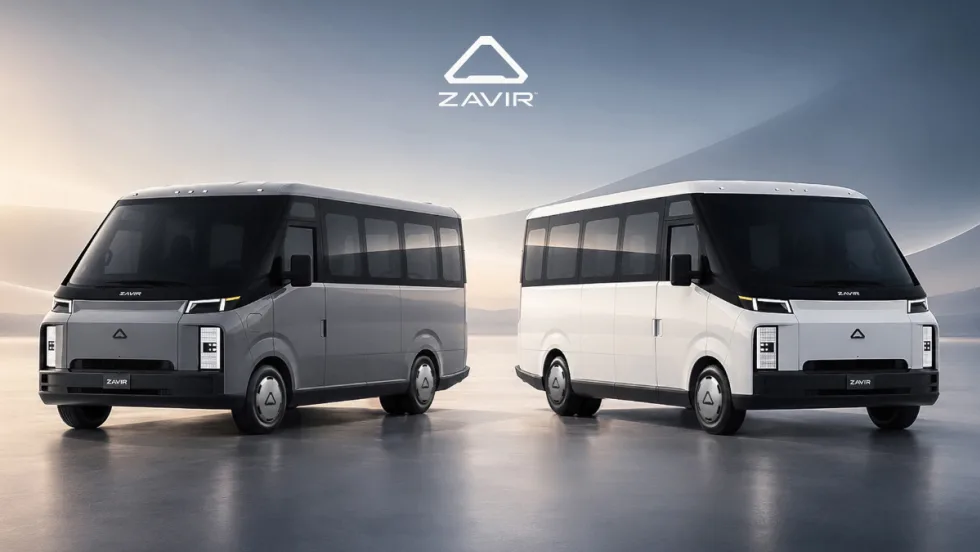
ENC Unveils ZAVIR Medium-Duty Electric Shuttle at APTA EXPO
The new ZAVIR brand targets shuttle and paratransit operations with battery-electric and range-extended electric vehicle options.
Read More →
Public Transit Conference Returning to GFX in 2027, Call for Papers Now Open
The Call for Papers is now open, allowing transit agency professionals and industry experts to help shape the PTC educational program by submitting session ideas for consideration.
Read More →
Everett Transit, Community Transit Outline Consolidation Agreement
The proposed agreement calls for a 50% increase in bus service in Everett, a new microtransit zone, continued paratransit service, and the transfer of Everett Transit operations to Community Transit.
Read More →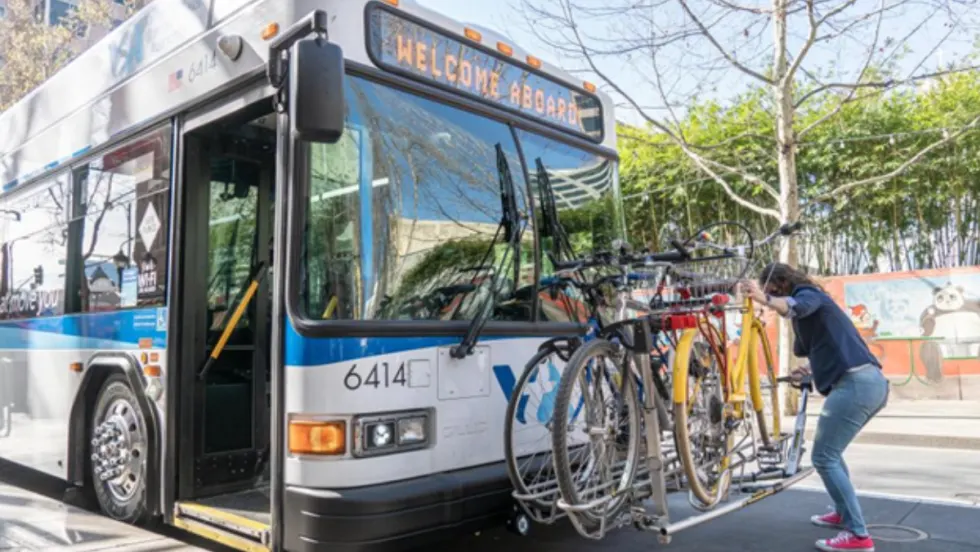
What Multimodal Data Can Tell Transit Agencies About Rider Demand
See how bike-on-bus data is giving transit agencies new insight into rider demand, capacity constraints, and gaps in first- and last-mile connections.
Read More →
From Hardware to Digital Partner: Luminator Charts Its Next Chapter
CEO Magnus Friberg discusses Luminator’s shift toward becoming a digital partner, the growing importance of software and interoperability, and how AI can help agencies improve operations and passenger experience.
Read More →
Biz Briefs: Alstom Lands Canadian Contract, LYT to Supply California TSP, and More
In METRO's latest installment, we take a look at recent news from Complete Coach Works, Beep, FlixBus, and more partnerships making headlines across the transportation sector.
Read More →
CharterUP’s Armir Harris on Technology, AI, and the Future of Group Mobility
In a recent episode of METROspectives, CharterUP Founder/CEO Armir Harris discussed the company’s evolution from an online charter bus marketplace into a technology platform supporting public- and private-sector mobility and much more.
Read More →
Jacksonville’s NAVI Project Charts a New Course for Autonomous Public Transportation
Through its NAVI program, JTA is showing how autonomous vehicles, intelligent infrastructure, and coordinated operations can work together to deliver everyday public transportation.
Read More →
Biz Briefs: Luminator Marks Milestone and More
From manufacturers and suppliers to transit agencies and motorcoach operators, these updates offer a snapshot of the projects, partnerships and business moves driving the industry forward.
Read More →
New Tricks for Old Bureaucracies: Joshua Schank on Making Transit Innovation Stick
Former LA Metro Chief Innovation Officer Joshua Schank discusses why good ideas aren't enough, how transit agencies can overcome resistance to change, and why today's challenges demand more innovation.
Read More →