




Related: Measure R sales tax adding 400K jobs, $80B to economy
480K L.A. residents gain transportation access from new projects
The findings are part of a report that shows dramatic improvements in the quality of life for the region between 2008 — when Los Angeles County voters approved Measure R — and 2015.
June 3, 2016

Prayitno
3 min to read
Prayitno
The Los Angeles County Metropolitan Transportation Authority (Metro) released a new report that shows dramatic improvements in the quality of life for the region between 2008 — when Los Angeles County voters approved Measure R — and 2015.
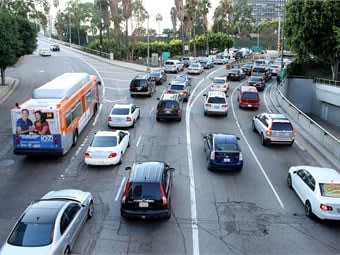
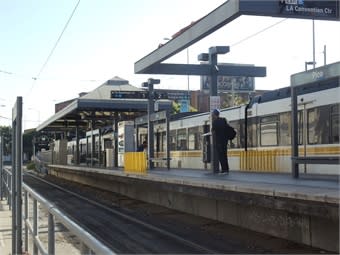
More than 480,000 L.A. County residents live within a half mile of several projects that have opened since 2009: the Expo Line’s first phase to Culver City, Gold Line extensions to East Los Angeles and Azusa and the Orange Line extension to Chatsworth. More than 22% of the county’s population now lives near Metro Rail, a Metro bus rapid transit (BRT) line or Metrolink commuter rail.
The report shows that new rail and BRT services provided access to more than 300,000 jobs in the region. Buses and trains now arrive on-time more frequently than before and transit travel times are faster than or similar to driving times along many rail and BRT routes.
“Today, residents across the county are experiencing a better quality of life by using rail and BRT services in significantly higher numbers and enjoying improved transit access to more jobs,” said Metro CEO Phillip A. Washington. “Thanks to Measure R, Metro can leverage local dollars to complete and win larger amounts of state and federal grants.”
Metro96
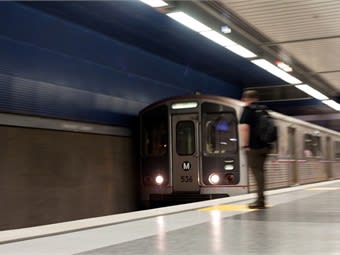
Highlights from the initial Quality of Life study show that since 2008, Metro has made great strides to improve customer service by providing a more reliable travel experience for its customers with buses arriving at their stops on time 13% more often with fewer equipment breakdowns.
Metro customers today now have better ways to communicate and connect over a variety of technology and social media platforms. Riders can now load transit fare onto their TAP cards via the internet and use their TAP cards to ride almost every transit service in Los Angeles County. They can access real time transit information using multiple apps for smart phones and they can interact with Metro on Twitter, Facebook, Instagram and the agency’s blog. The report shows customer satisfaction is up 5% from 83% in 2008 to 88% in 2015.
The study also shows that Metro services support many of the county’s most disadvantaged communities, providing low-cost transportation choices to help residents get to work, school, parks and other important destinations. A total of 31 new transit stations have opened with more than 60% of the population around those new stations being disadvantaged.
Metro also provides alternative transportation choices beyond transit including running the nation’s largest vanpool program and organizing carpools though an employer-based ride-matching program. The report shows that since 2008 annual vanpool trips have increased from 2.2 million to more than four million in 2014. Metro also funds door-to-door paratransit services for people with disabilities through Access Services with usage up 77% over the last four years. Wheelchair boardings on Metro’s regular bus service has increased from 489,850 boardings to more than one million in 2014.
VYCON
Metro has provided funding to vital bicycle and pedestrian facilities, connecting L.A. County to jobs, housing and transit. The county has 1,600 miles of bike lanes and bike paths, of which 930 miles have been built since 2008. The report also shows that 68% of Metro rail riders walk to trains with 4% riding bikes to rail stations. On the bus side, 83% of riders walk to bus stops with 5% using their bike. In Los Angeles County, 99% of the residents live near a bus stop — with 80% of residents living near a Metro bus stop.
Looking ahead, the report notes that thanks to the passage of Measure R, Metro has the tools to transform transportation in Los Angeles County with projects expected to create more than 425,000 construction jobs and labor income in excess of $27 billion. That is expected to benefit the local economy with $51 billion in direct spending on construction projects over a 30-year period, resulting in more than $80 billion in economic output.
More New Mobility

From Hardware to Digital Partner: Luminator Charts Its Next Chapter
CEO Magnus Friberg discusses Luminator’s shift toward becoming a digital partner, the growing importance of software and interoperability, and how AI can help agencies improve operations and passenger experience.
Read More →
Biz Briefs: Alstom Lands Canadian Contract, LYT to Supply California TSP, and More
In METRO's latest installment, we take a look at recent news from Complete Coach Works, Beep, FlixBus, and more partnerships making headlines across the transportation sector.
Read More →
CharterUP’s Armir Harris on Technology, AI, and the Future of Group Mobility
In a recent episode of METROspectives, CharterUP Founder/CEO Armir Harris discussed the company’s evolution from an online charter bus marketplace into a technology platform supporting public- and private-sector mobility and much more.
Read More →
Jacksonville’s NAVI Project Charts a New Course for Autonomous Public Transportation
Through its NAVI program, JTA is showing how autonomous vehicles, intelligent infrastructure, and coordinated operations can work together to deliver everyday public transportation.
Read More →
Biz Briefs: Luminator Marks Milestone and More
From manufacturers and suppliers to transit agencies and motorcoach operators, these updates offer a snapshot of the projects, partnerships and business moves driving the industry forward.
Read More →
New Tricks for Old Bureaucracies: Joshua Schank on Making Transit Innovation Stick
Former LA Metro Chief Innovation Officer Joshua Schank discusses why good ideas aren't enough, how transit agencies can overcome resistance to change, and why today's challenges demand more innovation.
Read More →
How DART's GoPass Is Redefining Regional Mobility
Serving 14 transit agencies, GoPass simplifies multimodal travel by allowing riders to plan, pay for, and manage an entire trip through one app.
Read More →
Biz Briefs: OCTA Taps Clean Energy for Hydrogen Station, Stadler to Supply Via Rail Vehicles, and More
From manufacturers and suppliers to transit agencies and motorcoach operators, these updates offer a snapshot of the projects, partnerships and business moves driving the industry forward.
Read More →CharterUP Expands Into New Mobility and Autonomous Transportation
Vice President of New Mobility Stephen Joos discusses how CharterUP is leveraging its nationwide transportation network, technology platform, and autonomous vehicle partnerships to expand into workforce mobility, campus shuttles, and transit solutions.
Read More →
METRO Magazine Announces 2026 Innovative Solutions Awards Winners
Projects Recognized for Advancing Mobility Through Technology, Accessibility, Workforce Innovation, and Operational Excellence
Read More →