



Alstom delivers 1,500th Citadis tram
Since it entered service, Citadis has continuously evolved to incorporate the latest technological innovations including the introduction of alternatives to overhead power lines.

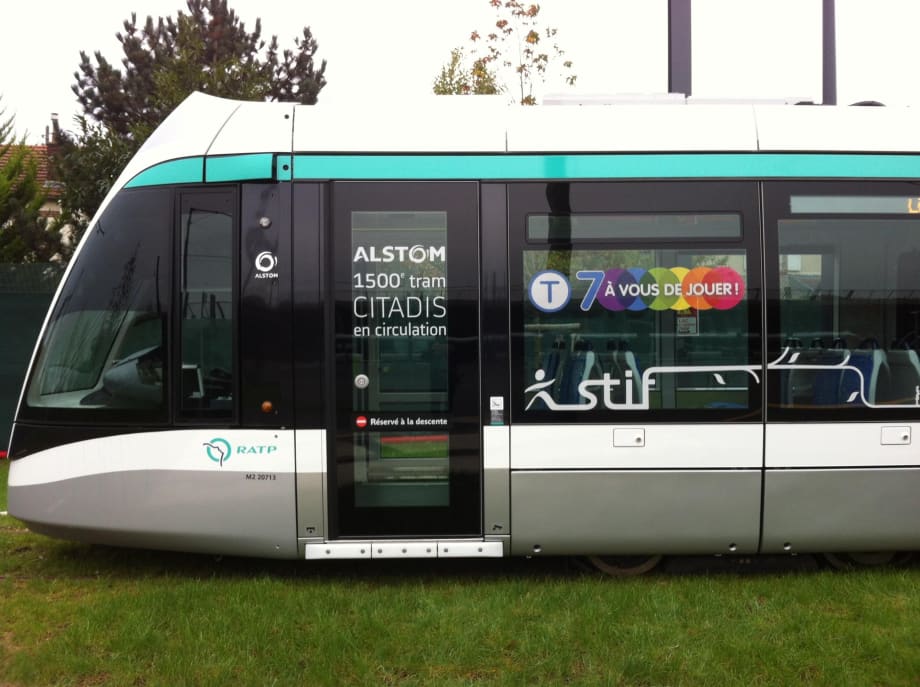

Alstom has supplied a total of 19 trams, each able to carry about 200 passengers, equivalent to more than three buses. The trams will operate on the T7 line, which links Villejuif with Athis-Mons and serves 18 stations. There are plans to extend the line further between Athis-Mons and Juvisy-sur-Orge.
STIF ordered the trams in February 2011 as part of a contract covering the supply of 39 Citadis trams for the T7 and T8 lines. The deal covered by the contract includes the potential for up to 70 trams.
Since it entered service in France, back in 2000, in Montpellier and Orléans, 1,500 Citadis trams have been delivered to 33 cities in France and abroad, the most recent being Tunis, Bordeaux and Tours. Ten cities are awaiting delivery of their Citadis trams, including Aubagne and Avignon in France and Dubaï and Cuenca abroad, with 226 trams set to be delivered in the next two years.
With several hundred possible configurations, Citadis trams meet the mobility needs of small towns and large cities alike. Since it entered service, Citadis has continuously evolved to incorporate the latest technological innovations including the introduction of alternatives to overhead power lines.
A great deal of effort has been put into making Citadis the most efficient, economical and environmentally-friendly solution possible. This includes increasing the trams’ maximum speed, the integration of permanent magnet motors, an optimization of the traction system to reduce energy consumption and making the trams highly recyclable by using materials designed to protect the environment.
The main tram assembly site is located in La Rochelle in France; other assembly sites are also located abroad to bring Alstom closer to the cities it serves.
More Rail
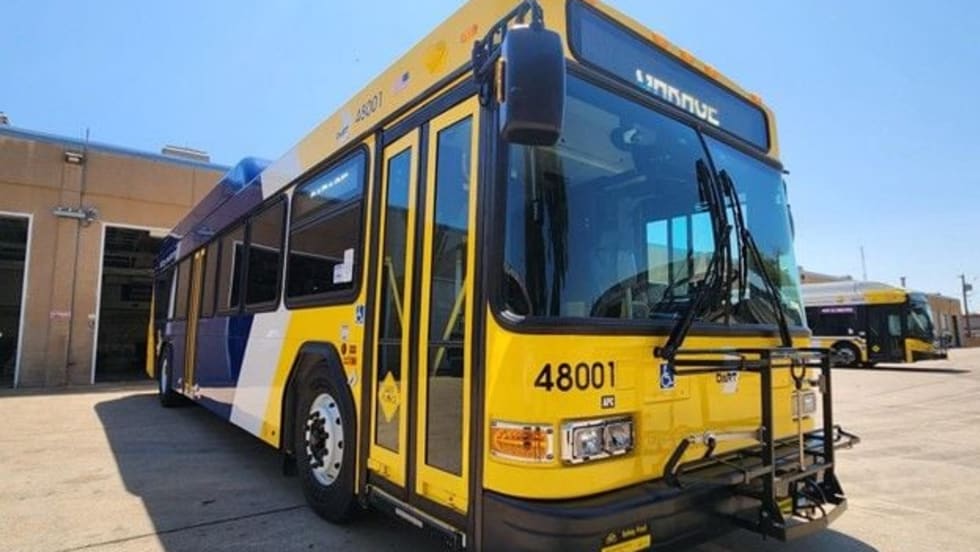
DART Customer Satisfaction Reaches Six-Year High
Overall satisfaction rose to 74.9%, while the agency’s Net Promoter Score reached a record 33.7.
Read More →
How DART's GoPass Is Redefining Regional Mobility
Serving 14 transit agencies, GoPass simplifies multimodal travel by allowing riders to plan, pay for, and manage an entire trip through one app.
Read More →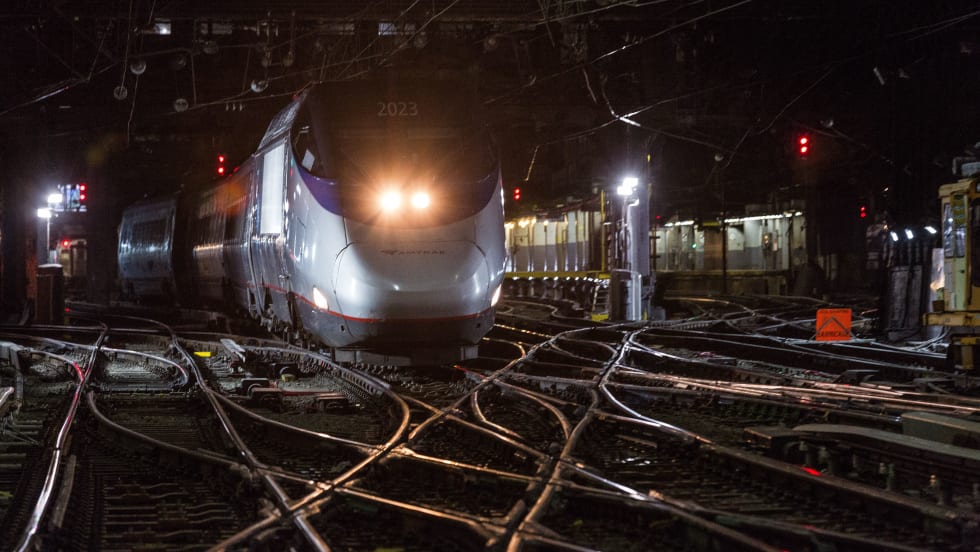
Amtrak Board Advances Plan to Restructure Organization, Seeks Public Input
The proposal, developed by Amtrak management and approved by the board for further consideration, is intended to modernize the organization's structure while improving accountability, operational efficiency, and customer service.
Read More →
Biz Briefs: STV teams with Amtrak, Motorcoach Operators Boost Fleet and Land Contracts, and More
From manufacturers and suppliers to transit agencies and motorcoach operators, these updates offer a snapshot of the projects, partnerships and business moves driving the industry forward.
Read More →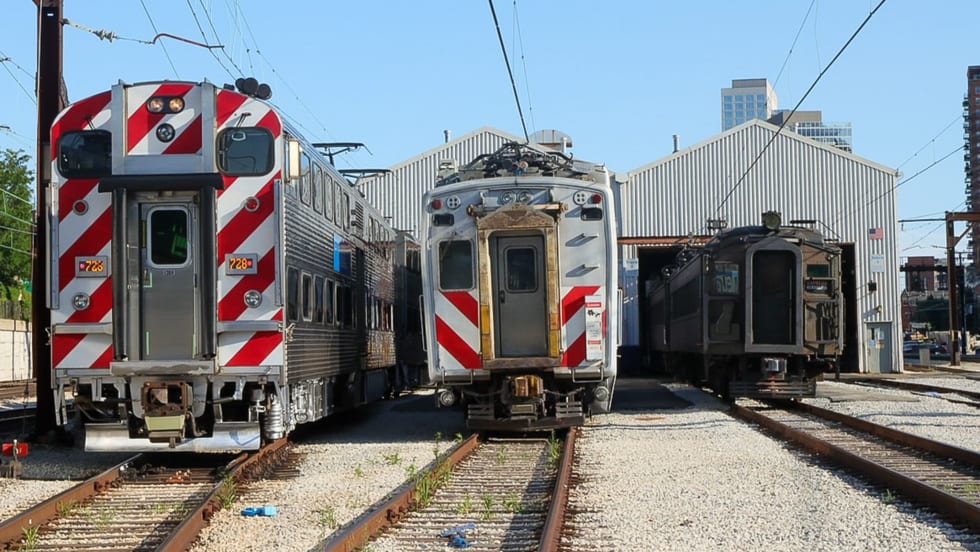
Metra Celebrates 100 Years of Electric Rail, Looks to the Future
The event was also a celebration of recent reforms to public transportation in the Chicago area, changes that could be as transformative in the future as the major civic achievement a century ago, said officials.
Read More →
LA Metro Marks Banner Year, Sets Ambitious Goals for New Fiscal Year
Incoming LA Metro Board Chair and Los Angeles Mayor Karen Bass joined outgoing Board Chair Fernando Dutra and LA Metro CEO Stephanie Wiggins to review accomplishments from fiscal year 2026, which included the opening of new rail extensions, advancement of major transit projects, expanded safety programs, and new rider amenities.
Read More →
DART Taps Nathaniel P. Ford Sr. as Next President/CEO
Since 2012, Ford has served as the CEO of the Jacksonville Transportation Authority
Read More →
California High-Speed Rail Authority Signs MOU to Advance High Desert Corridor
The agreement deepens collaboration between the California High-Speed Rail Authority and the High Desert Corridor Joint Powers Agency, supporting design integration, cost savings, and faster delivery of a key Southern California rail link.
Read More →
Building the Next Generation of Transit Technology
In this edition of METROspectives, Luminator CEO Magnus Friberg discusses the company's transformation, the growing role of AI and software, and what's next for transit technology.
Read More →
How Data, Strategy, and Community Engagement Are Reshaping Transit
In this edition of METROspectives, strada360 CEO Steve Lassey discusses how transit agencies can better align planning with operations, leverage data to improve decision-making, and build public trust as they prepare for the future of mobility.
Read More →