



Alstom receives order for 61 LRVs for Greater Toronto, Hamilton area
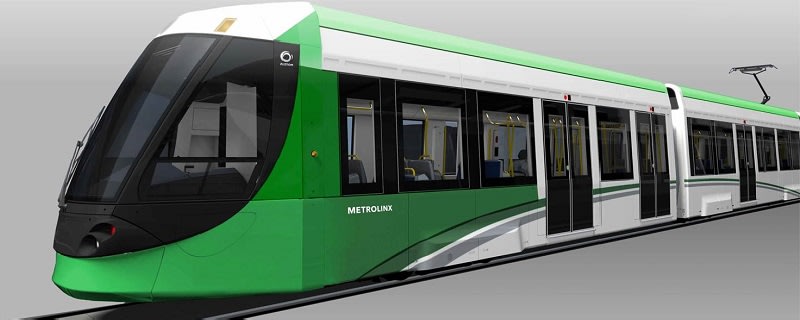
The Citadis Spirit is a 100% low-floor vehicle that offers easy accessibility from the street or the curb, and an interior layout featuring a wide central aisle and interior circulation that provide a safer and more enjoyable experience.

Alstom

Alstom
Alstom was awarded a firm order for the supply of 61 Citadis Spirit light rail vehicles for the Greater Toronto and Hamilton area (GTHA) by Metrolinx, an agency of the Government of Ontario. The value of the contract is approximately $387 million. The vehicle supply contract includes an option for additional vehicles.
Alstom will supply Metrolinx a Citadis Spirit, which has a passenger capacity of 321. The Citadis Spirit is a 100% low-floor vehicle that offers easy accessibility from the street or the curb, and an interior layout featuring a wide central aisle and interior circulation that provide a safer and more enjoyable experience.
The Citadis Spirit has been designed for the Canadian market, capable of operating in winter conditions up to -38°C. The vehicle is fitted with winterized solutions to ensure vehicle operational performance, as well as preserve passenger comfort and experience, such as reinforced insulation, powerful HVAC, and snow and ice management solutions. All materials used on the vehicles are selected and tested to ensure performances in extreme cold conditions.
Alstom is currently supplying 34 Citadis Spirit vehicles as per a 2013 contract for the City of Ottawa’s O-Train Confederation Line. Alstom has already assembled one-third of the fleet, which are in various stages of dynamic and static testing, from the Belfast Yard Maintenance and Storage facility in Ottawa. In March 2017, the Citadis Spirit vehicle achieved and surpassed commercial speed during dynamic tests along the Confederation Line alignment.
This latest contract with Metrolinx illustrates the success of Alstom’s strategy of customer proximity. Alstom is also supplying Metrolinx with a new Iconis control center to integrate the GO Transit network into a single, centralized facility, and a new signaling system for the Union Station Rail corridor. Furthermore, Alstom is providing a complete Communication-Based Train Control system for Toronto Transit Commission’s Line 1 subway line, including the Toronto-York Spadina Subway Extension.
More Rail
Amtrak, CN Reach Agreements to Strengthen Passenger Rail Service, Safety
The agreement resolves a more than decade-long proceeding before the Surface Transportation Board concerning the terms and conditions for Amtrak services, such as the City of New Orleans, Illini/Saluki, and Wolverine.
Read More →
New York MTA Advances Final Contract for Second Avenue Subway Expansion
Contract Four is the largest in the Second Avenue Subway Phase 2 project and includes construction of station infrastructure, tracks, and signals for the subway expansion, MTA officials said. Work on Contract Four will begin in 2027.
Read More →
San Diego MTS Breaks Monthly Trolley Ridership Record
Agency officials said July’s ridership indicates MTS’s continued recovery from the pandemic.
Read More →
Report Examines NJ TRANSIT Reliability, Funding Challenges
The Garden State Initiative analysis examines the roles of Amtrak infrastructure, fleet management, and agency operations while recommending a more performance-based approach to improving reliability.
Read More →
Stadler, CapMetro Sign Long-Term Rail Fleet Support Agreement
Beginning in 2027, Stadler will provide on-site technical expertise, spare parts support, training, and obsolescence management to help extend the reliability and longevity of CapMetro’s GTW fleet.
Read More →
Biz Briefs: Alstom Lands Canadian Contract, LYT to Supply California TSP, and More
In METRO's latest installment, we take a look at recent news from Complete Coach Works, Beep, FlixBus, and more partnerships making headlines across the transportation sector.
Read More →
CATS Gold Line Marks 5 Years of Service, 2.8M Passenger Trips
With a six-mile expansion planned, the Charlotte streetcar is positioned to connect more neighborhoods and major transit hubs across the region.
Read More →
Why Simulating Pedestrian Movement Has Become Essential for Modern Rail Stations
Pedestrian microsimulation is helping rail planners identify bottlenecks, test station designs, and prepare complex transit hubs for growing passenger volumes.
Read More →
Amtrak Begins Major Construction at New York’s Sunnyside Yard
The new maintenance facility will support Amtrak’s Airo trainsets while improving maintenance efficiency and turnaround times in New York.
Read More →
Chicago Leaders Unveil Plans for O’Hare Airport Express Train
The privately developed project would offer a 15-minute trip between downtown and O’Hare’s Terminal 2, with trains operating every 15 minutes on a dedicated track. The service would use battery-electric trains and three existing freight rail rights-of-way.
Read More →