




RELATED: Alstom's new computer-based interlocking system operating in Italy
Alstom to supply trains to the Midi-Pyrénées region
The Régiolis trains have been fitted with specific equipment such as passenger counting systems, dedicated storage space for bicycles and luggage, and front-panel displays showing the destinations.
August 5, 2015
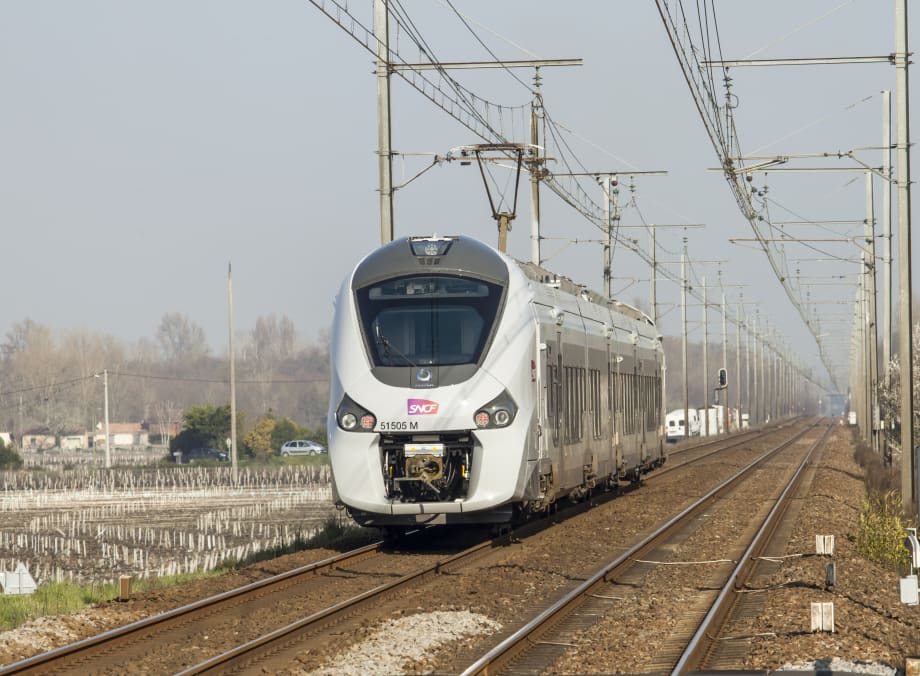
Photo: ©ALSTOM Transport TOMA – R. Nourry
2 min to read
Photo: ©ALSTOM Transport TOMA – R. Nourry
Alstom will supply 8 additional Régiolis (Coradia Polyvalent) to the Midi-Pyrénées region for a total of approximately $50 million, following an initial order for 25 Régiolis placed by the region in 2009.
The Régiolis, supplied here in their suburban version, are made up of four cars and have 50% more doors than their regional counterparts, facilitating passenger flow. Upon request by the Midi-Pyrénées region, these trains have been fitted with specific equipment such as passenger counting systems, dedicated storage space for bicycles and luggage, and front-panel displays showing the destinations.
The first Régiolis of the Midi-Pyrénées region entered commercial service in July 2014 on the lines that link Toulouse with Latour-de-Carol and Mazamet.
“This new order is excellent news for the French rail industry and for Alstom Transport’s sites in France. It symbolises the region’s renewed confidence in Alstom and its products," said Ana Giros, Managing Director Alstom Transport France.
Régiolis is part of Alstom’s Coradia range. With its modular architecture, it can be adapted to the requirements of every organising authority as well as to different types of use: suburban, regional and intercity. It is available in three lengths (56, 72 and 110 metres) and offers optimal passenger comfort, whatever the length of the journey. Régiolis is both ecological and economical thanks to its low energy consumption, its respect for the latest emissions norms when in operation and its reduced maintenance costs. Equipped with ERTMS1 technology, Régiolis is the first regional train in France to conform to all European standards.
To date, 226 Coradia Polyvalent trains have been ordered as part of the contract awarded to Alstom by SNCF in October 2009, of which 192 Régiolis by 12 French regions and 34 Coradia Liners by the French state, the organising authority for France’s Trains d’Equilibre du Territoire (TET) or intercity trains. Three million kilometres have already been covered by Régiolis in commercial service.
More Rail
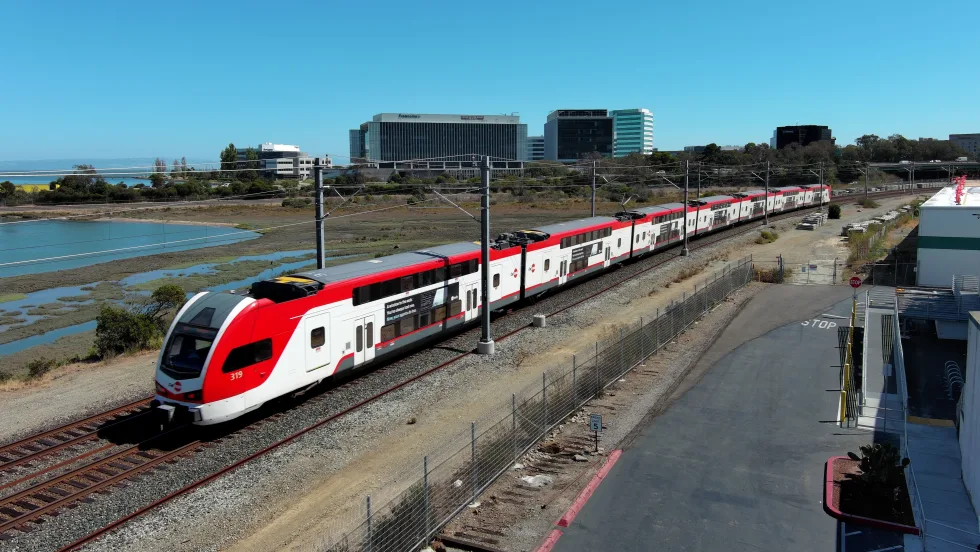
Caltrain’s Electrification Drives a New Era of Ridership Growth
The railroad’s shift to electric service has brought more frequent trains, stronger customer satisfaction, and increased ridership, earning it APTA’s Outstanding Public Transportation System award.
Read More →
FTA Advances $164M Broward County Commuter Rail Project
The proposed 10.5-mile commuter rail extension would connect Fort Lauderdale and Aventura, expanding passenger rail options in South Florida.
Read More →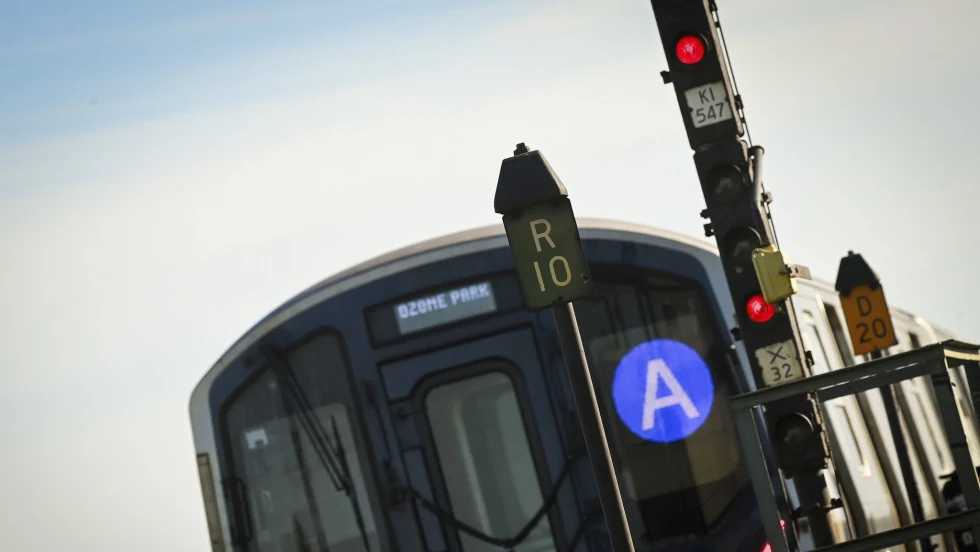
New York MTA Launches Historic $1.9B Signal, Track Modernization Project
Funded in part by congestion pricing revenue, the project will replace nearly century-old signals along the A and C lines in Brooklyn and Queens.
Read More →
LA Metro Breaks Ground on East San Fernando Valley Light Rail Project
The 6.7-mile line will add 11 stations along Van Nuys Boulevard, expand access to jobs and regional transit connections, and support Metro’s broader efforts to improve mobility as rail ridership grows.
Read More →
CSA Group Releases Climate Resilience Standard for Transit, Passenger Rail
Developed with support from the Standards Council of Canada, CSA D700 guides assessing climate-related risks and planning adaptation measures for transit and passenger rail systems.
Read More →
LA Metro September Ridership Climbs 3.9%, Led by Rail Growth
The agency recorded more than 27.2 million boardings, with rail ridership increasing 12.4% year over year and the D Line posting the largest gains.
Read More →
First Full MetroLink Rail Expansion Completed in 20 Years with $192M Airport Project
The project links two St. Louis-area airports by light rail while adding roadway and bike trail connections to improve regional access and mobility.
Read More →
Utilimarc Launches SmartReplace to Optimize Fleet Replacement Decisions
AI-powered SmartReplace helps fleets prioritize vehicle replacements, model budget scenarios, and build more defensible long-term strategies.
Read More →
Scenes from APTA TRANSform & EXPO 2026
Transit leaders, manufacturers, and industry professionals gathered in Chicago to explore new technologies, share ideas, and discuss the future of public transportation.
Read More →
USDOT Awards $416 Million for Florida Rail Crossing Safety Upgrades, New Brightline Station
The projects aim to reduce risks for motorists and pedestrians at rail crossings while expanding passenger rail access along Florida’s Space Coast.
Read More →