



Amtrak adds capacity as freeway closure continues to impact Santa Barbara County
Since train tracks reopened on Jan. 11, the Pacific Surfliner has served as the only viable ground transportation option between Ventura and Santa Barbara counties, as drive time on alternate routes between the two counties can take nearly four hours.


Due to the limited transportation options, Pacific Surfliner trains have been extremely busy, with demand exceeding available seating capacity.

The Amtrak Pacific Surfliner® added railcars to each of its 10 daily trains serving Santa Barbara County, providing more than 2,000 additional seats to help accommodate increased travel demand due to the continued closure of Highway 101 following landslides near Montecito, Calif.
Since train tracks reopened on Jan. 11, the Pacific Surfliner has served as the only viable ground transportation option between Ventura and Santa Barbara counties, as drive time on alternate routes between the two counties can take nearly four hours. The Pacific Surfliner travels between Ventura and Santa Barbara in approximately 45 minutes.
Due to the limited transportation options, Pacific Surfliner trains have been extremely busy, with demand exceeding available seating capacity. Extra railcars that had already been added to select Pacific Surfliner trains for the past two days using available equipment are being supplemented by the arrival of eight additional railcars and three locomotives from northern California, which will add up to 270 extra seats per train.
In response to the large influx of people commuting to Santa Barbara and Goleta by train during the closure of Highway 101, Santa Barbara MTD is providing free last mile service from the Santa Barbara and Goleta Amtrak Stations to area transit connections and employment centers.
The booster service will run Monday through Friday until further notice. All shuttles will run beginning with the first northbound train arrival mid-morning until 7 p.m.
More New Mobility
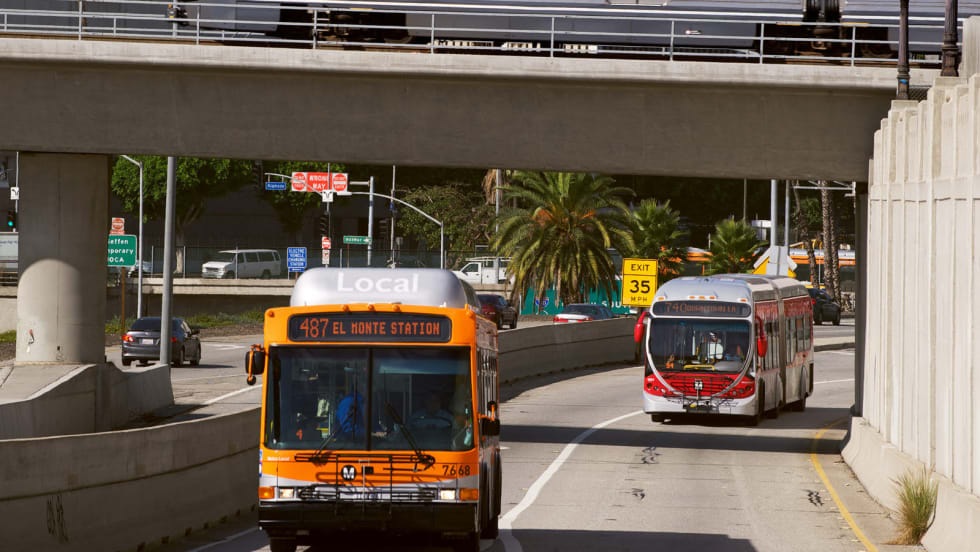
New Tricks for Old Bureaucracies: Joshua Schank on Making Transit Innovation Stick
Former LA Metro Chief Innovation Officer Joshua Schank discusses why good ideas aren't enough, how transit agencies can overcome resistance to change, and why today's challenges demand more innovation.
Read More →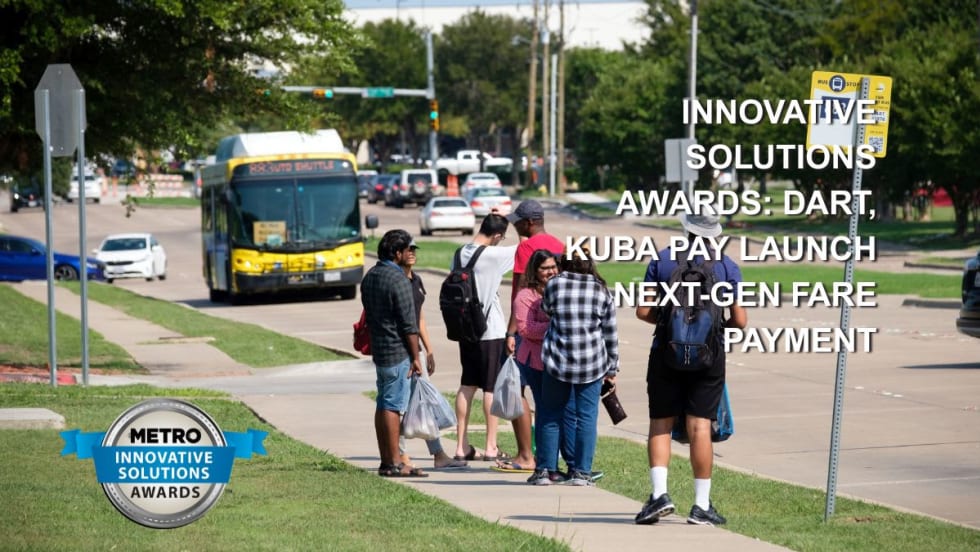
How DART's GoPass Is Redefining Regional Mobility
Serving 14 transit agencies, GoPass simplifies multimodal travel by allowing riders to plan, pay for, and manage an entire trip through one app.
Read More →
Biz Briefs: OCTA Taps Clean Energy for Hydrogen Station, Stadler to Supply Via Rail Vehicles, and More
From manufacturers and suppliers to transit agencies and motorcoach operators, these updates offer a snapshot of the projects, partnerships and business moves driving the industry forward.
Read More →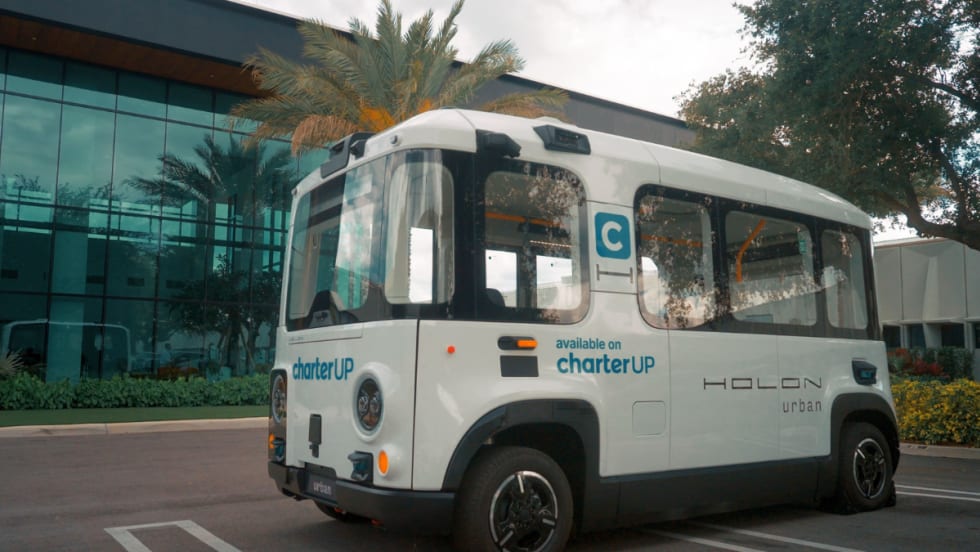
CharterUP Expands Into New Mobility and Autonomous Transportation
Vice President of New Mobility Stephen Joos discusses how CharterUP is leveraging its nationwide transportation network, technology platform, and autonomous vehicle partnerships to expand into workforce mobility, campus shuttles, and transit solutions.
Read More →
METRO Magazine Announces 2026 Innovative Solutions Awards Winners
Projects Recognized for Advancing Mobility Through Technology, Accessibility, Workforce Innovation, and Operational Excellence
Read More →
Biz Briefs: STV teams with Amtrak, Motorcoach Operators Boost Fleet and Land Contracts, and More
From manufacturers and suppliers to transit agencies and motorcoach operators, these updates offer a snapshot of the projects, partnerships and business moves driving the industry forward.
Read More →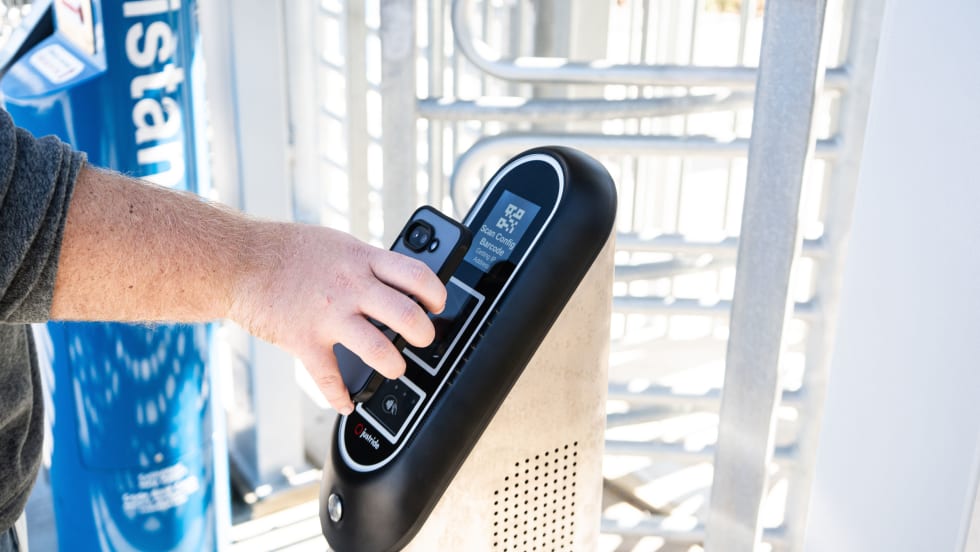
Biz Briefs: Masabi Teams with St. Louis Metro and More
In METRO's latest installment, we take a look at recent news from Transdev, Hitachi, and more partnerships making headlines across the transportation sector.
Read More →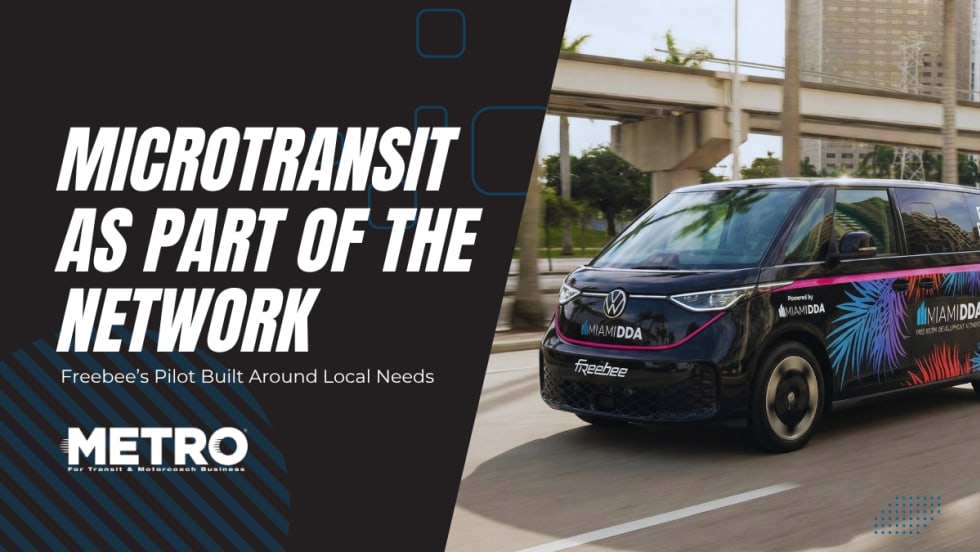
Microtransit's Next Test: Becoming Part of the Network
Freebee shows how electric microtransit is moving beyond pilots to fill network gaps, connect riders to transit, and prove lasting value.
Read More →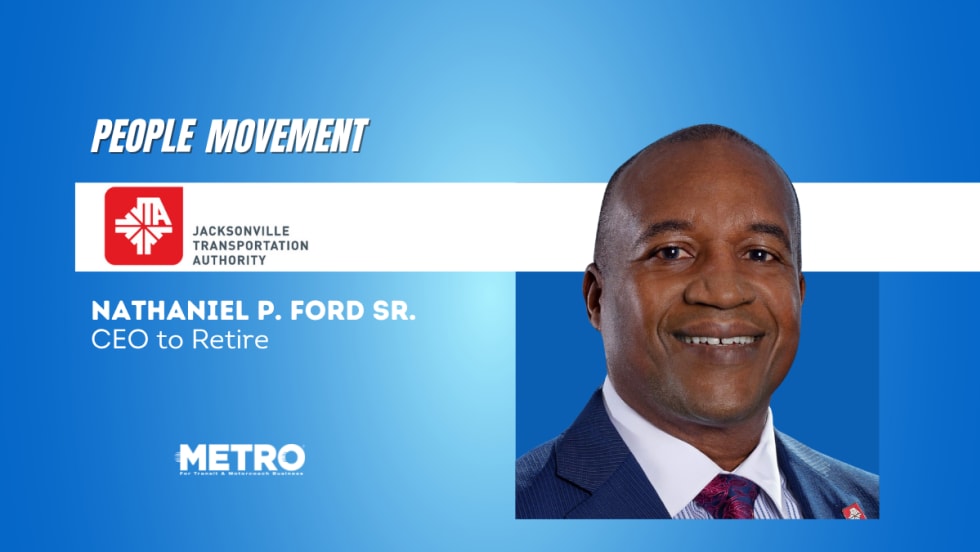
Ford to Leave JTA After More Than 10 Years as CEO
He plans to continue his work advancing innovative mobility solutions to improve the quality of life in communities across the nation. He did not announce specific plans.
Read More →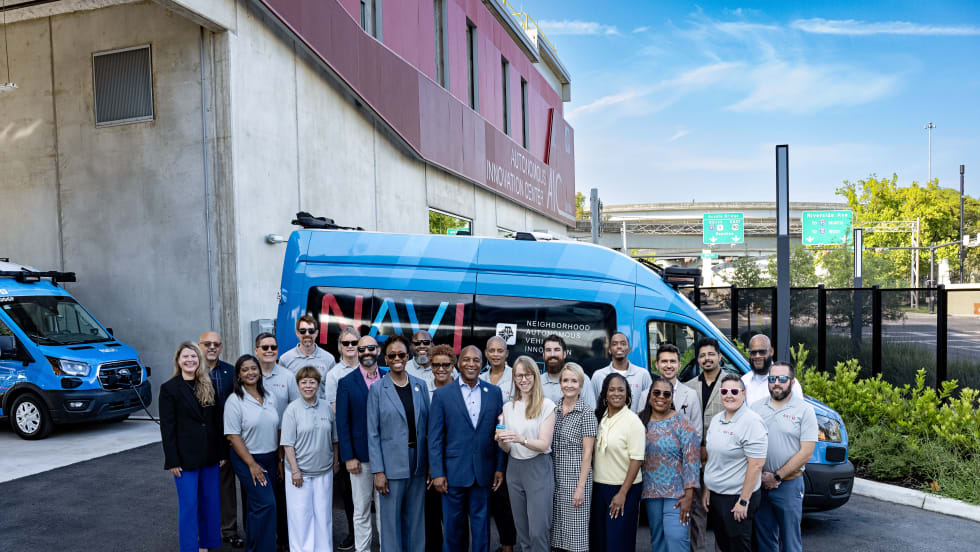
Florida's JTA Marks One Year NAVI Anniversary
During its first year of operation, NAVI has transported over 15,200 passengers and traveled more than 61,000 miles in autonomous mode without a safety incident caused by the autonomous driving system.
Read More →