



Amtrak calls for investigation of 2 freight operators
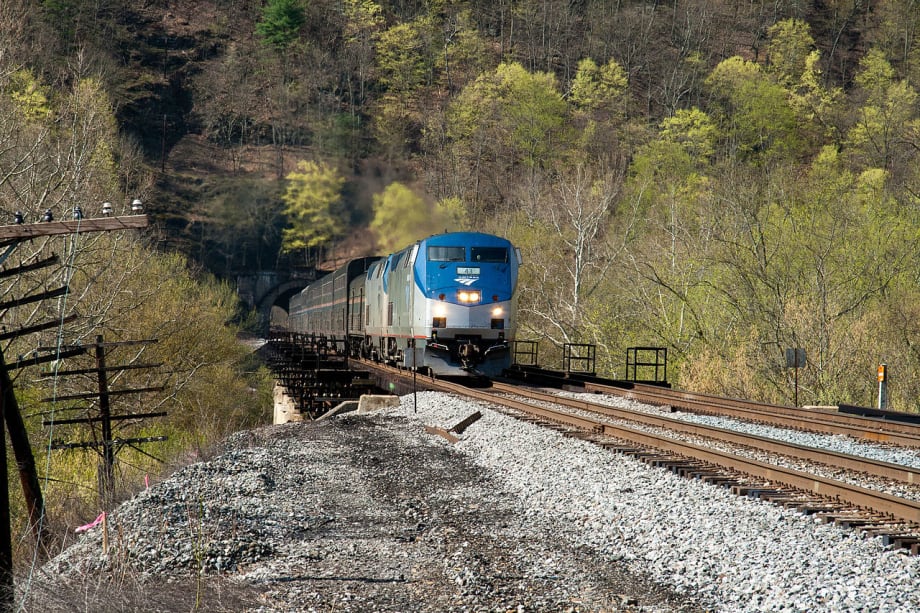
Agency says Norfolk Southern Railway and CSX Transportation are causing unacceptable delays for passengers traveling between Chicago and Washington, D.C., on the Capitol Limited service.

jpmueller99
Amtrak is taking this action under Section 213 of the Passenger Rail Investment and Improvement Act, which mandates the STB initiate an investigation upon the filing of a complaint by Amtrak if the on-time performance of an intercity passenger train falls below 80% for two consecutive quarters.
RELATED:Amtrak loses power to hold freight accountable for delays
In addition, under federal law, Amtrak has a statutory right to preference in the dispatching of intercity passenger trains before freight trains. Due to persistent excessive delays caused by NS and CSXT freight train interference, the OTP of the Capitol Limited at its endpoint terminals was 2.7% for the quarter ending Sept. 30, down from an already substandard 33.6% the previous quarter.
The delays are continuing as Amtrak had to provide bus transportation between Toledo and Chicago for six days in October to better accommodate passengers when Capitol Limited trains had often been eight to ten hours late.
Poor on-time performance creates a major disruption for Amtrak customers due to delayed trains and missed connections. It also negatively impacts Amtrak and state-supported services through decreased ridership, lost revenues and higher operating costs.
Amtrak has taken additional actions to help improve the OTP of passenger trains including filing an amended complaint with the STB seeking an investigation of Canadian National Railway for causing unacceptable delays for passengers on the Illini/Saluki service in Illinois; twice testifying before the STB about the poor OTP of Amtrak trains; and establishing a Blue Ribbon Panel of rail and transportation leaders to identify infrastructure and operational improvements to address rail traffic gridlock in Chicago.
More Management

Everett Transit, Community Transit Outline Consolidation Agreement
The proposed agreement calls for a 50% increase in bus service in Everett, a new microtransit zone, continued paratransit service, and the transfer of Everett Transit operations to Community Transit.
Read More →
Strada360’s Steve Lassey on Turning Transit Data Into Better Decisions
From breaking down data silos to preparing for AI, Strada360 CEO Steve Lassey discusses how transit agencies can use technology to improve operations, customer information, and long-term decision-making.
Read More →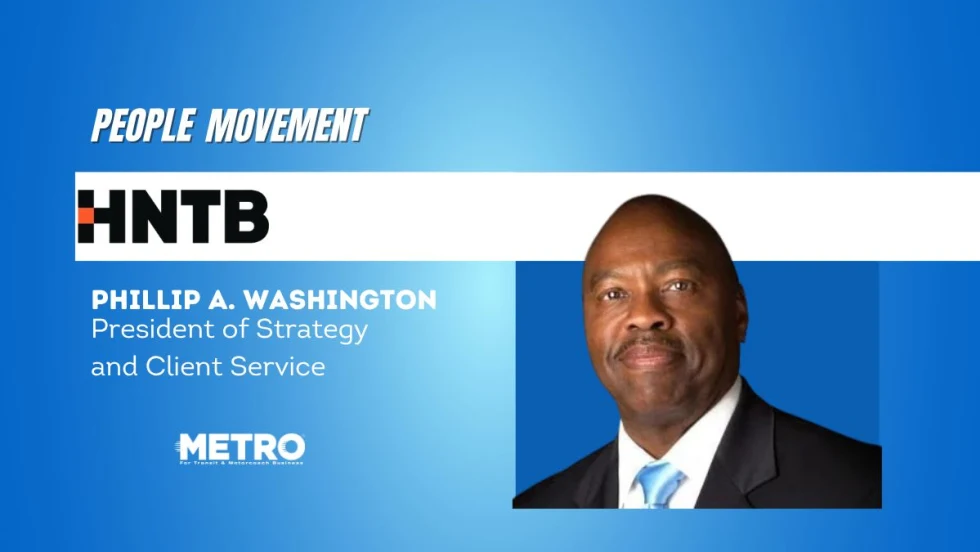
People Movement: Phil Washington Joins HNTB, Denver RTD Launches CEO Search, and More
In this edition, we also spotlight recent personnel moves at STV, the Eno Center for Transportation, and more, highlighting the people taking on new roles across the transportation industry.
Read More →

SEPTA Details Accelerate Vision for Transit System
The plan outlines investments in trolley modernization, new Metro and Regional Rail vehicles, accessible stations, and more frequent bus and rail service.
Read More →
FTA Ends Direct Oversight of MBTA Safety Actions
The federal agency closed its remaining special directive to the Massachusetts Department of Public Utilities following a safety review that began in 2022.
Read More →
Report: Transit Bus Manufacturing Supports 34,100 Jobs, $5.1B in GDP
The “Buses Mean Business” report examines the transit bus manufacturing industry’s economic footprint, supply chain, and rising demand for vehicle replacements.
Read More →
LIT Marks 10-Year Milestone at Annual Summit
Hosted by the COTA from September 10 to 13, the Summit carried the theme “Celebrating 10 Years of Excellence, Leadership, and Impact,” with every part of the program honoring the people, agencies, and partners who built LIT over its first decade.
Read More →
People Movement: Dan Dipert Coaches Adds Third-Generation Leader, Keolis Names New Valley Metro VP/GM, and More
In this edition, we also cover recent appointments and announcements at the Wabtec, SilverRide, HNTB, and more, showcasing the individuals helping to shape the future of transportation.
Read More →
METRO Opens Submissions for 2026 Motorcoach Awards
Nominations are now being accepted for METRO Magazine’s Operator of the Year and Innovative Operator of the Year awards.
Read More →
New York MTA Advances Final Contract for Second Avenue Subway Expansion
Contract Four is the largest in the Second Avenue Subway Phase 2 project and includes construction of station infrastructure, tracks, and signals for the subway expansion, MTA officials said. Work on Contract Four will begin in 2027.
Read More →