



Amtrak, Foes Differ on Future
Amtrak reported that it beat its business plan target by more than $2 million in the first quarter of fiscal year 2000, with total revenue up 8% to $476 million.

Amtrak reported that it beat its business plan target by more than $2 million in the first quarter of fiscal year 2000, with total revenue up 8% to $476 million. Amtrak has surpassed its business plan targets for two consecutive years. The business plan is its blueprint to meet Congress' mandate that the railroad become operationally self-sufficient by 2003. However, critics charge that these results aren’t good enough, and that they present a misleading snapshot of the railroad’s long-term financial health. They point to two independent reports released at the same time as Amtrak’s document. "We are keeping our commitment to Congress and the American people to run Amtrak like a business and we continue to achieve solid financial improvement," said Wisconsin Gov. Tommy Thompson, Amtrak's chairman of the board. Major train service showing significant improvement includes the Capitols (Oakland to Sacramento, Calif.), up 33% and Metroliner (New York to Washington, D.C.), up 7%. Amtrak also announced that its Acela Regional service between Boston and New York has been scheduled for Jan. 31. Acela Regional service will reduce travel times between Boston and New York from about five hours to just under four hours. "The launch of Acela Regional is another milestone in the high-speed program in the Northeast that will boost our ridership and revenue and positively impact the bottom line," added George Warrington, Amtrak's president and chief executive officer. To supplement its core passenger-related revenue, Amtrak is aggressively pursuing commercial opportunities that will help achieve operational self-sufficiency, such as in express package carriage, telecommunications and real estate development. All major business units beat business plan targets, causing Moody's Investor Services to raise the corporation's credit rating to A3. The rating firm said it did so based partly on "Moody's expectation that operational self-sufficiency will be achieved..." However, the General Accounting Office, the investigative arm of Congress, recently concluded that Amtrak’s report painted too rosy a picture. The GAO applied a standard corporate measurement, overall revenue minus overall expenses, including capital costs, to come up with a $907 million operating loss in 1999. The report of the Amtrak Reform Council, the watchdog group established by Congress in 1997 to advise lawmakers on what to do with the railroad, sided with the GAO. It said that private-sector standards are a better indicator of its self-sufficiency. Amtrak officials counter that standard accounting rules do not apply in this case because Congress does not require the railroad to cover the cost of equipment depreciation. Excluding depreciation, Amtrak concluded it was $484 million short of self-sufficiency in 1999.
More Rail
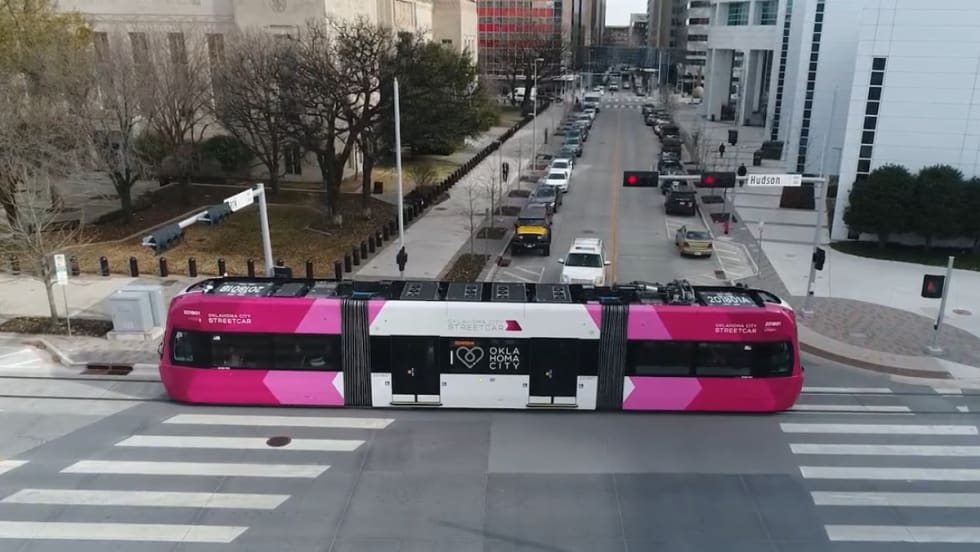
OKC Streetcar Makes Zero-Fare Service Permanent
Ridership increased an average of 71% compared with the same period a year earlier during the fare-free pilot.
Read More →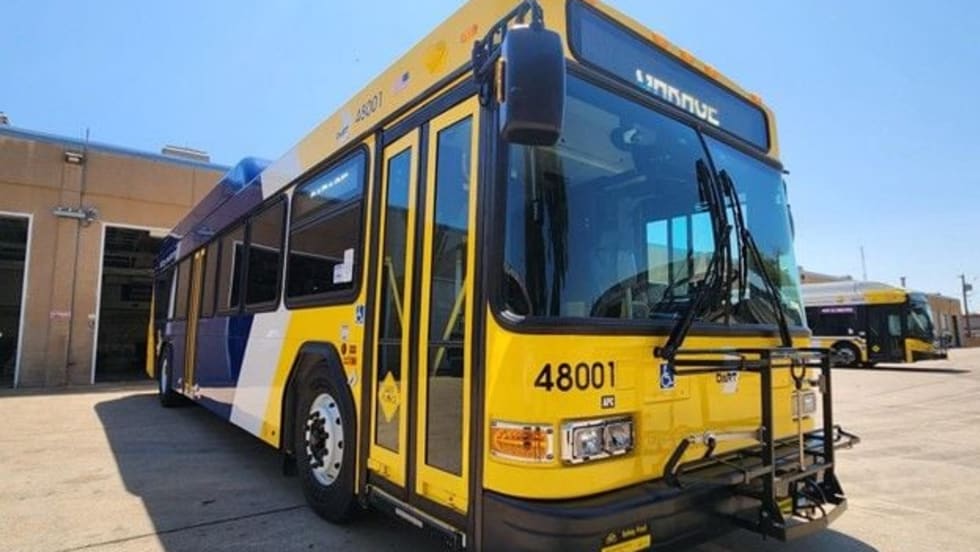
DART Customer Satisfaction Reaches Six-Year High
Overall satisfaction rose to 74.9%, while the agency’s Net Promoter Score reached a record 33.7.
Read More →
How DART's GoPass Is Redefining Regional Mobility
Serving 14 transit agencies, GoPass simplifies multimodal travel by allowing riders to plan, pay for, and manage an entire trip through one app.
Read More →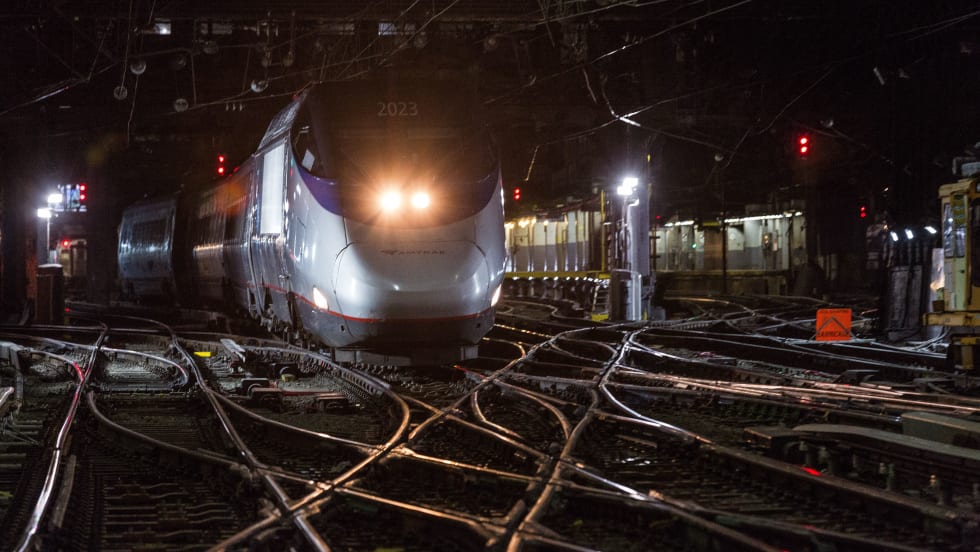
Amtrak Board Advances Plan to Restructure Organization, Seeks Public Input
The proposal, developed by Amtrak management and approved by the board for further consideration, is intended to modernize the organization's structure while improving accountability, operational efficiency, and customer service.
Read More →
Biz Briefs: STV teams with Amtrak, Motorcoach Operators Boost Fleet and Land Contracts, and More
From manufacturers and suppliers to transit agencies and motorcoach operators, these updates offer a snapshot of the projects, partnerships and business moves driving the industry forward.
Read More →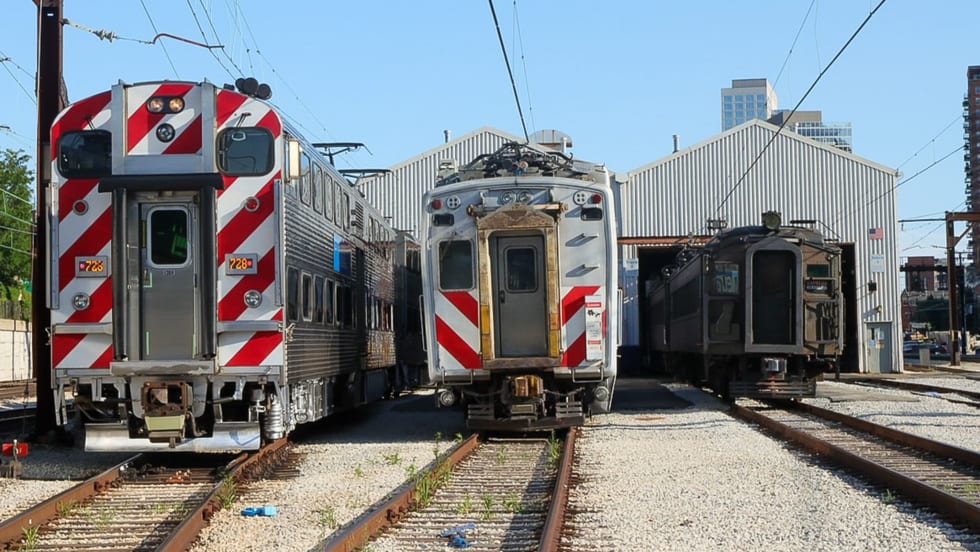
Metra Celebrates 100 Years of Electric Rail, Looks to the Future
The event was also a celebration of recent reforms to public transportation in the Chicago area, changes that could be as transformative in the future as the major civic achievement a century ago, said officials.
Read More →
LA Metro Marks Banner Year, Sets Ambitious Goals for New Fiscal Year
Incoming LA Metro Board Chair and Los Angeles Mayor Karen Bass joined outgoing Board Chair Fernando Dutra and LA Metro CEO Stephanie Wiggins to review accomplishments from fiscal year 2026, which included the opening of new rail extensions, advancement of major transit projects, expanded safety programs, and new rider amenities.
Read More →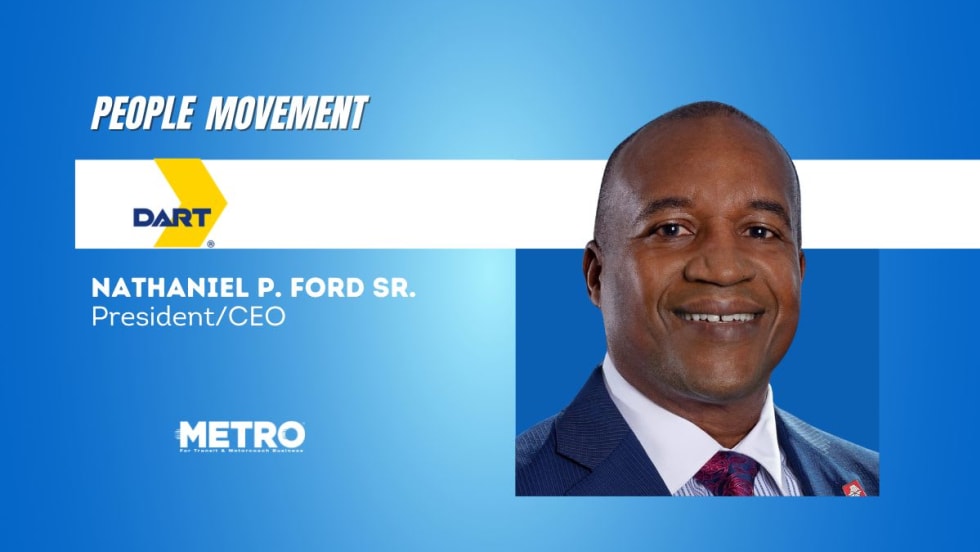
DART Taps Nathaniel P. Ford Sr. as Next President/CEO
Since 2012, Ford has served as the CEO of the Jacksonville Transportation Authority
Read More →
California High-Speed Rail Authority Signs MOU to Advance High Desert Corridor
The agreement deepens collaboration between the California High-Speed Rail Authority and the High Desert Corridor Joint Powers Agency, supporting design integration, cost savings, and faster delivery of a key Southern California rail link.
Read More →
Building the Next Generation of Transit Technology
In this edition of METROspectives, Luminator CEO Magnus Friberg discusses the company's transformation, the growing role of AI and software, and what's next for transit technology.
Read More →