



Amtrak Police launches new reporting solution
Txt-a-Tip will follow similar response procedures that are in place when a report is called into the Amtrak Police 800 number. Passengers can now simply report suspected criminal or suspicious activity by sending a text to APD11 from a smartphone or to 27311 from a standard cell phone.



The Amtrak Police Department (APD) is launching a new method for passengers and employees to report suspicious activity, crime or emergencies by introducing APD11 "Txt-a-Tip," a program that allows contacting the Amtrak Police Department's National Communications Center via SMS text messaging.
"Contacting the Amtrak Police Department by text is another tactic in our multi-layered approach to protecting America's Railroad," said Amtrak Police Chief Polly Hanson. "Our passengers and frontline employees provide an extra line of defense by being an additional set of eyes and ears while in or around our stations, trains, facilities or right-of-way, and now they can report crime or suspicious activity in a convenient and discreet method, by text message."
Txt-a-Tip will follow similar response procedures that are in place when a report is called into the Amtrak Police 800 number. Passengers can now simply report suspected criminal or suspicious activity by sending a text to APD11 from a smartphone or to 27311 from a standard cell phone.
When a text is received, the sender will receive a message acknowledging the report and will then be connected to a live Amtrak Police communications officer who will correspond directly via text message with the person to learn more about the situation and determine the appropriate action.
This initiative is part of a continued effort by Amtrak to provide additional communication options for passengers and employees who are deaf or may have hearing loss, allowing easy and efficient communication of emergency information to the APD.
Amtrak has explosive detection and vapor wake K-9 teams; trained employees to identify potential security risks; random passenger and baggage screenings; and developed strong partnerships with local, state, federal and international law enforcement agencies.
Watch a video demonstrating how the tool works here.
More Management
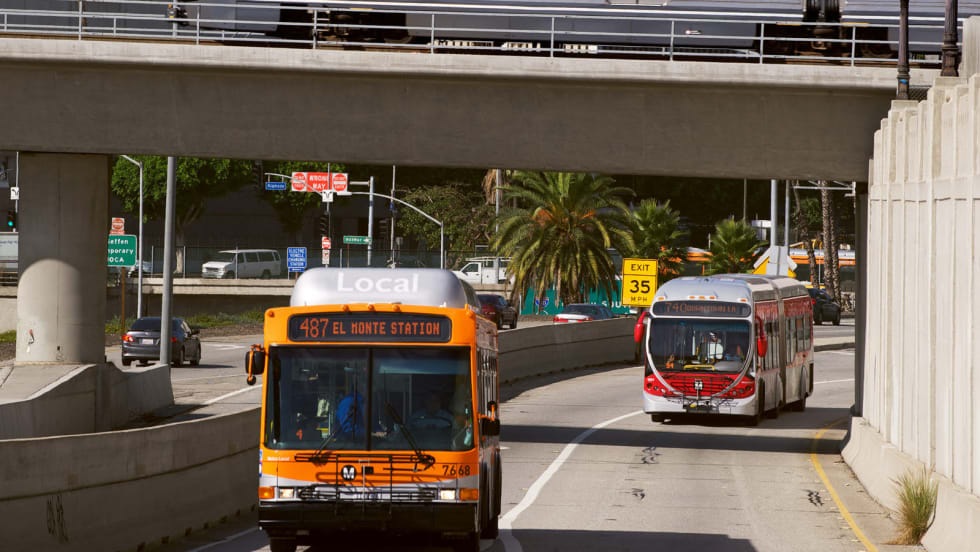
New Tricks for Old Bureaucracies: Joshua Schank on Making Transit Innovation Stick
Former LA Metro Chief Innovation Officer Joshua Schank discusses why good ideas aren't enough, how transit agencies can overcome resistance to change, and why today's challenges demand more innovation.
Read More →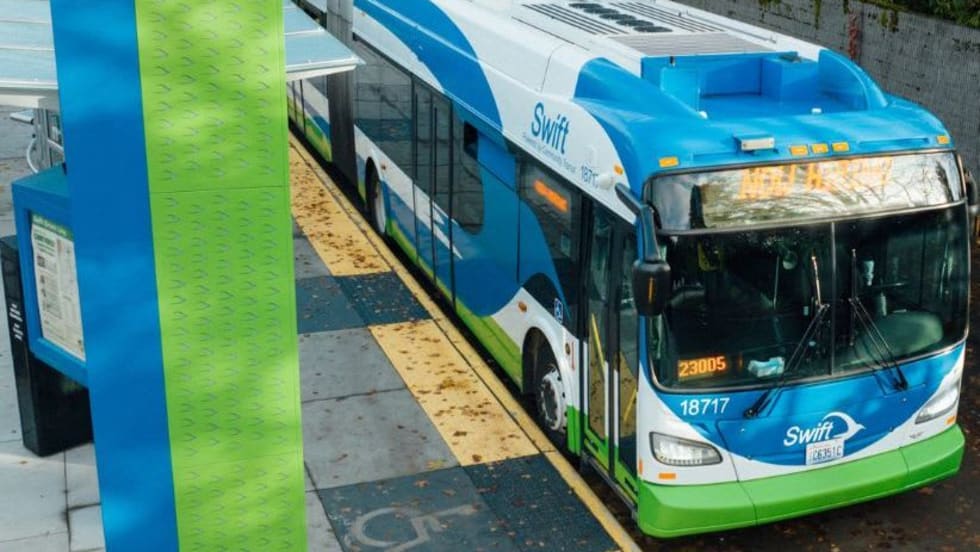
Washington's Community Transit Sets Six-Year Roadmap for Growth, Expansion
Approved TDP targets more bus service, new mobility options, Swift BRT expansion, and a potential Everett Transit annexation.
Read More →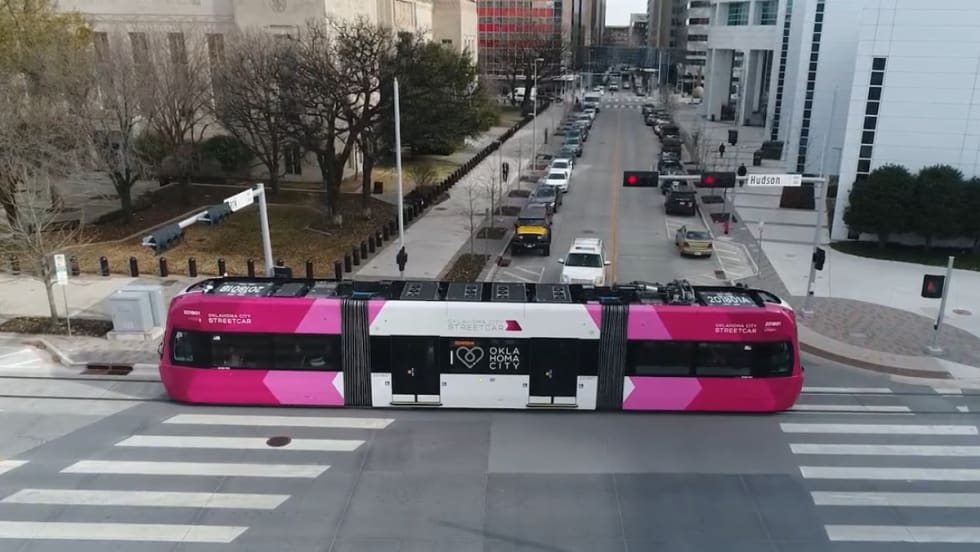
OKC Streetcar Makes Zero-Fare Service Permanent
Ridership increased an average of 71% compared with the same period a year earlier during the fare-free pilot.
Read More →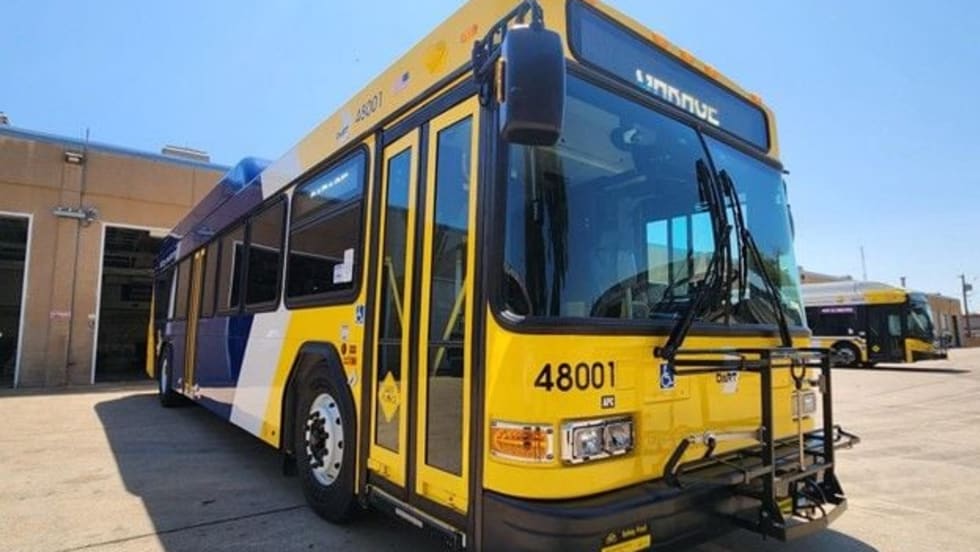
DART Customer Satisfaction Reaches Six-Year High
Overall satisfaction rose to 74.9%, while the agency’s Net Promoter Score reached a record 33.7.
Read More →
House Surface Transportation Bill Advances as Transit Funding Debate Intensifies
A bipartisan transportation package moving through Congress could redefine how the U.S. funds highways, transit, and motorcoach travel, while igniting new fights over electrification, regulation, and federal priorities.
Read More →
How Data, Strategy, and Community Engagement Are Reshaping Transit
In this edition of METROspectives, strada360 CEO Steve Lassey discusses how transit agencies can better align planning with operations, leverage data to improve decision-making, and build public trust as they prepare for the future of mobility.
Read More →
Amtrak Board Advances Plan to Restructure Organization, Seeks Public Input
The proposal, developed by Amtrak management and approved by the board for further consideration, is intended to modernize the organization's structure while improving accountability, operational efficiency, and customer service.
Read More →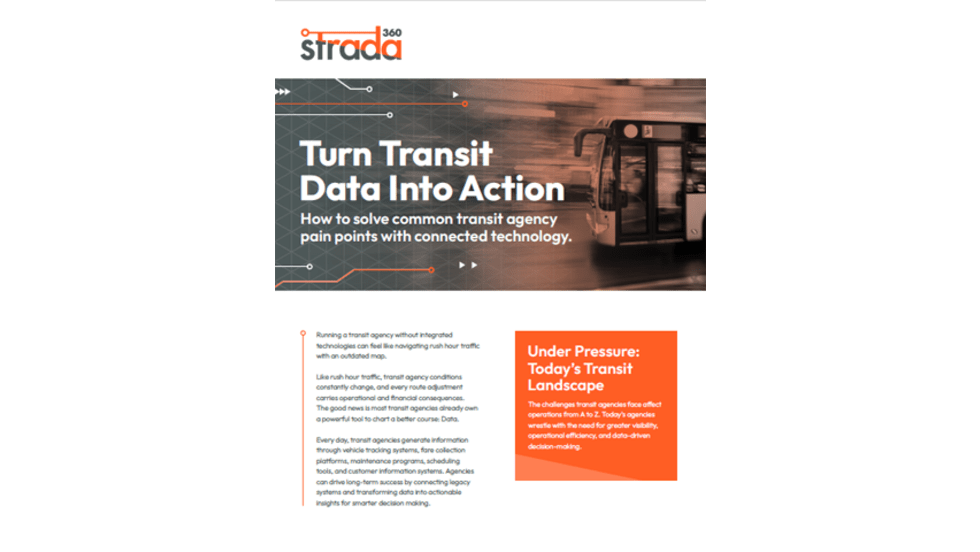
Turn Transit Data Into Action
Discover how leading agencies are using connected technology to gain real-time visibility across operations, improve service reliability, and reduce disruptions.
Read More →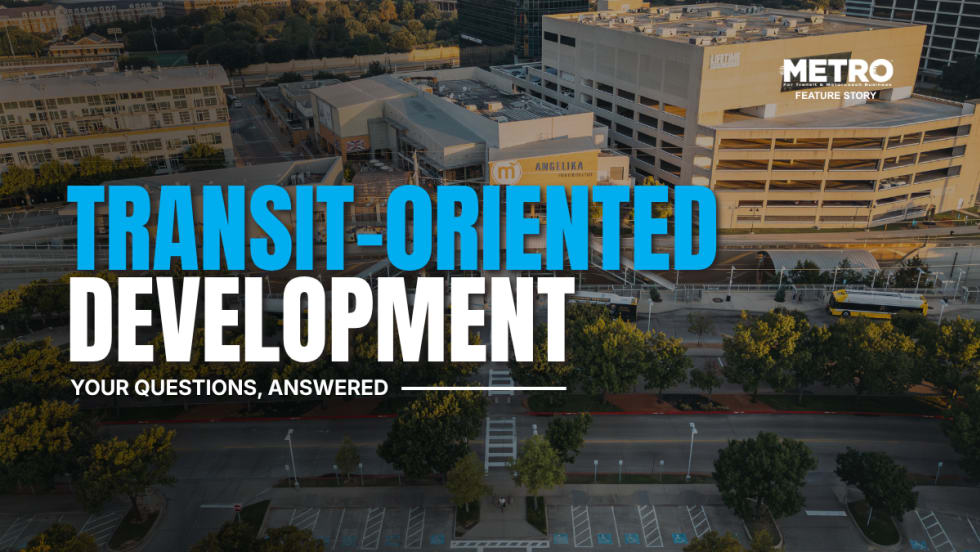
What Transit-Oriented Development Means for the Future of Public Transportation
Once viewed primarily as transit operators, agencies are now leveraging land, partnerships, and long-term planning to boost ridership, expand housing, and strengthen communities.
Read More →
USDOT Announces $22 Million for Transit Innovation, Updates High-Speed Rail Rules
New federal transit funding will support safety, accessibility, and technology projects as updated rail regulations establish new noise standards for high-speed trains.
Read More →