



Amtrak Rebrands Southern California Passenger Rail Service, Now Dubbed “Pacific Surfliner”
Amtrak today rebranded its San Diego to San Luis Obispo passenger rail corridor, the second most heavily traveled corridor in its system. It’s now called the Pacific Surfliner service, replacing the San Diegans.

Amtrak today rebranded its San Diego to San Luis Obispo passenger rail corridor, the second most heavily traveled corridor in its system. It’s now called the Pacific Surfliner service, replacing the San Diegans. The Pacific Surfliner will feature nine new trains with improved customer amenities and upgraded stations along the route. "More than just a new brand name, equipment or stations Pacific Surfliner is our first step in upgrading and expending rail service throughout the state," said Amtrak President and CEO George D. Warrington. "With our recent increases in ridership and revenue, Amtrak is growing into a commercially viable, financially-sound, customer-focused business, dedicated to providing a transportation alternative to Californians." Amtrak's $125 million investment in eight new trains is the single largest investment ever in any state, according to the railroad. The State of California recently purchased an additional trainset to bring the total number of new trains to nine—enough to re-fleet the entire corridor. The new trainsets will be phased into service along the corridor approximately every six to eight weeks, with all nine in service by spring 2001. California clearly sees rail in its future. According to the state’s Secretary of Business, Housing and Transportation, Maria Contreras Suite, 65% of Governor Gray Davis’ proposed $5.3 billion increase in the transportation budget will be spent on non-highway alternatives and $405 million of that amount will go to the rail improvements in Southern California rail corridor. "Re-fleeting the entire corridor will ensure that our guests will be able to expect the same world-class service onboard state-of-the-art equipment each time they ride our trains," said Amtrak West President Gil Mallery. "More than 1.5 million guests travel this route a year, and with this new equipment, we can ensure their ride is even more enjoyable." Since 1990, the State of California and Amtrak have invested more than $500 million in the Southern California and Central Coast route. The service improvements include upgraded tracks for better on-time performance, faster travel times, new and refurbished stations and increased service. California leads a long list of states investing with Amtrak in corridor development. The development of intercity passenger rail corridors to relieve road and airport congestion and spark downtown economic vitality is one of five components of Amtrak’s strategic business plan to make the railroad operationally self-sufficient by the close of the year 2002. "We are ahead of the goals in that plan," Warrington added. The new five-car, double-decker trains will seat 422 and consist of one Pacific Business Class Car, one Coach/Café Car, two Coach Cars, and one Coach/Baggage/Cab Car. With seating for 422 people, customers will be able to choose from a variety of service levels, including reserved Pacific Business Class and coach service. The trains are being manufactured by ALSTOM, and powered by new General Motors Electro-Motive Division F59PHI locomotives. The trains will be maintained in Los Angeles at Amtrak’s new locomotive service center. "The Pacific Surfliner trainset rivals the best European trains for passenger comfort, safety and amenities,” added Michel Moreau, president of ALSTOM Transport Sector. To ensure that European ideas would transfer to the California marketplace, Amtrak conducted extensive research with the people most familiar with its equipment, its employees, to help guide the design of the new trains, services and amenities for its guests. In the coach-café car, customers will enjoy upgraded and healthier menu selections, featuring local wines. Business and leisure travelers can take advantage of outlets for laptop computers at every seat pair and at-seat audio and video in Pacific Business Class. Amtrak takes great pains to call their customers “guests,” and they can relax in wide comfortable seats, gaze out the large panoramic windows, receive train information on digital information display boards and stow luggage in large overhead compartments. There are even places to store bicycles and surfboards. All trains are fully compliant with the Americans with Disabilities Act. To complement the improved on-board service and amenities, stations have been refurbished in Santa Barbara, Grover Beach and Surf and automated ticket machines are being installed for greater customer convenience. Later this year, through a deal with Motorola ®, Amtrak will introduce a new automated fare collection system, replacing its current manual ticket collection. The Pacific Surfliner corridor extends 347 miles through 32 cities and six counties from San Diego to San Luis Obispo. There are 11 daily round-trips between San Diego-Los Angeles, with four daily round-trips continuing north to Santa Barbara, with one round-trip extending to San Luis Obispo.
More Rail

Strada360’s Steve Lassey on Turning Transit Data Into Better Decisions
From breaking down data silos to preparing for AI, Strada360 CEO Steve Lassey discusses how transit agencies can use technology to improve operations, customer information, and long-term decision-making.
Read More →
SEPTA Details Accelerate Vision for Transit System
The plan outlines investments in trolley modernization, new Metro and Regional Rail vehicles, accessible stations, and more frequent bus and rail service.
Read More →
FTA Ends Direct Oversight of MBTA Safety Actions
The federal agency closed its remaining special directive to the Massachusetts Department of Public Utilities following a safety review that began in 2022.
Read More →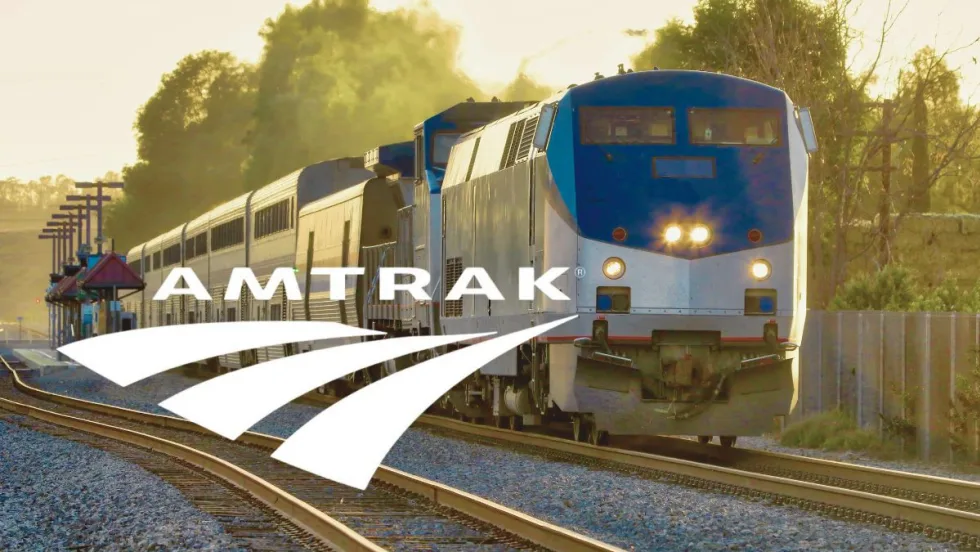
Amtrak, CN Reach Agreements to Strengthen Passenger Rail Service, Safety
The agreement resolves a more than decade-long proceeding before the Surface Transportation Board concerning the terms and conditions for Amtrak services, such as the City of New Orleans, Illini/Saluki, and Wolverine.
Read More →
New York MTA Advances Final Contract for Second Avenue Subway Expansion
Contract Four is the largest in the Second Avenue Subway Phase 2 project and includes construction of station infrastructure, tracks, and signals for the subway expansion, MTA officials said. Work on Contract Four will begin in 2027.
Read More →
San Diego MTS Breaks Monthly Trolley Ridership Record
Agency officials said July’s ridership indicates MTS’s continued recovery from the pandemic.
Read More →
Report Examines NJ TRANSIT Reliability, Funding Challenges
The Garden State Initiative analysis examines the roles of Amtrak infrastructure, fleet management, and agency operations while recommending a more performance-based approach to improving reliability.
Read More →
Stadler, CapMetro Sign Long-Term Rail Fleet Support Agreement
Beginning in 2027, Stadler will provide on-site technical expertise, spare parts support, training, and obsolescence management to help extend the reliability and longevity of CapMetro’s GTW fleet.
Read More →
Biz Briefs: Alstom Lands Canadian Contract, LYT to Supply California TSP, and More
In METRO's latest installment, we take a look at recent news from Complete Coach Works, Beep, FlixBus, and more partnerships making headlines across the transportation sector.
Read More →
CATS Gold Line Marks 5 Years of Service, 2.8M Passenger Trips
With a six-mile expansion planned, the Charlotte streetcar is positioned to connect more neighborhoods and major transit hubs across the region.
Read More →