



Amtrak Unveils Expansion Plans
Amtrak has unveiled a dramatic new plan to expand its passenger service and increase its fledgling freight business.

Amtrak has unveiled a dramatic new plan to expand its passenger service and increase its fledgling freight business. The plan calls for expanded routes and more frequent service on selected corridors, a foray into the refrigerated produce shipping business and expanded mail and express freight service. The plan has been met initially with mostly favorable reviews. At a hearing before the Senate Commerce Committee’s Subcommittee on Surface Transportation chaired by Sen. Kay Bailey Hutchison (R-Tex.), most wanted to see even more passenger service than the new business plan envisions. Sen. Ron Wyden (D-Ore.) was especially critical of the railroad for not restoring service that was discontinued several years ago in rural eastern Oregon and northern Idaho. In the hearing, Amtrak Chair Gov. Tommy Thompson (R-WI) acknowledged that the decision "was probably a mistake," and promised to look into the service restoration further. "The new board believes that the way to improve Amtrak’s financial health is to expand service," he said. "That is a very different philosophy from what Amtrak’s leadership did before." The hearing also focused on Amtrak’s financial status, and how well it was meeting its Congressionally mandated target of operating self-sufficiency by 2002. Amtrak President George Warrington indicated that the railroad was ahead of the business plan’s goals. Some, however, including a recent General Accounting Office report, have challenged that assumption on the grounds that Amtrak does not use widely accepted accounting principles in business, counting, for example, subsidies as income. APTA President Bill Millar defended the Amtrak approach, explaining that depreciation and heavy vehicle overhauls are funded are similarly accounted for in urban public transportation. One Amtrak advocate turned critic doesn’t buy the explanation, however. Joseph Vranich, a member of the Amtrak Reform Council established by Congress, a best-selling author and former Amtrak spokesman, said that the expansion plans were politically driven and lacking sound business rationales. He also charged Amtrak with "hiding something" because the reform council still has not seen copies of Amtrak’s revised business plan, even though it was finished last fall. Both Thompson and Warrington denied any wrong-doing and said in the Senate hearing that each part of the new service expansion strategy was based on practical market analysis. Amtrak added that increased investment has demonstrated at increased ridership. Warrington, in fact, said there has been "almost a direct correlation." An example is in the Pacific northwest, where the Talgo tilt trains have greatly boosted patronage. Moreover, the new trainsets, the first in Amtrak's fleet with European styling, were recently voted the highest in passenger satisfaction according to a customer survey, Amtrak announced.
More Rail
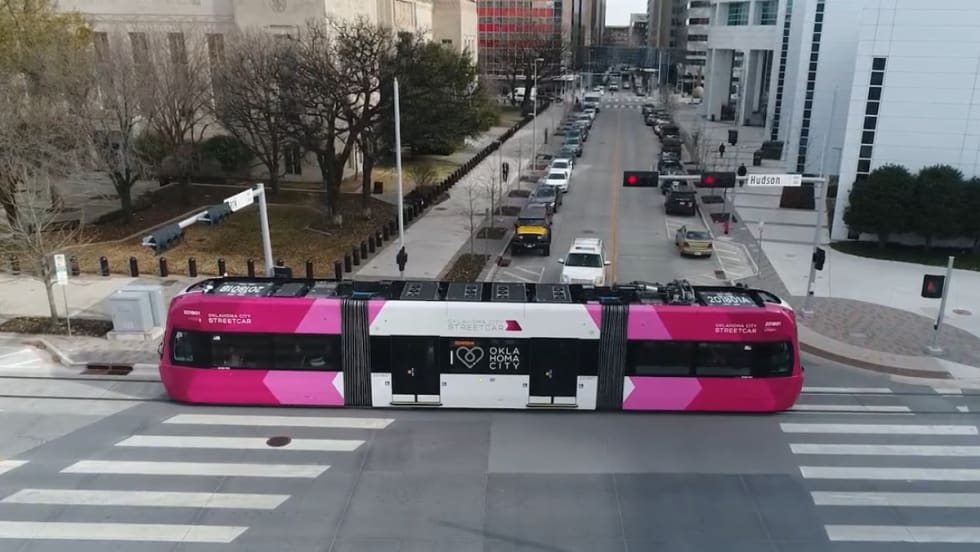
OKC Streetcar Makes Zero-Fare Service Permanent
Ridership increased an average of 71% compared with the same period a year earlier during the fare-free pilot.
Read More →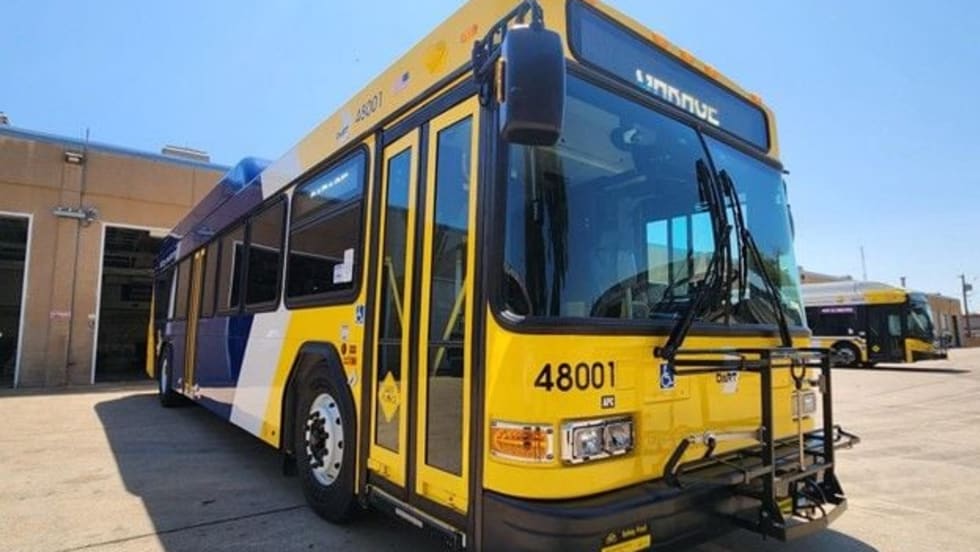
DART Customer Satisfaction Reaches Six-Year High
Overall satisfaction rose to 74.9%, while the agency’s Net Promoter Score reached a record 33.7.
Read More →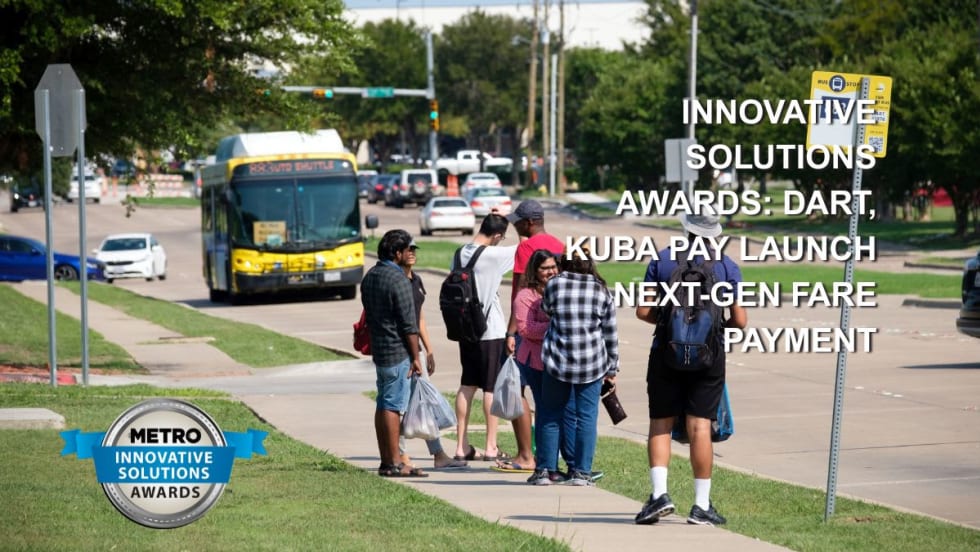
How DART's GoPass Is Redefining Regional Mobility
Serving 14 transit agencies, GoPass simplifies multimodal travel by allowing riders to plan, pay for, and manage an entire trip through one app.
Read More →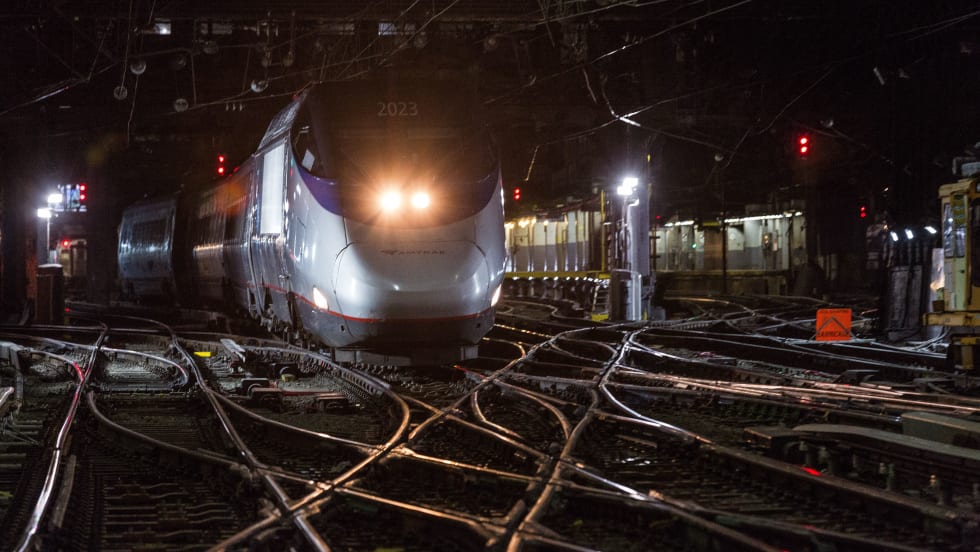
Amtrak Board Advances Plan to Restructure Organization, Seeks Public Input
The proposal, developed by Amtrak management and approved by the board for further consideration, is intended to modernize the organization's structure while improving accountability, operational efficiency, and customer service.
Read More →
Biz Briefs: STV teams with Amtrak, Motorcoach Operators Boost Fleet and Land Contracts, and More
From manufacturers and suppliers to transit agencies and motorcoach operators, these updates offer a snapshot of the projects, partnerships and business moves driving the industry forward.
Read More →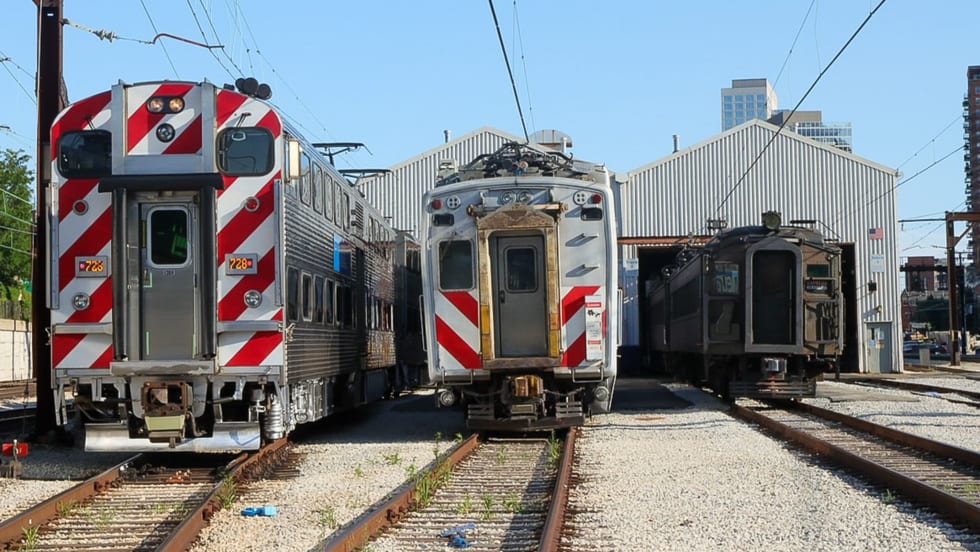
Metra Celebrates 100 Years of Electric Rail, Looks to the Future
The event was also a celebration of recent reforms to public transportation in the Chicago area, changes that could be as transformative in the future as the major civic achievement a century ago, said officials.
Read More →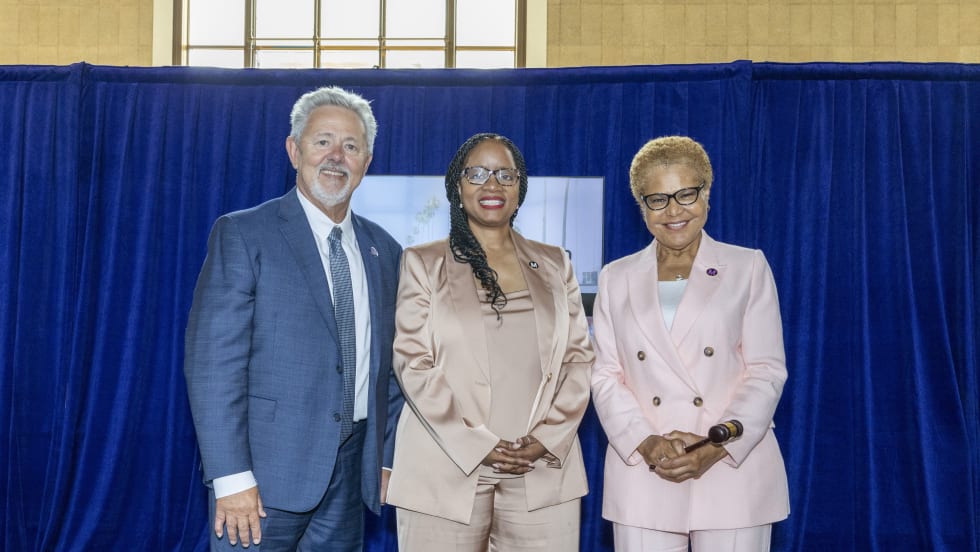
LA Metro Marks Banner Year, Sets Ambitious Goals for New Fiscal Year
Incoming LA Metro Board Chair and Los Angeles Mayor Karen Bass joined outgoing Board Chair Fernando Dutra and LA Metro CEO Stephanie Wiggins to review accomplishments from fiscal year 2026, which included the opening of new rail extensions, advancement of major transit projects, expanded safety programs, and new rider amenities.
Read More →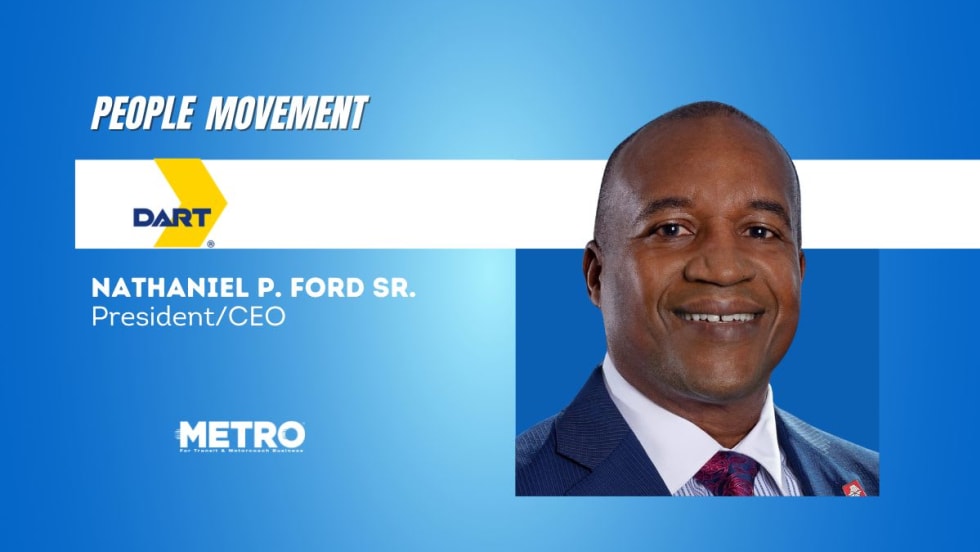
DART Taps Nathaniel P. Ford Sr. as Next President/CEO
Since 2012, Ford has served as the CEO of the Jacksonville Transportation Authority
Read More →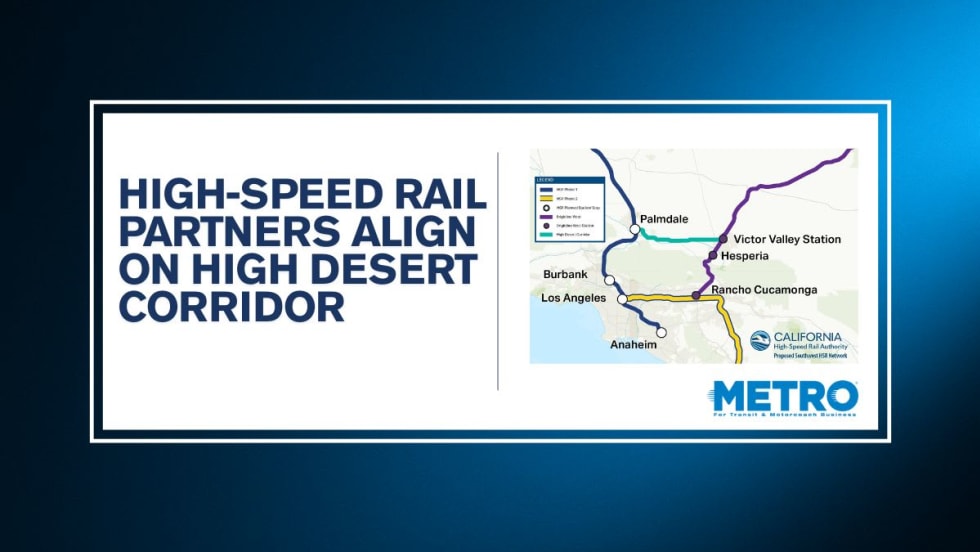
California High-Speed Rail Authority Signs MOU to Advance High Desert Corridor
The agreement deepens collaboration between the California High-Speed Rail Authority and the High Desert Corridor Joint Powers Agency, supporting design integration, cost savings, and faster delivery of a key Southern California rail link.
Read More →
Building the Next Generation of Transit Technology
In this edition of METROspectives, Luminator CEO Magnus Friberg discusses the company's transformation, the growing role of AI and software, and what's next for transit technology.
Read More →