



Anti-terror program monitors Houston Metro buses
Undercover officers are now riding selected buses as part of a pilot program focusing on counter-terrorism. The agency launched the program BusSafe last week by conducting a "sweep" of certain bus routes, stops and shelters.

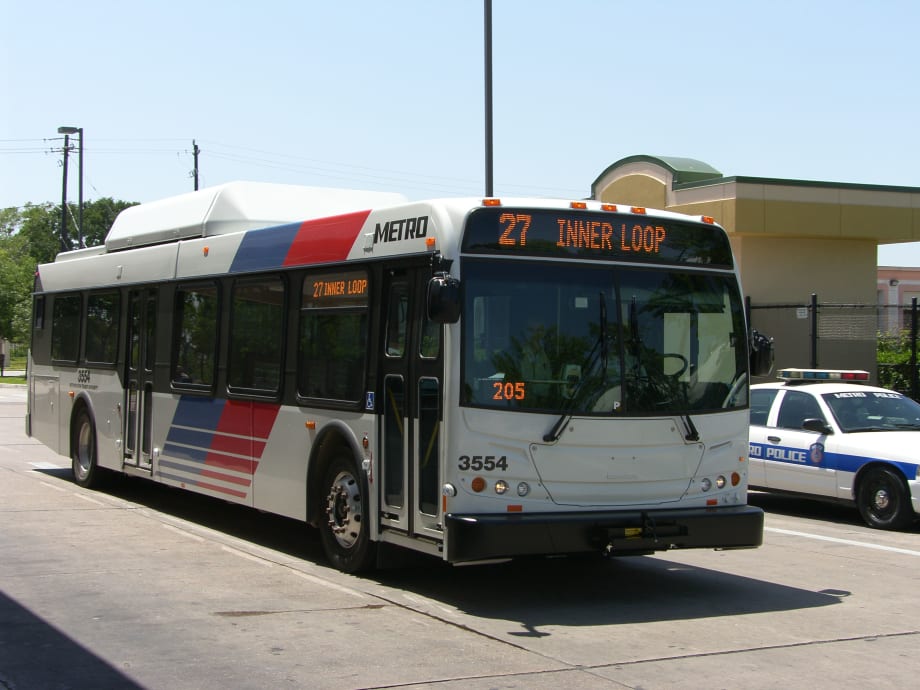
Photo courtesy Metro.
Photo courtesy Metro.
HOUSTON — Undercover officers are now riding selected Metropolitan Transit Authority of Harris County (Metro) buses as part of a pilot program focusing on counterterrorism. The agency launched the program BusSafe last week by conducting a "sweep" of certain bus routes, stops and shelters, reported the Houston Chronicle.
To read the full story, click here.
Metro press release below:
Patrons riding METRO on Friday, April 13, or any given day, may be sitting next to an undercover MPD officer.
The move to monitor and curtail crime on buses and trains is just one component of a much larger initiative called BusSafe — a national pilot program created by a peer advisory group of mass transit police chiefs and security directors, and one which METRO’s Police Department is adopting to enhance safety on the system.
MPD, Houston Police Department officers and Harris County Precinct 7 Deputy Constables took part in a synchronized, counter-terrorism exercise on April 13, focusing on bus routes, stops and shelters, and transit centers in high traffic areas. The participating agencies will: ride buses, perform random bag checks, and conduct K-9 sweeps, as well as place uniformed and plainclothes officers at transit centers and rail platforms to detect, prevent and address latent criminal activity or behavior.
While local law enforcement agencies focus on overall safety measures noted above, representatives with the Transportation Security Administration will also be on hand, lending their counter-terrorism expertise and support during the exercise.
“We have one of the safest transit systems in the world in Houston,” said METRO Police Chief Victor Rodriguez. “One way we are able to keep it that way is through the use of deterrents such as uniformed and plainclothes officers patrolling our system and aggressively addressing suspicious and criminal activity.”
METRO Police encourage patrons, employees and the general public, if they see suspicious activity, objects or behavior, to say something by reporting it immediately by calling METRO Police at 713-224-COPS (2677), or dial #MPD, a free call from most cellphones.
More Bus

Scenes from APTA TRANSform & EXPO 2026
Transit leaders, manufacturers, and industry professionals gathered in Chicago to explore new technologies, share ideas, and discuss the future of public transportation.
Read More →
More Than a Summer Job: Building the Next Generation of Transit Talent
The Delaware River Port Authority and PATCO have transformed their internship program into a hands-on professional development experience that introduces students to the breadth of transportation careers — and creates a pipeline for future employees.
Read More →
LA Metro Board Awards 220 Battery-Electric Bus Contract to ENC
The contract, which is the largest base award of battery-electric buses by a U.S. transit agency, will be built in Southern California, sustaining good jobs as LA prepares to welcome the world in 2028
Read More →
Public Transit Conference Returning to GFX in 2027, Call for Papers Now Open
The Call for Papers is now open, allowing transit agency professionals and industry experts to help shape the PTC educational program by submitting session ideas for consideration.
Read More →
Indian River Transit’s Community-Focused Approach Earns National Recognition
Named APTA’s 2026 Outstanding Public Transportation System in its size category, Florida’s Indian River County transit system continues to grow ridership through fare-free service and a focus on evolving community needs.
Read More →
ENC Lands MATA Contract and More in Biz Briefs
In this edition of Biz Briefs, we spotlight the latest developments shaping the future of mobility.
Read More →
From Surviving to Thriving: Building Stronger Transportation Organizations
Bus Business Consultants founder Brian Dickson shares lessons on leadership, organizational health, and creating options for long-term success in a changing transportation industry.
Read More →
Everett Transit, Community Transit Outline Consolidation Agreement
The proposed agreement calls for a 50% increase in bus service in Everett, a new microtransit zone, continued paratransit service, and the transfer of Everett Transit operations to Community Transit.
Read More →
SEPTA Details Accelerate Vision for Transit System
The plan outlines investments in trolley modernization, new Metro and Regional Rail vehicles, accessible stations, and more frequent bus and rail service.
Read More →
Report: Transit Bus Manufacturing Supports 34,100 Jobs, $5.1B in GDP
The “Buses Mean Business” report examines the transit bus manufacturing industry’s economic footprint, supply chain, and rising demand for vehicle replacements.
Read More →