




RELATED: Senate Dems propose $1 trillion infrastructure plan
APTA: $200B public transit infrastructure investment could create, sustain 10M jobs
In addition, it could provide sustained economic growth by contributing $800 billion to the nation's Gross Domestic Product over a 20-year period.
March 14, 2017
Sound Transit
3 min to read

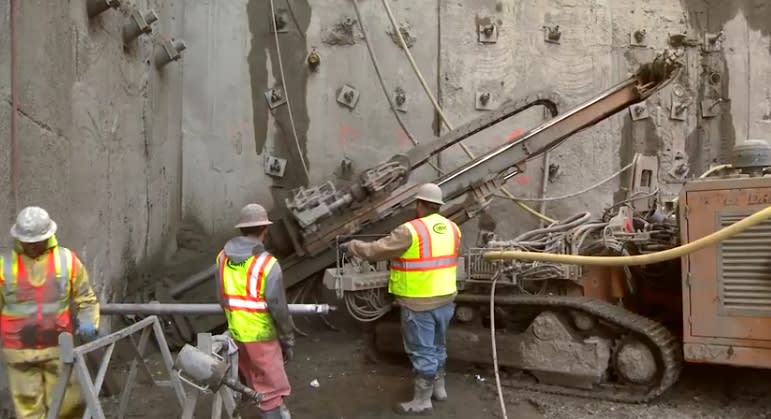
A $200 billion investment in the nation's public transportation infrastructure, over a 10-year period, could create and sustain 10 million jobs across America, according to a new analysis by the American Public Transportation Association (APTA). In addition, it could provide sustained economic growth by contributing $800 billion to the nation's Gross Domestic Product over a 20-year period.
"We have an opportunity to bring together a bi-partisan effort amongst Congress and the Administration to revitalize main street America with smart investments in local public transit," said APTA Chair Doran Barnes. "Public transit's role in getting people to work and bringing customers to businesses results in the far reaching economic impact of this investment. This coupled with our extensive supply chain provides for manufacturing jobs in small, mid-size and large communities."
The $200 billion figure in the APTA Infrastructure Analysis is based on three separate analyses as the association developed its recommendations for the FAST Act. Association researchers took a look at what $200 billion of a $1 trillion investment flowing to the nation's public transportation infrastructure could do over a 10-year period.
Particularly for small and mid-size communities, this investment will garner the greatest impact. For instance, purchasing new buses and upgrading equipment and facilities will be a game changer for small and mid-size communities. Specifically, nearly 90% of public transit trips directly benefit the economy by getting people to work and connecting them to local businesses, according to a recent APTA demographics study.
"This additional investment is the key to addressing the nation's aging public transportation infrastructure," said APTA Acting President/CEO Richard White. "Data from the U.S. Department of Transportation shows we need to invest nearly $90 billion just to bring our systems into a state of good repair. More than 40 percent of buses and 25 percent of rail train assets are in marginal or poor condition."

Recently the American Society of Civil Engineers (ASCE) rated the nation's public transit infrastructure a D minus. That is the lowest infrastructure grade of ASCE's 10 critical infrastructure sectors and it shows transit infrastructure's further degradation from the previous report.
As Congress moves forward with implementation of a new infrastructure initiative, APTA urges the Trump Administration and Congress to dramatically increase the current investment levels in support of the nation's public transportation and intercity passenger rail systems.
"We live in a time where there may be a number of policy issues that separate us, but investing in our public transportation infrastructure is the one issue that unites us," said White.
The APTA Infrastructure Analysis is based on data collected from four Federal funding formula programs and local metropolitan planning organizations. Calculations of job creation are derived from economic models developed by APTA through its established published economic studies. To access the amount of funding per Congressional district, and information on projects in parts of the country click here.
More Management
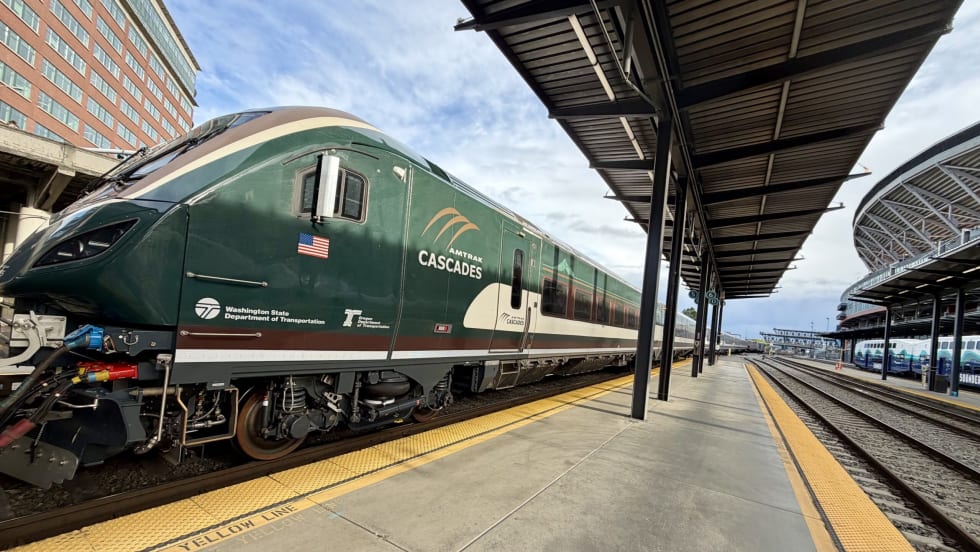
FRA Announces $5.3B in Rail Investments, Including $2B for Amtrak
Funding will support grade-crossing improvements, infrastructure upgrades, and new Amtrak equipment in 23 states.
Read More →
Finding the ‘Happy Medium’: Optimizing Maintenance Without Sacrificing Reliability
The key to maintenance optimization isn’t doing less work—it’s doing the right work at the right time on the right assets.
Read More →
People Movement: MARTA Drops Interim Tag on GM/CEO Hunt and More
In this edition, METRO covers recent appointments and announcements at the FMCSA, HDR, SilverRide, and more, showcasing the individuals helping to shape the future of transportation.
Read More →
VIA Metropolitan Transit Reports 2 Million More Passenger Trips as Better Bus Plan Gains Momentum
San Antonio's transit agency said accelerated service improvements are driving ridership growth, offering another example of how increased frequency and workforce investments can translate into stronger transit performance.
Read More →
ABAF Study Reveals Growing Insurance Crisis for Motorcoach Operators
Preliminary findings show 98% of operators faced premium increases over the past five years, while shrinking insurer participation is putting added pressure on businesses and customers.
Read More →
PSTA Modernizes Workforce Management with Digital Bidding System
The award-winning Workforce Transit Modernization project replaced paper bidding with a transparent digital platform, cutting administrative effort while improving access for operators.
Read More →
Chicago to Host Public Transportation's Biggest Gathering at APTA TRANSform & EXPO 2026
North America’s largest public transportation gathering returns to Chicago, connecting transit decision-makers with the technologies, ideas, and partnerships driving the industry forward.
Read More →
New Tricks for Old Bureaucracies: Joshua Schank on Making Transit Innovation Stick
Former LA Metro Chief Innovation Officer Joshua Schank discusses why good ideas aren't enough, how transit agencies can overcome resistance to change, and why today's challenges demand more innovation.
Read More →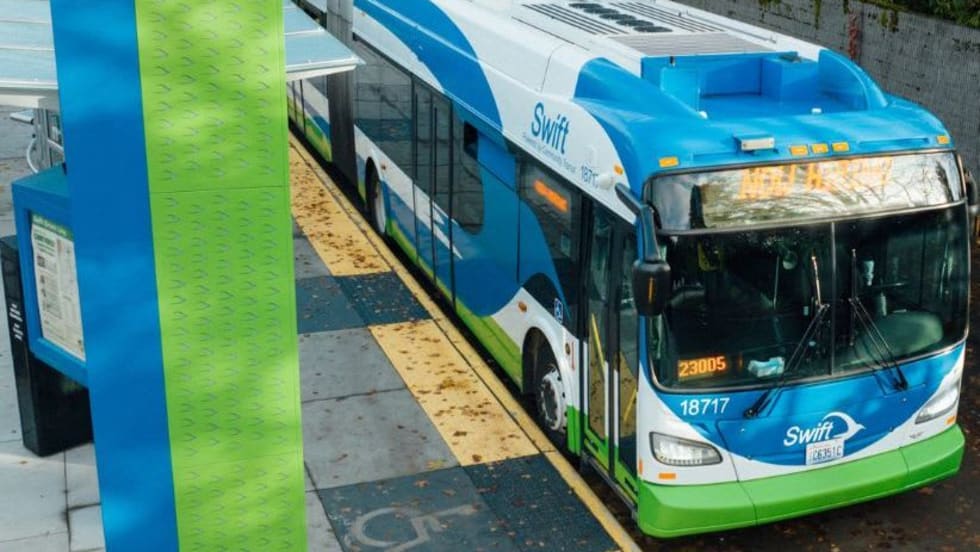
Washington's Community Transit Sets Six-Year Roadmap for Growth, Expansion
Approved TDP targets more bus service, new mobility options, Swift BRT expansion, and a potential Everett Transit annexation.
Read More →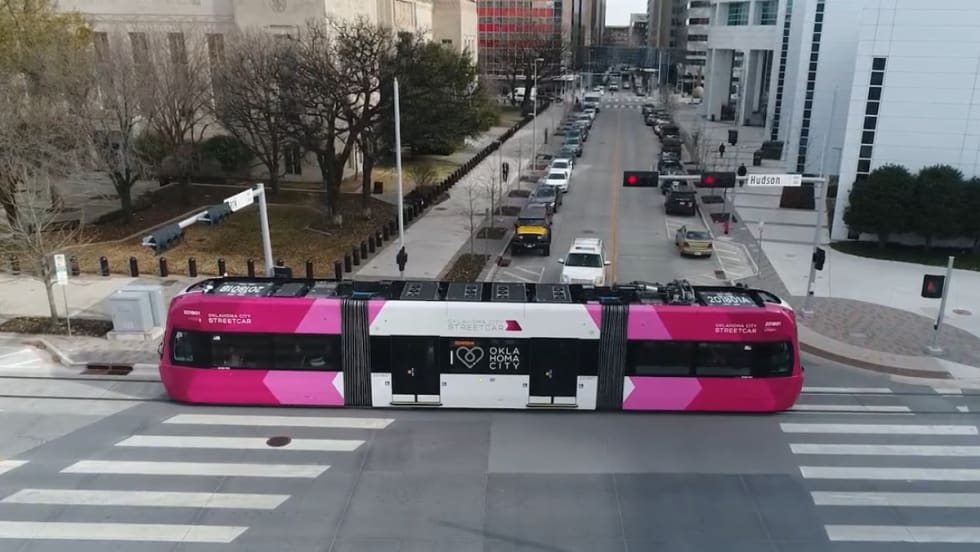
OKC Streetcar Makes Zero-Fare Service Permanent
Ridership increased an average of 71% compared with the same period a year earlier during the fare-free pilot.
Read More →