



APTA: 80% of transit systems faced with further cuts, fare increases
Larger agencies particularly have faced challenges due to the lack of state, local and regional funding. Six in 10 (63 percent) larger agencies implemented or approved hiring freezes, more than the number from the previous 2010 survey (54 percent).

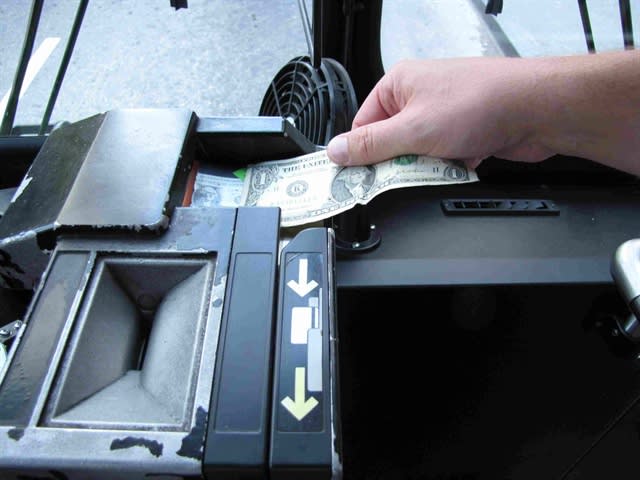
[IMAGE]Farecollection-SORTA-2.jpg[/IMAGE]Public transit systems are faced with implementing new service cuts and fare increases on top of cuts and increases enacted during the past budget cycle, according to a new study released by the American Public Transportation Association (APTA).
The report, "Impacts of the Recession on Public Transportation Agencies," noted the top three causes of stress in operating budgets among public transit systems were local/regional funding, state funding and increasing fuel prices.
Nearly 80 percent of public transit systems have already implemented fare increases or service cuts in 2010 or are considering them for the future because of flat or decreased local and/or regional funding, with 71 percent of responding agencies seeing flat or decreased local and/or regional funding and 83 percent seeing flat or decreased state funding. The decreases are on top of an already stagnant funding situation in 2010.
"Public transportation systems are currently experiencing decreases in their funding during a time when many are serving increased number of riders," said APTA President William Millar. "Systems are forced to continue to freeze positions and lay off workers, which makes providing necessary transit service even more difficult."
Larger agencies particularly have faced challenges due to the lack of state, local and regional funding. Six in 10 (63 percent) larger agencies implemented or approved hiring freezes, more than the number from the previous 2010 survey (54 percent). Seventy-five percent of larger agencies reduced the number of positions and 46 percent of larger agencies reported implementing or approving layoffs.
In addition, 85 percent of transit agencies have seen flat or decreased capital funding. This results in nearly one in three (31 percent) delaying vehicle acquisitions and 20 percent delaying capital maintenance. APTA says the phasing out of the federal government's American Reinvestment and Recovery Act (ARRA) has increased stress on state and local budgets.
The association notes that ARRA provided a needed boost for state and local infrastructure projects.
"With the challenges on the state and local level, this is a time for increased federal investment in public transportation to help with job creation and stimulating the economy," said Millar. "Federal investment is essential to preserve critical maintenance and replacement of older vehicles for larger systems and to maintain crucial day-to-day operations for smaller transit systems. Clearly, local and state governments will not be able to make up the difference as these needs increase."
More Paratransit
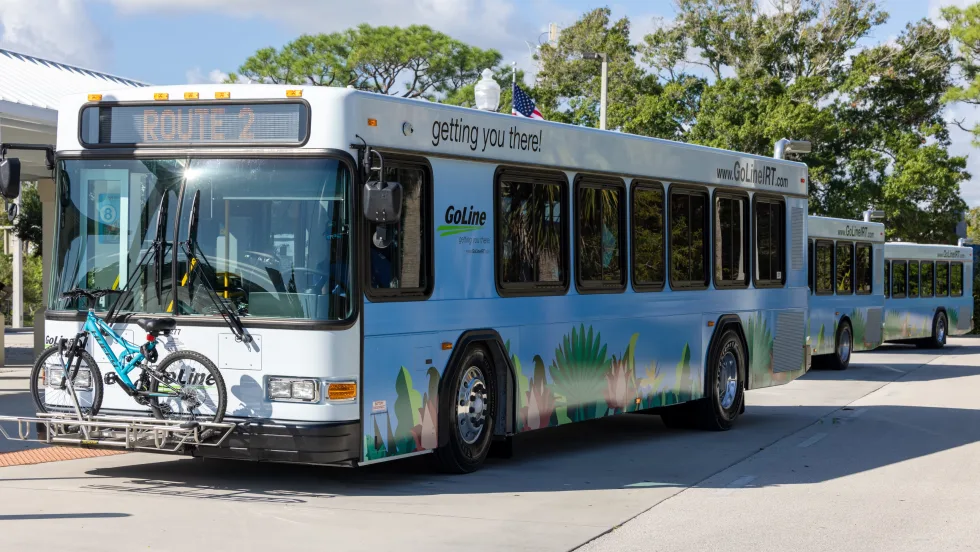
Indian River Transit’s Community-Focused Approach Earns National Recognition
Named APTA’s 2026 Outstanding Public Transportation System in its size category, Florida’s Indian River County transit system continues to grow ridership through fare-free service and a focus on evolving community needs.
Read More →
Everett Transit, Community Transit Outline Consolidation Agreement
The proposed agreement calls for a 50% increase in bus service in Everett, a new microtransit zone, continued paratransit service, and the transfer of Everett Transit operations to Community Transit.
Read More →
Driving Smarter Paratransit
John Hanlon shares how AlphaRoute is leveraging AI-powered technology to help paratransit providers optimize operations, support frontline staff, and enhance the rider experience.
Read More →
People Movement: Dan Dipert Coaches Adds Third-Generation Leader, Keolis Names New Valley Metro VP/GM, and More
In this edition, we also cover recent appointments and announcements at the Wabtec, SilverRide, HNTB, and more, showcasing the individuals helping to shape the future of transportation.
Read More →
Biz Briefs: RIPTA Unveils New Frontrunners, Clevland RTA Adds New Siemens, and More
In METRO's latest installment, we take a look at recent news from Siemens, Prevost, Dodge, and more partnerships making headlines across the transportation sector.
Read More →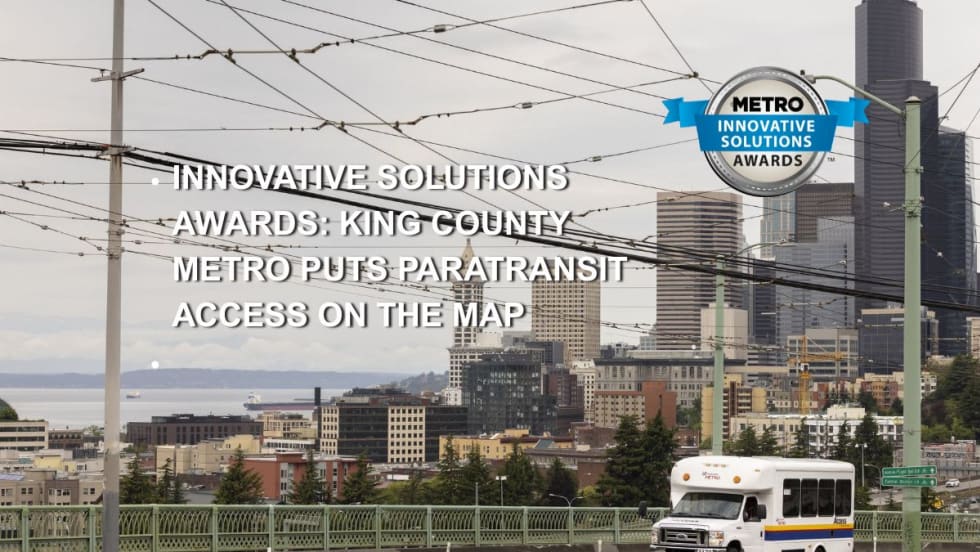
King County Metro Makes ADA Paratransit Easier to Navigate
METRO's Innovative Solutions Award winner replaces complex service-area descriptions with an accessible, interactive map that puts paratransit information directly in customers’ hands.
Read More →
Jacksonville’s NAVI Project Charts a New Course for Autonomous Public Transportation
Through its NAVI program, JTA is showing how autonomous vehicles, intelligent infrastructure, and coordinated operations can work together to deliver everyday public transportation.
Read More →
Driving Smarter Paratransit
John Hanlon shares how AlphaRoute is leveraging AI-powered technology to help paratransit providers optimize operations, support frontline staff, and enhance the rider experience.
Read More →
METRO Magazine Announces 2026 Innovative Solutions Awards Winners
Projects Recognized for Advancing Mobility Through Technology, Accessibility, Workforce Innovation, and Operational Excellence
Read More →
Biz Briefs: STV teams with Amtrak, Motorcoach Operators Boost Fleet and Land Contracts, and More
From manufacturers and suppliers to transit agencies and motorcoach operators, these updates offer a snapshot of the projects, partnerships and business moves driving the industry forward.
Read More →