



APTA Annual Meeting: Question of the Day
What is your agency's biggest challenge and what are you doing to overcome it?


As part of APTA's Annual Meeting, METRO asked top executives what their biggest challenge is and what they are doing to overcome it. Here are their answers:

Rocky Burke
GM, Lextran, Lexington, Ky.
“Like most agencies, one of the biggest challenges in Lexington is our budget and the increasing cost of service. Our greatest source of revenue is a portion of the local property tax. We’ve been fortunate over the last few years that this hasn’t decreased as it has in some other areas of the country, though, it has not drastically increased, either. However, fuel costs have gone up, as have the costs of health insurance and paratransit service. We struggle as we attempt to balance these expenses, especially as other sources of funding are in decline. We are cutting costs by eliminating service that is unproductive, where we are only transporting a few passengers per hour.

Mike Micko
Executive Director, Schuylkill Transportation System, Saint Clair, Pa.
“We have a hard time recruiting qualified drivers for our fixed-route program. We are working with local school districts to see if they would have some individuals who may be interested as some area districts have reduced their busing. During recent Union negotiations, the starting salary for fixed-route bus drivers was increased as an incentive to assist in recruitment. Another issue is the increasing cost of fuel and the attempt to consolidate services in the shared-ride program to reduce operating costs.”

Joni Earl
CEO, Sound Transit, Seattle
“Addressing the ongoing revenue impacts from the recession as we plan for major light rail expansions approved by voters in 2008. The agency is working closely with the board to set clear priorities, control project(s) scope and maintain tight fiscal management to deliver projects in a timely manner.”

Steve Banta
CEO, Valley Metro, Phoenix
“We are formerly two agencies coming together as one regional transit agency. This integration presents the opportunity to streamline processes, improve connectivity among modes and position ourselves to expand our Total Transit Network.”

Gary Thomas
President/Executive Director, Dallas Area Rapid Transit (DART), Dallas
“The demand for transit service continues growing not only within our service area but in the cities outside of it. We are continuing an aggressive expansion program as we provide even more service to more people and places. Funding to support the expansion and ongoing operations is always a priority, so we need to keep working with Congress on a permanent funding solution.”

Justin Augustine VP, Veolia, New Orleans Regional Transit Authority
“Overcoming this hurricane that hit us recently. We are building a new streetcar expansion, and one of the things we have to do is stay within the timeframe and budget that was set, in the midst of having a breakage of schedule due to the hurricane. We have to make this time up. We received funding from the federal government through the TIGER I program and we are one of the first ARRA programs out of the box. We were shovel ready. Our project is under construction, and we just have to stay on schedule and on budget.”
More Bus
Finding the ‘Happy Medium’: Optimizing Maintenance Without Sacrificing Reliability
The key to maintenance optimization isn’t doing less work—it’s doing the right work at the right time on the right assets.
Read More →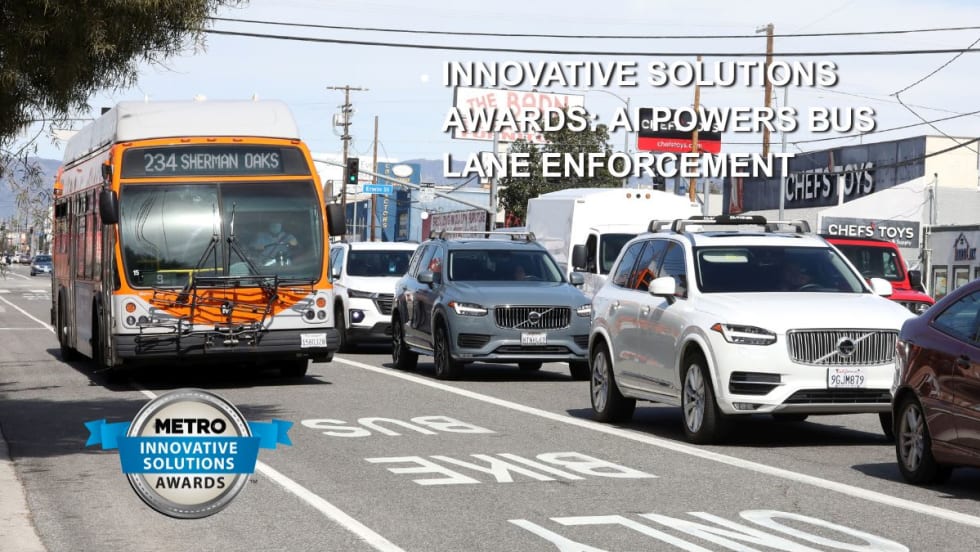
LA Metro, City of West Hollywood, and Partners Advance Smarter Bus Lane Enforcement
The award-winning partnership combines AI-powered detection with human oversight to improve bus reliability, accessibility, and enforcement efficiency.
Read More →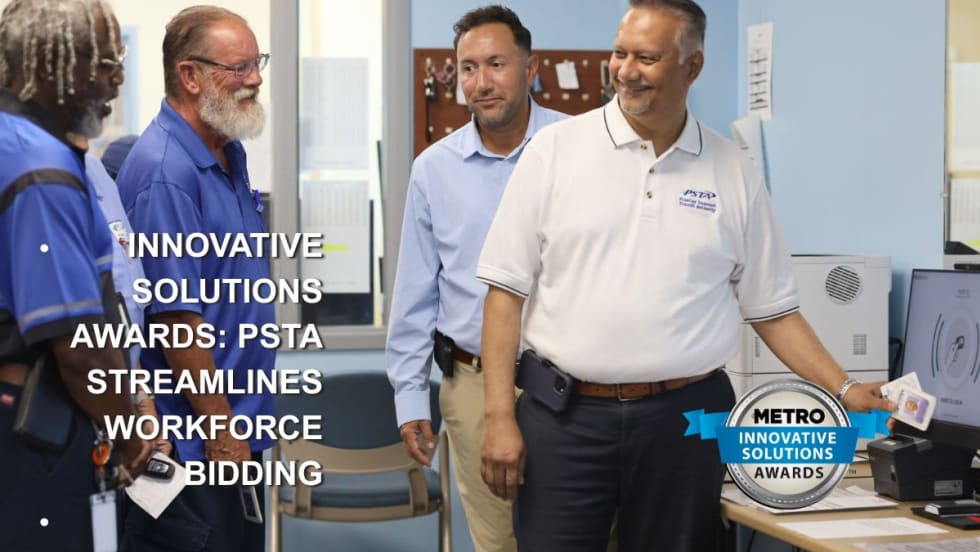
PSTA Modernizes Workforce Management with Digital Bidding System
The award-winning Workforce Transit Modernization project replaced paper bidding with a transparent digital platform, cutting administrative effort while improving access for operators.
Read More →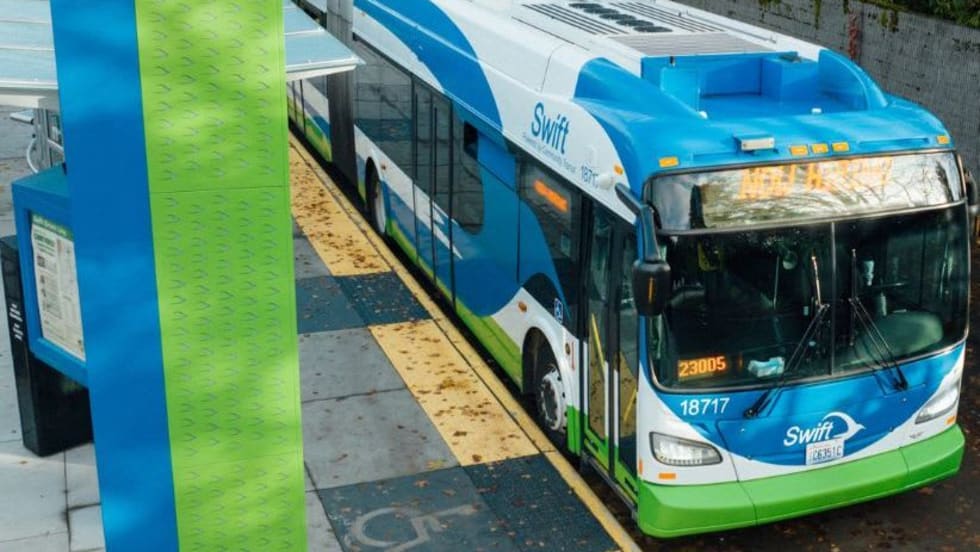
Washington's Community Transit Sets Six-Year Roadmap for Growth, Expansion
Approved TDP targets more bus service, new mobility options, Swift BRT expansion, and a potential Everett Transit annexation.
Read More →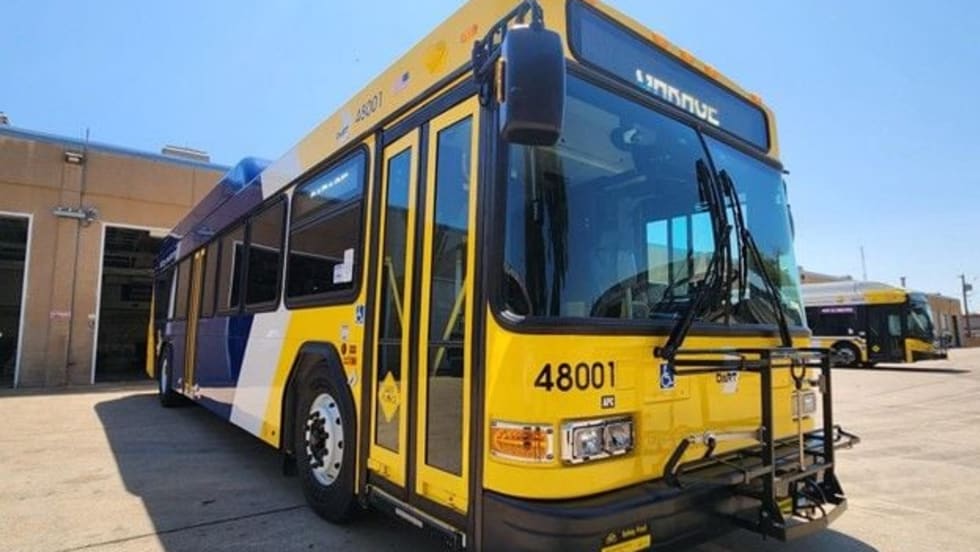
DART Customer Satisfaction Reaches Six-Year High
Overall satisfaction rose to 74.9%, while the agency’s Net Promoter Score reached a record 33.7.
Read More →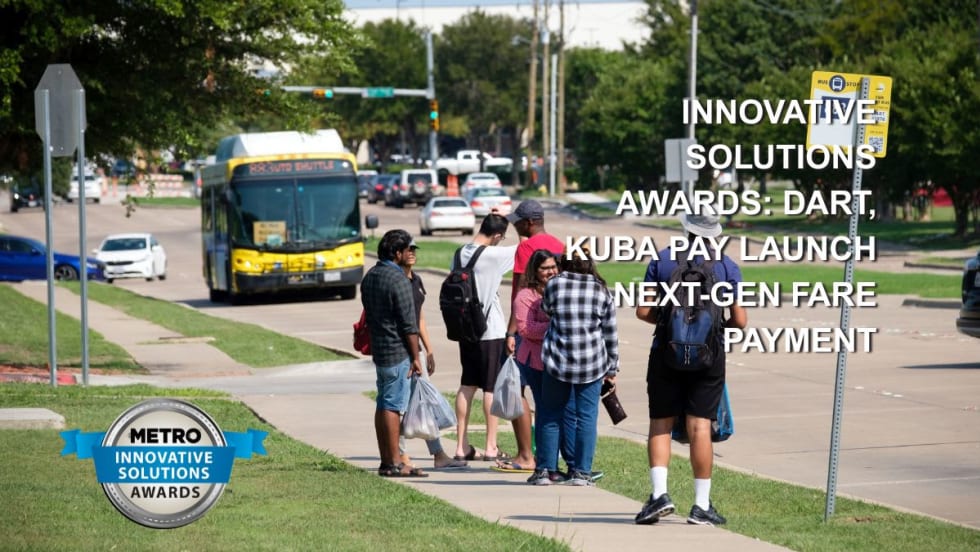
How DART's GoPass Is Redefining Regional Mobility
Serving 14 transit agencies, GoPass simplifies multimodal travel by allowing riders to plan, pay for, and manage an entire trip through one app.
Read More →
Biz Briefs: OCTA Taps Clean Energy for Hydrogen Station, Stadler to Supply Via Rail Vehicles, and More
From manufacturers and suppliers to transit agencies and motorcoach operators, these updates offer a snapshot of the projects, partnerships and business moves driving the industry forward.
Read More →
METRO Magazine Announces 2026 Innovative Solutions Awards Winners
Projects Recognized for Advancing Mobility Through Technology, Accessibility, Workforce Innovation, and Operational Excellence
Read More →
Biz Briefs: STV teams with Amtrak, Motorcoach Operators Boost Fleet and Land Contracts, and More
From manufacturers and suppliers to transit agencies and motorcoach operators, these updates offer a snapshot of the projects, partnerships and business moves driving the industry forward.
Read More →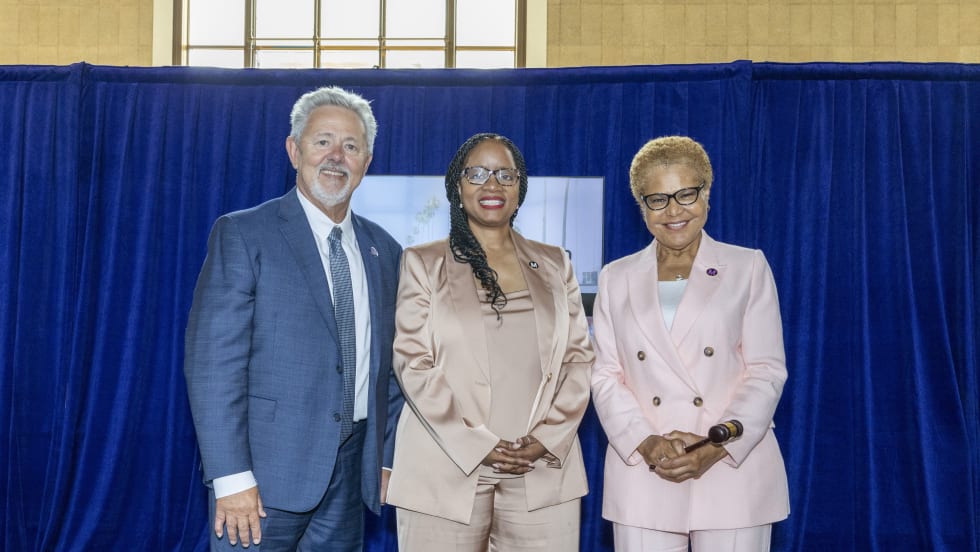
LA Metro Marks Banner Year, Sets Ambitious Goals for New Fiscal Year
Incoming LA Metro Board Chair and Los Angeles Mayor Karen Bass joined outgoing Board Chair Fernando Dutra and LA Metro CEO Stephanie Wiggins to review accomplishments from fiscal year 2026, which included the opening of new rail extensions, advancement of major transit projects, expanded safety programs, and new rider amenities.
Read More →