




Related: ARBOC introduces first hydrid-electric shuttle bus
ARBOC's Mobility Bus #1 back in service
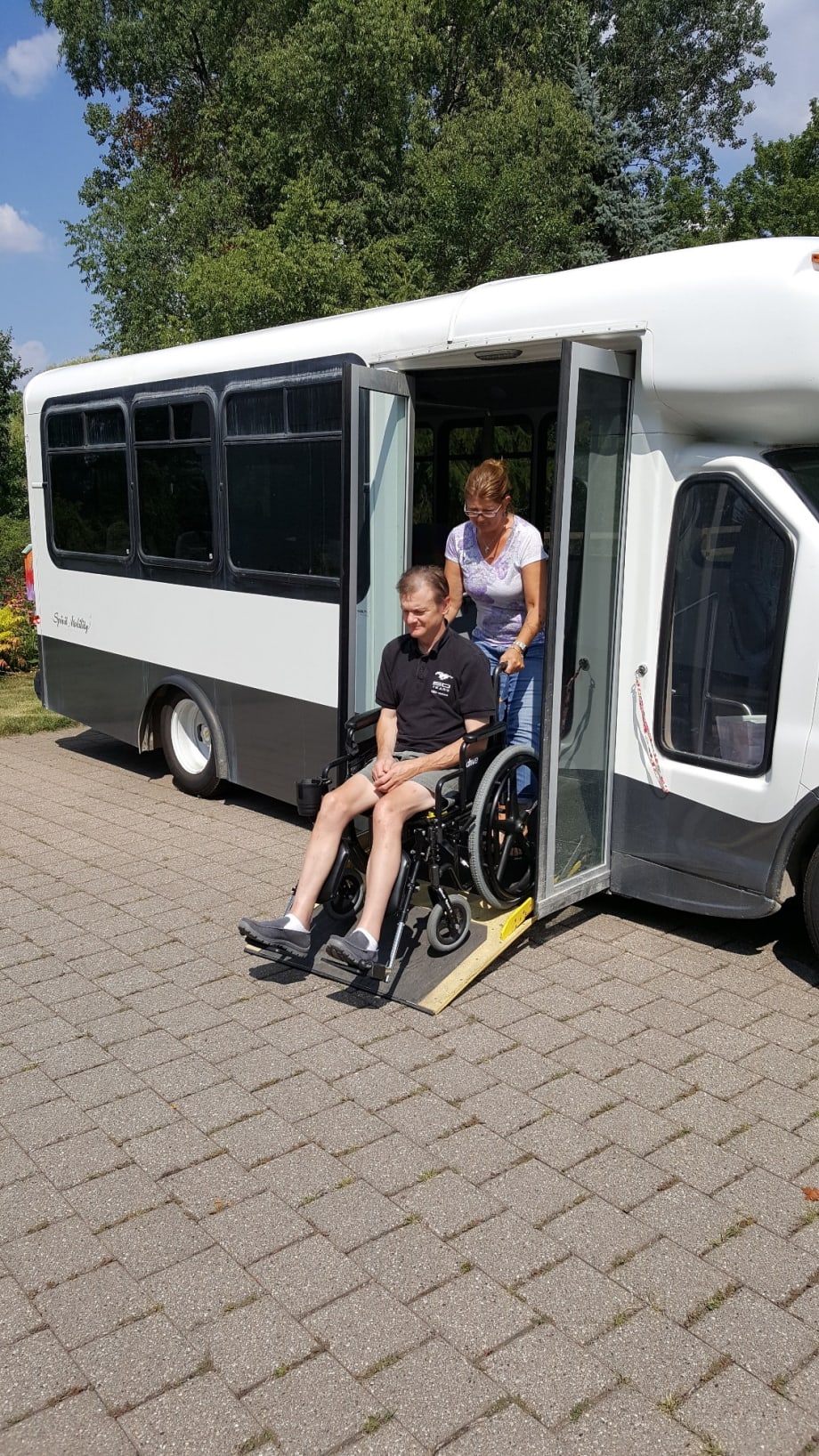
The first ARBOC Specialty Vehicles low-floor bus ever built in 2007 has returned in service after five years of retirement.
August 25, 2016
2 min to read
The first ARBOC Specialty Vehicles low-floor bus ever built in 2007 has returned in service after five years of retirement.
Nine years ago, ARBOC Specialty Vehicles (then known as ARBOC Mobility) built their first prototype bus to demonstrate ADA-compliant, low-floor technology for small shuttle buses. As production geared up "Old #1," as it became known, was phased out of use and finally retired in 2011. For the past five years it has been stored at the ARBOC manufacturing facility in Indiana, until May of this year.
Craig Bennett, the son-in-law of one of the ARBOC Specialty Vehicles founders, suffered a horrific accident while racing in April of this year. Craig suffered a crushed L5 vertebrae as well as bone fractures in every appendage. Because of these injuries, Craig needed a means to transport himself for several months to doctor’s appointments and to work as a vintage race car engineer.
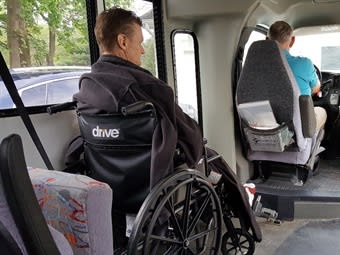
Don Roberts, president of ARBOC was asked to see if they had any low floor product that could be used for a while. Don never hesitated a second. He said, “Let’s put 'Old #1' back in service.”
After routine service, a new battery and tires, the Bus was delivered to Craig. The bus is operating, even after sitting idle for 5 years. The ADA features introduced to the market in 2008 and included in every ARBOC bus to date, have made daily travel comfortable and efficient for Craig.
Over 95% of all buses built since the company shipped its first bus in 2008 remain in service. Some of these buses have accumulated over 300,000 miles in service.
More Paratransit

Biz Briefs: RIPTA Unveils New Frontrunners, Clevland RTA Adds New Siemens, and More
In METRO's latest installment, we take a look at recent news from Siemens, Prevost, Dodge, and more partnerships making headlines across the transportation sector.
Read More →
King County Metro Makes ADA Paratransit Easier to Navigate
METRO's Innovative Solutions Award winner replaces complex service-area descriptions with an accessible, interactive map that puts paratransit information directly in customers’ hands.
Read More →
Jacksonville’s NAVI Project Charts a New Course for Autonomous Public Transportation
Through its NAVI program, JTA is showing how autonomous vehicles, intelligent infrastructure, and coordinated operations can work together to deliver everyday public transportation.
Read More →
Driving Smarter Paratransit
John Hanlon shares how AlphaRoute is leveraging AI-powered technology to help paratransit providers optimize operations, support frontline staff, and enhance the rider experience.
Read More →
METRO Magazine Announces 2026 Innovative Solutions Awards Winners
Projects Recognized for Advancing Mobility Through Technology, Accessibility, Workforce Innovation, and Operational Excellence
Read More →
Biz Briefs: STV teams with Amtrak, Motorcoach Operators Boost Fleet and Land Contracts, and More
From manufacturers and suppliers to transit agencies and motorcoach operators, these updates offer a snapshot of the projects, partnerships and business moves driving the industry forward.
Read More →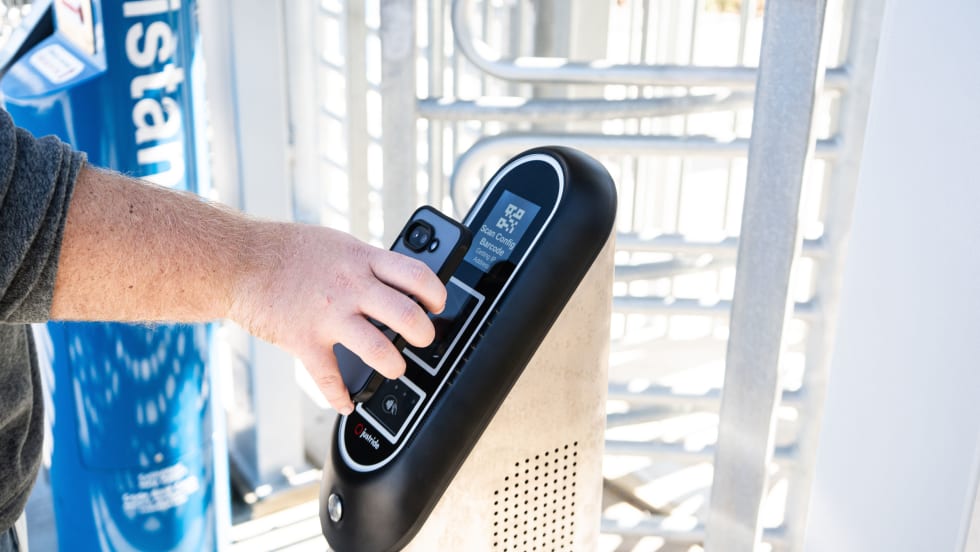
Biz Briefs: Masabi Teams with St. Louis Metro and More
In METRO's latest installment, we take a look at recent news from Transdev, Hitachi, and more partnerships making headlines across the transportation sector.
Read More →
New York MTA Leverages Zoning Program to Advance Station Accessibility
Accessibility enhancements at Nevins St Station will be financed through a development agreement tied to the MTA's Zoning for Accessibility initiative.
Read More →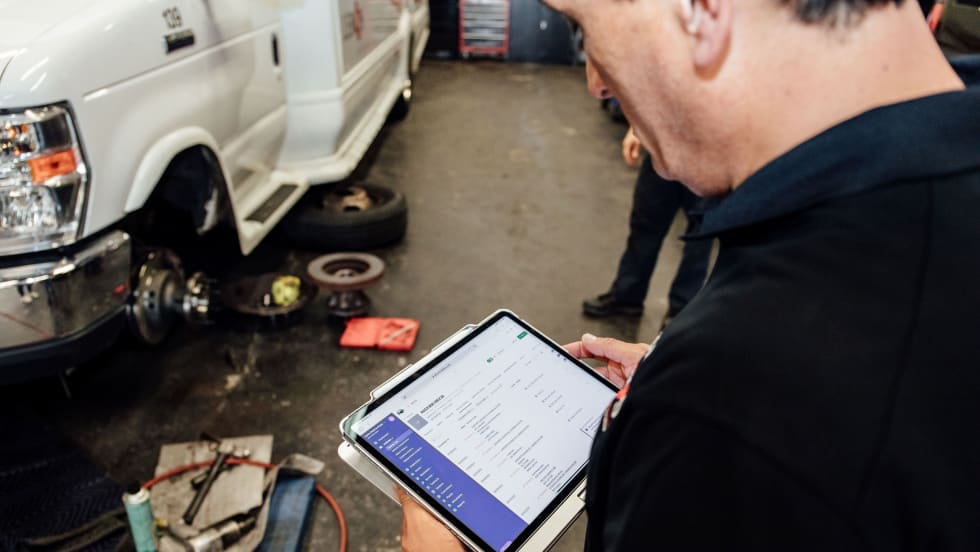
Reinventing Fleet Maintenance with Real-time Visibility and AI
Transit leaders need to know what needs fixing, where to look, who is responsible, when work is completed, and what it costs without having to chase information across disconnected systems.
Read More →
SamTrans Sets Priorities for Potential Connect Bay Area Revenue
The board-approved framework allocates future funding to maintaining service, rider improvements, equity initiatives, and infrastructure repairs.
Read More →