




RELATED: Driverless vehicles and the future of public transit
Autonomous vehicles may have far-reaching impacts on urban tourism
AVs carrying sleeping occupants could congest highways at night and commercial sex in moving AVs may become a growing phenomenon.
November 14, 2018
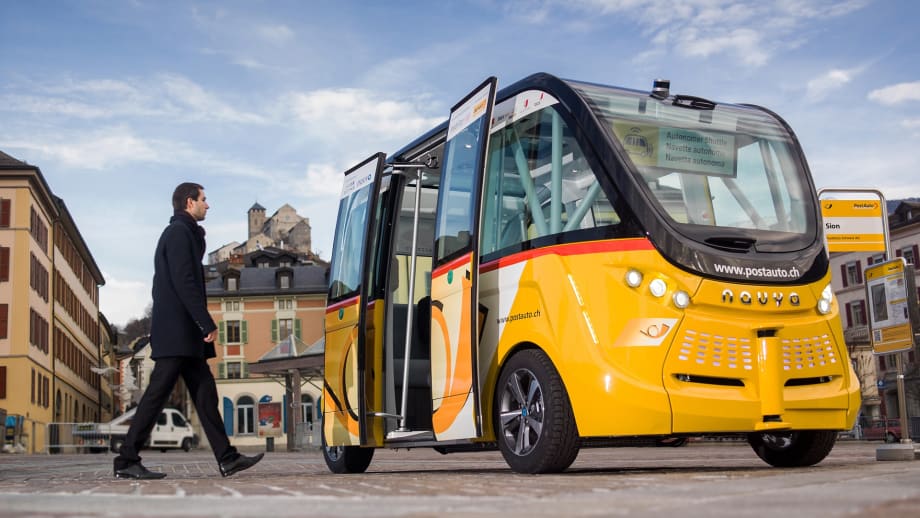
More time spent in cars on longer journeys, due to driverless technology, could facilitate greater urban sprawl and increase car dependency, according to a new study. Photo: Navya
2 min to read
More time spent in cars on longer journeys, due to driverless technology, could facilitate greater urban sprawl and increase car dependency, according to a new study. Photo: Navya
Autonomous vehicles (AV) may be driving on our roads as soon 2025 and could lead to far-reaching impacts on urban tourism, according to new research.
The conceptual paper entitled Autonomous Vehicles and the Future of Urban Tourism, conducted by by Professor Scott Cohen (University of Surrey) and Dr. Debbie Hopkins (University of Oxford), imagines the impact of AVs in future urban tourism and focuses on the pros and cons of these impacts with regards to the transformation of urban space, the rise of autonomous taxis, and changes to city sightseeing and hospitality in the urban night.
Potential benefits include reduced traffic congestion and emissions, improved foreign car hire processes, reduced parking requirements, and cheaper taxi fares. AVs may impact other industries in radical ways too, such as Amsterdam’s Red Light District, which could become operated out of moving AVs, and restaurants and hotels may encounter new competition in the form of AV dining cars and passengers sleeping in their moving vehicles.
AVs are also the subject of many concerns. More time spent in cars on longer journeys could facilitate greater urban sprawl and increase car dependency, according to the study. AVs may reduce demand for train travel, coach tours, public transport and driven taxis - all resulting in future job losses. The potential for terrorism facilitated by AVs also raises genuine security fears.
The study will "benefit urban planners, policy makers and the tourism and hospitality industries, who will face a range of threats and opportunities as AVs begin to reach the mass market in the coming decade," said Professor Cohen, Head of Tourism and Transport at Surrey’s School of Hospitality and Tourism Management.
“The visitor economy will be gradually transformed if AVs become fully automated and mainstream, leading to a future where hordes of small AVs could congest urban attractions, hop-on hop-off city bus tours may go out of business altogether, motorways between cities could fill at night with slow-moving AVs carrying sleeping occupants and commercial sex in moving AVs becomes a growing phenomenon,” Cohen explained.
More New Mobility

From Hardware to Digital Partner: Luminator Charts Its Next Chapter
CEO Magnus Friberg discusses Luminator’s shift toward becoming a digital partner, the growing importance of software and interoperability, and how AI can help agencies improve operations and passenger experience.
Read More →
Biz Briefs: Alstom Lands Canadian Contract, LYT to Supply California TSP, and More
In METRO's latest installment, we take a look at recent news from Complete Coach Works, Beep, FlixBus, and more partnerships making headlines across the transportation sector.
Read More →
CharterUP’s Armir Harris on Technology, AI, and the Future of Group Mobility
In a recent episode of METROspectives, CharterUP Founder/CEO Armir Harris discussed the company’s evolution from an online charter bus marketplace into a technology platform supporting public- and private-sector mobility and much more.
Read More →
Jacksonville’s NAVI Project Charts a New Course for Autonomous Public Transportation
Through its NAVI program, JTA is showing how autonomous vehicles, intelligent infrastructure, and coordinated operations can work together to deliver everyday public transportation.
Read More →
Biz Briefs: Luminator Marks Milestone and More
From manufacturers and suppliers to transit agencies and motorcoach operators, these updates offer a snapshot of the projects, partnerships and business moves driving the industry forward.
Read More →
New Tricks for Old Bureaucracies: Joshua Schank on Making Transit Innovation Stick
Former LA Metro Chief Innovation Officer Joshua Schank discusses why good ideas aren't enough, how transit agencies can overcome resistance to change, and why today's challenges demand more innovation.
Read More →
How DART's GoPass Is Redefining Regional Mobility
Serving 14 transit agencies, GoPass simplifies multimodal travel by allowing riders to plan, pay for, and manage an entire trip through one app.
Read More →
Biz Briefs: OCTA Taps Clean Energy for Hydrogen Station, Stadler to Supply Via Rail Vehicles, and More
From manufacturers and suppliers to transit agencies and motorcoach operators, these updates offer a snapshot of the projects, partnerships and business moves driving the industry forward.
Read More →CharterUP Expands Into New Mobility and Autonomous Transportation
Vice President of New Mobility Stephen Joos discusses how CharterUP is leveraging its nationwide transportation network, technology platform, and autonomous vehicle partnerships to expand into workforce mobility, campus shuttles, and transit solutions.
Read More →
METRO Magazine Announces 2026 Innovative Solutions Awards Winners
Projects Recognized for Advancing Mobility Through Technology, Accessibility, Workforce Innovation, and Operational Excellence
Read More →