



BAE Systems’ Gen3 Electric Drive Completes FTA Testing
The advanced electric propulsion system achieved 6.6 mpg during FTA testing, offering transit agencies a high-efficiency, low-emissions solution with enhanced performance and easier maintenance.

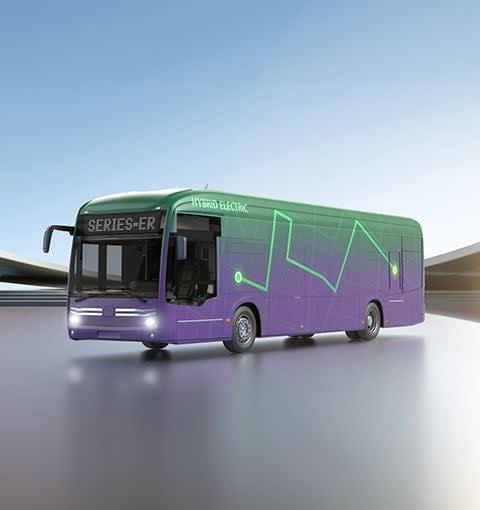
Now that testing is complete, transit agencies nationwide can apply for FTA grant funding to purchase buses equipped with BAE Systems’ Gen3 drive technology.
Photo: BAE Systems
BAE Systems’ next-generation electric drive system achieved a milestone in sustainable transit technology, completing rigorous testing at the Federal Transit Administration’s (FTA) Bus Research and Testing Center (BRTC) with best-in-class fuel economy and emissions results, according to the company’s press release.
The company’s Gen3 electric drive system powered a hybrid-electric bus to an average of 6.6 miles per gallon, establishing a new benchmark for hybrid buses across North America.
BAE’s Gen3 System
The Gen3 system, which integrates propulsion and accessory power controls, demonstrated substantial gains in energy efficiency, performance, and environmental impact during several months of comprehensive testing.
The system’s fuel efficiency translated directly into significant emissions reductions across multiple categories, reinforcing its value to transit agencies seeking cost-effective paths to cleaner operations.
“BAE Systems’ Gen3 drivetrain technology raises the standard again for the transit industry,” said Bob Lamanna, VP/GM, power & propulsion solutions, at BAE Systems. “The test results highlight the efficiency of our proven technology, which enhances sustainability while delivering the reliability, performance, and cost savings that transit authorities expect.”
The bus was evaluated under various duty cycles to reflect typical transit conditions, with BRTC staff also assessing maintainability, noise levels, and system integration.
Now that testing is complete, transit agencies nationwide can apply for FTA grant funding to purchase buses equipped with BAE Systems’ Gen3 drive technology.
The Gen3 system has a high-efficiency traction motor, onboard energy-storage solution, and intelligent power electronics. These components form a cohesive electric propulsion and accessory power system to reduce fuel use and emissions while maintaining a quiet, smooth passenger ride. According to BAE officials, its modular design and use of fewer components and cabling simplify maintenance and increase uptime.
Next-Generation Performance
BAE said its engineers have incorporated cutting-edge materials, such as silicon carbide, and a compact, lightweight architecture to boost electrical efficiency. The result is a robust platform that builds on nearly three decades of proven performance in electric drive systems.
“This system was developed not only to boost energy savings and reduce emissions, but also to streamline serviceability and performance for agencies dealing with real-world operating constraints,” Lamanna added.
BAE Systems brings deep expertise to the sector, with over 19,000 electric drive systems deployed on transit buses globally. These include hybrid-electric, battery-electric, and hydrogen fuel cell vehicles. Its electric propulsion technology is engineered and supported at its facilities in Endicott, N.Y., and Rochester, U.K.
The successful Gen3 testing milestone marks another step forward for BAE Systems, which is helping shape the transition toward cleaner, more efficient public transit solutions worldwide.
More Technology

From Hardware to Digital Partner: Luminator Charts Its Next Chapter
CEO Magnus Friberg discusses Luminator’s shift toward becoming a digital partner, the growing importance of software and interoperability, and how AI can help agencies improve operations and passenger experience.
Read More →
Beyond the Checklist: A Structured Approach to Transit Maintenance
Reliability-Centered Maintenance helps transit agencies move beyond routine checklists to focus limited resources on the assets and failures that have the greatest impact on safety, reliability, and service.
Read More →
NJ TRANSIT Advances Bus Technology Upgrades Across Statewide Fleet
More than 1,500 buses now feature upgraded technology designed to improve arrival predictions and provide free Wi-Fi, with deployment expected to reach nearly 2,000 buses by the end of 2026.
Read More →

Building a Flexible Path to Transit Electrification
John Hroncich discusses BAE Systems’ modular and scalable approach, lessons learned from decades of real-world operations, and how agencies can identify electrification strategies that fit their fleets.
Read More →
Biz Briefs: Alstom Lands Canadian Contract, LYT to Supply California TSP, and More
In METRO's latest installment, we take a look at recent news from Complete Coach Works, Beep, FlixBus, and more partnerships making headlines across the transportation sector.
Read More →
From Legacy Silos to Conversational Intelligence
What if transit leaders could ask any operational question and get a trusted answer in seconds? Conversational AI is transforming how agencies use their data.
Read More →
USDOT Announces Rail Vehicle Replacement Grants, Chattanooga AV Shuttle Funding
More than $191 million in federal funding will help three transit agencies replace aging rail vehicles and support a new autonomous shuttle service in Chattanooga.
Read More →
Bus Tech Talk: Keeping Transit Technicians Ahead of the Technology Curve
LA Metro’s Obed Mejia discusses technician training, evolving maintenance technology, fleet replacement, and strategies for getting the most out of today’s transit fleets.
Read More →
Biz Briefs: RIPTA Unveils New Frontrunners, Clevland RTA Adds New Siemens, and More
In METRO's latest installment, we take a look at recent news from Siemens, Prevost, Dodge, and more partnerships making headlines across the transportation sector.
Read More →
Why Simulating Pedestrian Movement Has Become Essential for Modern Rail Stations
Pedestrian microsimulation is helping rail planners identify bottlenecks, test station designs, and prepare complex transit hubs for growing passenger volumes.
Read More →