



BART to spend surplus on customers
In June, the board began considering how to use the surplus and proposed using about half, or $2.3 million, for a short-term fare reduction. The two fare reduction options that are under consideration were cutting fares by 3 percent for four months, or by 5 percent for three months.

Last week, the Bay Area Rapid Transit District (BART) board of directors approved using approximately one-half of this budget year's $4.5 million surplus to deep-clean railcars, put in fresh seats, boost rainy-day reserves, defer a paratransit fare increase, install monitors with real-time train departure information at venues near BART stations and solicit input from employees to improve customer service.
The board action means that BART will:
Put $1 million away rainy-day reserves, bringing the total to $25 million.
$750,000 for replacement of seats and deep-cleaning of 50 railcars.
$200,000 to defer increase in East Bay paratransit fares for four months.
$150,000 for emergency operations and BART Police facility.
$100,000 to solicit input from frontline employees in order to improve customer service.
$75,000 on monitors displaying real-time train departure information placed at venues near BART.
$62,500 to convert four part-time utility workers to full-time.
In June, the Board began considering how to use the surplus and proposed using about half, or $2.3 million, for a short-term fare reduction. The two fare reduction options that are under consideration were cutting fares by 3 percent for four months, or by 5 percent for three months.
One major factor contributing to BART's $4.5 million surplus is the agency's management has been carefully cutting labor and non-labor costs over the past several years to match lower ridership and sales tax revenues. The ailing economy has caused these two income sources to suffer. Together they account for about 85percent of BART's operating revenues, according to the agency.
Another significant factor contributing to the surplus is the court-ordered, partial restoration of public transit funding. During the past two budget cycles, the State of California diverted all public transit funding, called the State Transit Assistance (STA), into its general fund. That diversion left agencies like BART with huge holes in their budgets. However the recent court ruling coupled with new legislation to fund public transit means BART will have $26 million in STA funds for the current budget year and will hopefully continue to receive approximately $23 million in the budget years to follow.
More Paratransit

Everett Transit, Community Transit Outline Consolidation Agreement
The proposed agreement calls for a 50% increase in bus service in Everett, a new microtransit zone, continued paratransit service, and the transfer of Everett Transit operations to Community Transit.
Read More →
Driving Smarter Paratransit
John Hanlon shares how AlphaRoute is leveraging AI-powered technology to help paratransit providers optimize operations, support frontline staff, and enhance the rider experience.
Read More →
People Movement: Dan Dipert Coaches Adds Third-Generation Leader, Keolis Names New Valley Metro VP/GM, and More
In this edition, we also cover recent appointments and announcements at the Wabtec, SilverRide, HNTB, and more, showcasing the individuals helping to shape the future of transportation.
Read More →
Biz Briefs: RIPTA Unveils New Frontrunners, Clevland RTA Adds New Siemens, and More
In METRO's latest installment, we take a look at recent news from Siemens, Prevost, Dodge, and more partnerships making headlines across the transportation sector.
Read More →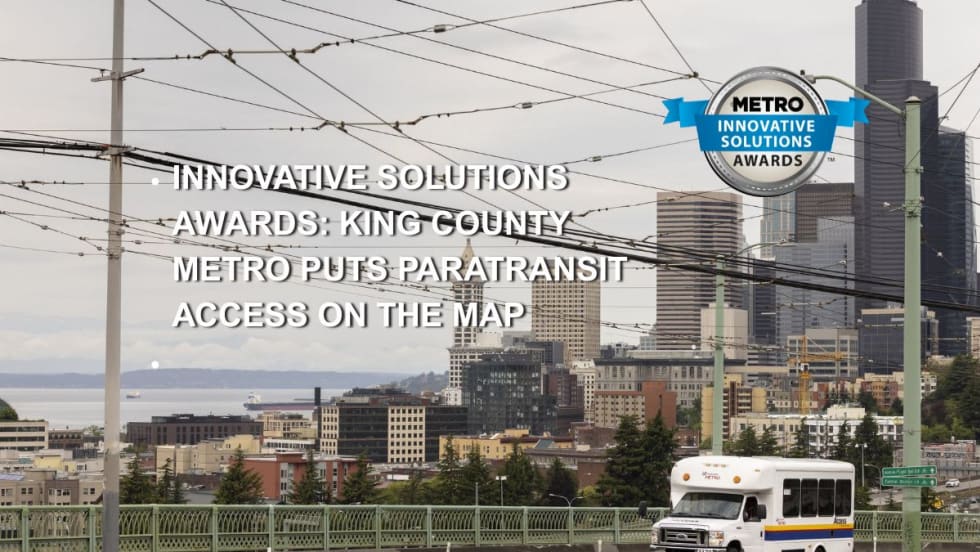
King County Metro Makes ADA Paratransit Easier to Navigate
METRO's Innovative Solutions Award winner replaces complex service-area descriptions with an accessible, interactive map that puts paratransit information directly in customers’ hands.
Read More →
Jacksonville’s NAVI Project Charts a New Course for Autonomous Public Transportation
Through its NAVI program, JTA is showing how autonomous vehicles, intelligent infrastructure, and coordinated operations can work together to deliver everyday public transportation.
Read More →
Driving Smarter Paratransit
John Hanlon shares how AlphaRoute is leveraging AI-powered technology to help paratransit providers optimize operations, support frontline staff, and enhance the rider experience.
Read More →
METRO Magazine Announces 2026 Innovative Solutions Awards Winners
Projects Recognized for Advancing Mobility Through Technology, Accessibility, Workforce Innovation, and Operational Excellence
Read More →
Biz Briefs: STV teams with Amtrak, Motorcoach Operators Boost Fleet and Land Contracts, and More
From manufacturers and suppliers to transit agencies and motorcoach operators, these updates offer a snapshot of the projects, partnerships and business moves driving the industry forward.
Read More →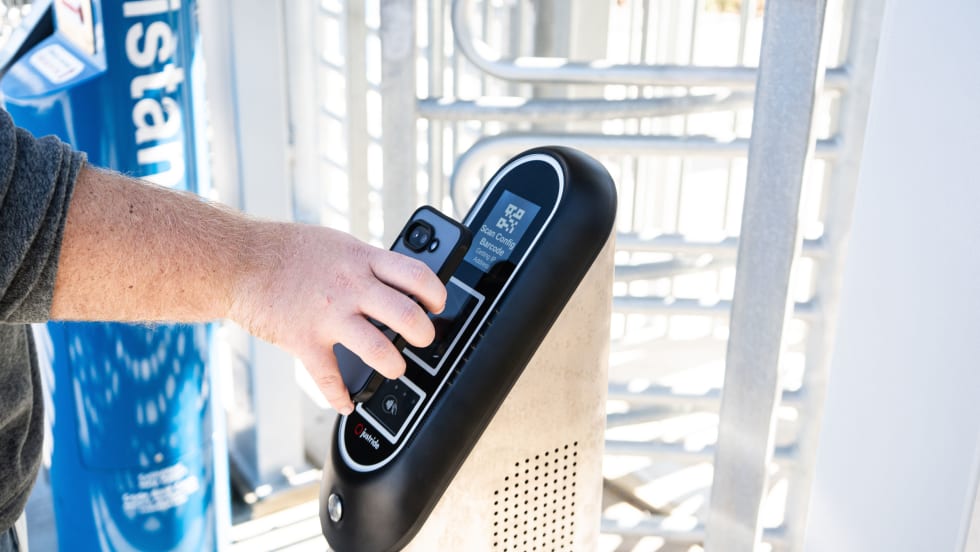
Biz Briefs: Masabi Teams with St. Louis Metro and More
In METRO's latest installment, we take a look at recent news from Transdev, Hitachi, and more partnerships making headlines across the transportation sector.
Read More →