




RELATED: U. of Mich. partners with China to develop autonomous vehicles
BlackBerry unveils innovation center for connected, autonomous vehicles
One of the center's first projects will be supporting this pilot as well as BlackBerry QNX's work with the University of Waterloo, PolySync, and Renesas Electronics to build an autonomous concept vehicle.
December 22, 2016
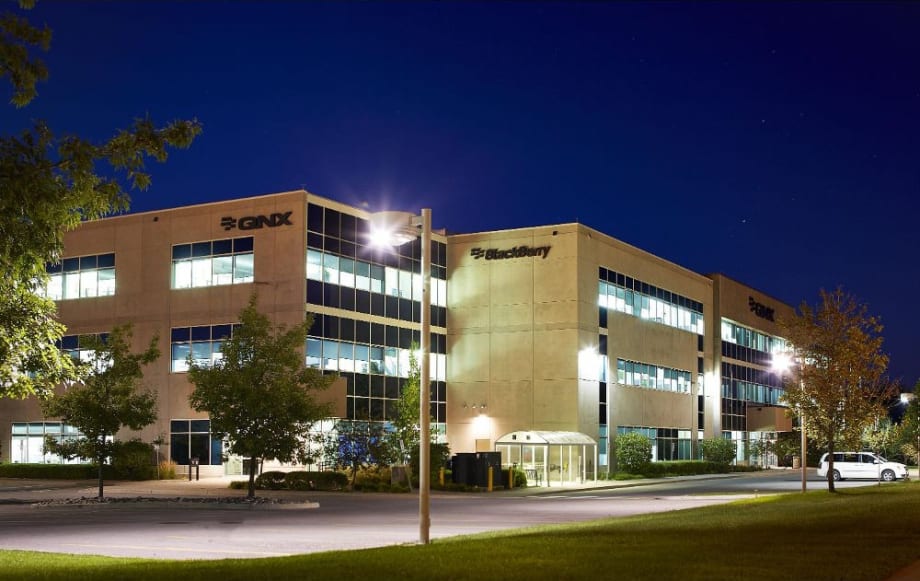
Housed within the BlackBerry QNX facility in Ottawa, Ontario, the center will accelerate the realization of connected and self-driving vehicles by developing production-ready software independently and in collaboration with partners in the private and public sector.
2 min to read

Blackberry announced the opening of an innovation center that will focus on developing software for autonomous and connected vehicles.
Experts predict that 50% of all cars will connect to the cloud by 2020, and the wide range of 'connected things' could exceed 20 billion. In the coming hyper-connected world, cars will soon carry one of the highest concentrations of Internet of Things (IoT) edge nodes and sensors, generating a vast amount of valuable and actionable data. Anticipating this shift, BlackBerry is investing in key technologies and building a product portfolio that will provide the embedded intelligence that powers the core electronics of connected and autonomous cars.
Housed within the BlackBerry QNX facility in Ottawa, Ontario, the center will accelerate the realization of connected and self-driving vehicles by developing production-ready software independently and in collaboration with partners in the private and public sector.
As part of this initiative, BlackBerry QNX plans to recruit and hire local software engineers to work on ongoing and emerging engineering projects for connected and autonomous cars. The Ministry of Transportation of Ontario recently approved BlackBerry QNX to test autonomous vehicles on Ontario roads as part of a pilot program. One of the centre's first projects will be supporting this pilot as well as BlackBerry QNX's work with the University of Waterloo, PolySync, and Renesas Electronics to build an autonomous concept vehicle.
BlackBerry QNX has been supplying mission-critical embedded software to the automotive industry for over ten years and can be found in more than 60 million vehicles today. Millions of telematics-equipped cars on the road are using BlackBerry's Certicom security technology for communication authentication and authorization. Already a leading supplier of software for infotainment, acoustics, telematics and digital instrument clusters, BlackBerry QNX is extending its platform expertise into ADAS (Advanced Driver Assist Systems), CVAV (Connected Vehicle and Autonomous Vehicle) systems and secure Over the Air Software Update services.
More New Mobility

Biz Briefs: Luminator Marks Milestone and More
From manufacturers and suppliers to transit agencies and motorcoach operators, these updates offer a snapshot of the projects, partnerships and business moves driving the industry forward.
Read More →
New Tricks for Old Bureaucracies: Joshua Schank on Making Transit Innovation Stick
Former LA Metro Chief Innovation Officer Joshua Schank discusses why good ideas aren't enough, how transit agencies can overcome resistance to change, and why today's challenges demand more innovation.
Read More →
How DART's GoPass Is Redefining Regional Mobility
Serving 14 transit agencies, GoPass simplifies multimodal travel by allowing riders to plan, pay for, and manage an entire trip through one app.
Read More →
Biz Briefs: OCTA Taps Clean Energy for Hydrogen Station, Stadler to Supply Via Rail Vehicles, and More
From manufacturers and suppliers to transit agencies and motorcoach operators, these updates offer a snapshot of the projects, partnerships and business moves driving the industry forward.
Read More →
CharterUP Expands Into New Mobility and Autonomous Transportation
Vice President of New Mobility Stephen Joos discusses how CharterUP is leveraging its nationwide transportation network, technology platform, and autonomous vehicle partnerships to expand into workforce mobility, campus shuttles, and transit solutions.
Read More →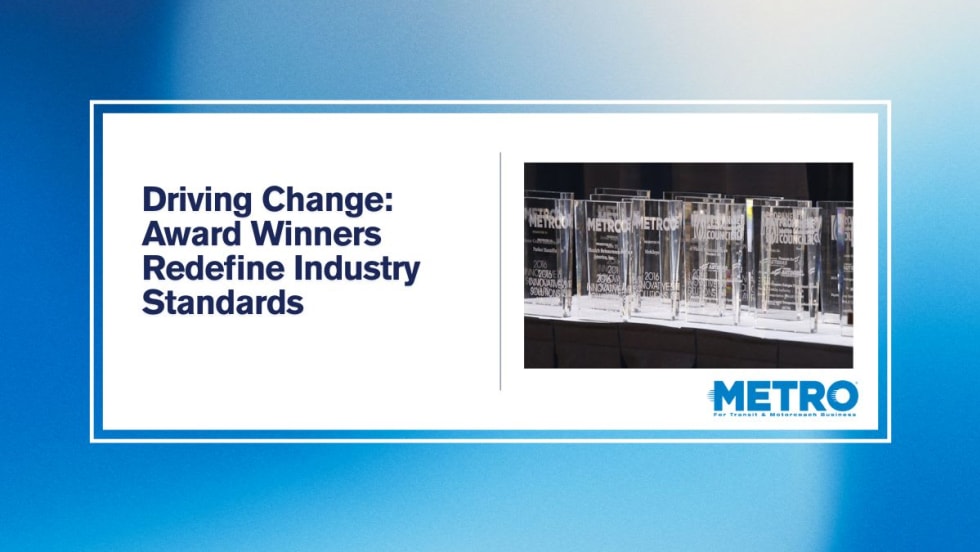
METRO Magazine Announces 2026 Innovative Solutions Awards Winners
Projects Recognized for Advancing Mobility Through Technology, Accessibility, Workforce Innovation, and Operational Excellence
Read More →
Biz Briefs: STV teams with Amtrak, Motorcoach Operators Boost Fleet and Land Contracts, and More
From manufacturers and suppliers to transit agencies and motorcoach operators, these updates offer a snapshot of the projects, partnerships and business moves driving the industry forward.
Read More →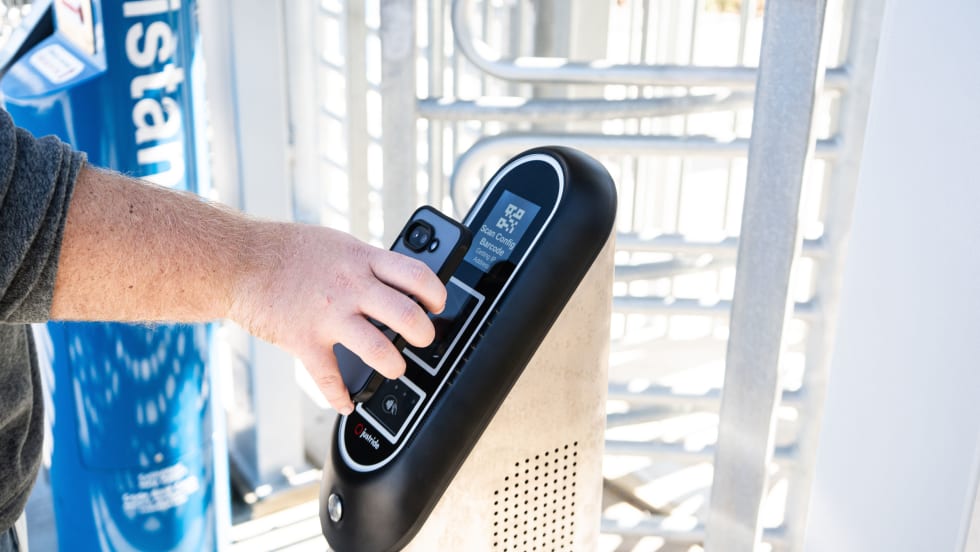
Biz Briefs: Masabi Teams with St. Louis Metro and More
In METRO's latest installment, we take a look at recent news from Transdev, Hitachi, and more partnerships making headlines across the transportation sector.
Read More →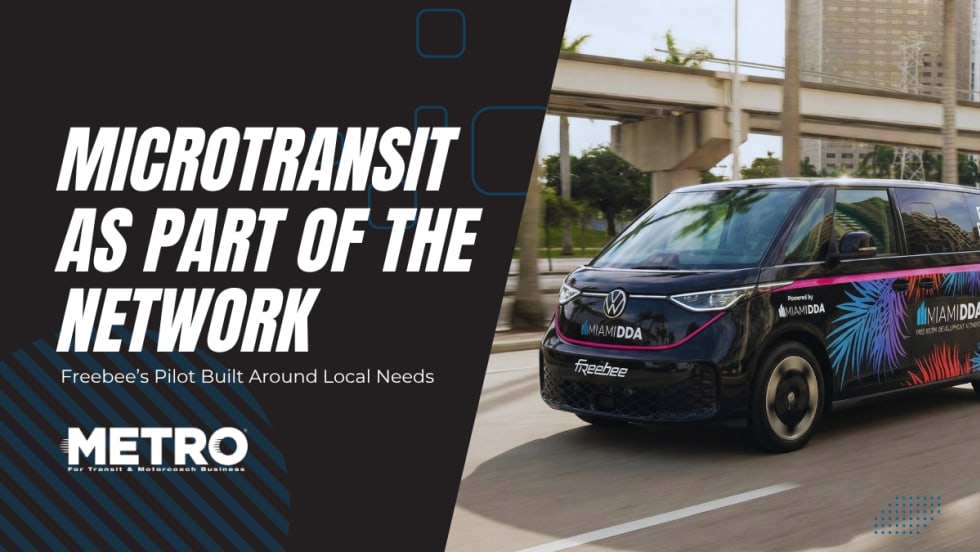
Microtransit's Next Test: Becoming Part of the Network
Freebee shows how electric microtransit is moving beyond pilots to fill network gaps, connect riders to transit, and prove lasting value.
Read More →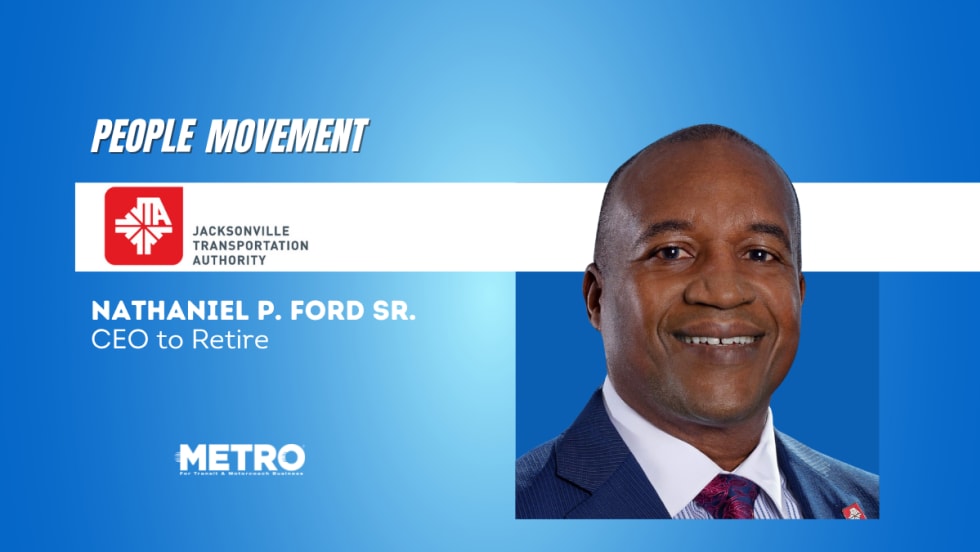
Ford to Leave JTA After More Than 10 Years as CEO
He plans to continue his work advancing innovative mobility solutions to improve the quality of life in communities across the nation. He did not announce specific plans.
Read More →