



Bombardier people mover launches in Singapore
Is also upgrading the LRT signalling and communications sub-systems to enhance overall system capacity and to integrate new platforms at the Choa Chu Kang LRT station into the system.

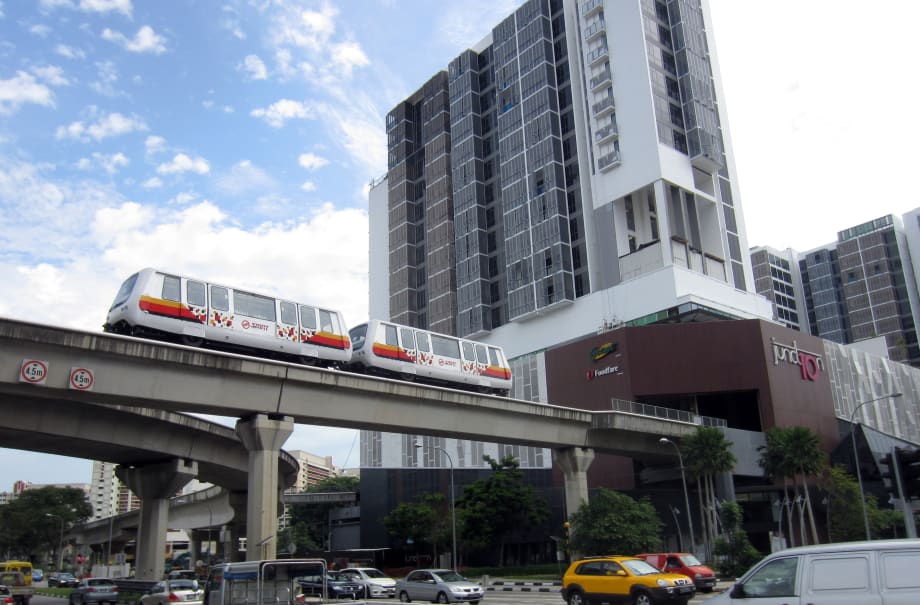
The Singapore Land Transit Authority (LTA) today launched its first two new INNOVIA APM 100 automated people mover vehicles into passenger service on the Bukit Panjang Light Rapid Transit (LRT) system. LTA ordered 13 additional INNOVIA APM 100 vehicles from Bombardier in 2012 to substantially increase public transportation services in the Choa Chu Kang and Bukit Panjang districts. Bombardier will deliver eight vehicles in 2014 and the remaining five vehicles will follow in 2015.
RELATED:Bombardier partners to develop, manufacturer Innovia vehicles
Peak-hour capacity will grow by approximately 50% once all of the new vehicles are in service. Bombardier is also upgrading the LRT signalling and communications sub-systems to enhance overall system capacity and to integrate new platforms at the Choa Chu Kang LRT station into the system. Regular passengers on this popular urban transit system will enjoy improved services including more frequent trains and shorter waiting times.
Benoit Cattin-Martel, Vice President Asia Pacific, Systems Division at Bombardier Transportation, said, "Since services began on the Bukit Panjang LRT system, the Singapore Land Transit Authority has consistently seen passenger numbers rise every year. The new fleet of INNOVIA APM 100 vehicles will enable the LTA to run more trains in two-car configurations thereby increasing capacity and improving services for commuters, proving that this transit technology is an ideal choice for urban operators."
The original Bukit Panjang LRT system opened in 1999 with 19 INNOVIA APM 100 vehicles and the BOMBARDIER CITYFLO 550 fixed block train control solution for unattended driverless operation. It is an important urban feeder system connecting with rapid transit stations, bus interchanges, local recreational facilities, commercial complexes and schools. The system operates on an exclusive guideway, unhampered by cars and pedestrians. The rubber-tired trains are very quiet with windows that "mist" within six meters of residential buildings, thereby eliminating noise and privacy concerns.
More Management

Castro to Lead RTC of Southern Nevada and More in People Movement
In this edition, we also cover recent appointments and announcements at the STV, MCI, and more, showcasing the individuals helping to shape the future of transportation.
Read More →
STraffic Expands North American Presence with Fare Collection Technology
John Moon, Associate Director, Product Strategy at STraffic, discusses the company's growth in North America, its efforts to reduce fare evasion, and more.
Read More →
Study: Denver RTD Generates $2.1 Billion in Annual Economic Activity
An economic impact study finds the agency supports approximately 17,500 jobs, delivers $1.6 billion in annual community and mobility benefits, and generates $2.42 in economic value for every dollar invested.
Read More →
Mark Aesch Nominated to Lead Federal Transit Administration
The former Rochester transit chief and TransPro founder, who has also contributed to METRO Magazine, brings decades of industry experience and a focus on performance, accountability, and financial sustainability to the nomination.
Read More →
Best and Worst U.S. Cities for Public Transportation in 2026
A new analysis of 50 major U.S. urban areas ranks public transit systems based on accessibility, affordability, usefulness, and safety, highlighting where transit performs best and where challenges remain.
Read More →
Laketran Cuts Fuel Costs, Boosts Efficiency with Propane-Powered Fleet
The Ohio transit agency is using propane-powered vehicles and on-site fueling infrastructure to cut fuel and maintenance costs while meeting growing demand for paratransit services.
Read More →
Canada’s Public Transit Supports $65.6 Billion in Annual GDP
New research from the Canadian Chamber of Commerce examines transit's economic contributions, including job creation and the financial implications of transportation investment.
Read More →
Pierce Transit Moves to Expand Fleet Following Proposition 1 Approval
The agency authorized the purchase or refurbishment of up to 60 buses to support a 47% service expansion, as voters nationwide approved billions in new transit funding.
Read More →
Right-Sizing Rural Transit: Lessons from North Grenville’s On-Demand Model
A small municipality shows how flexible service, rider needs, and public accountability can expand mobility with limited resources.
Read More →
Transit Ballot Victories Signal Strong Voter Support: What Comes Next?
Voters approved billions in public transportation investments in 2026, giving agencies opportunities to preserve service, expand operations, and strengthen regional connections amid a changing political landscape.
Read More →