



Brightline, Texas Central Railway projects get Fed approval to move ahead
The moves mark major milestones in the U.S. DOT’s efforts to accelerate environmental reviews and project delivery timelines for new infrastructure projects.

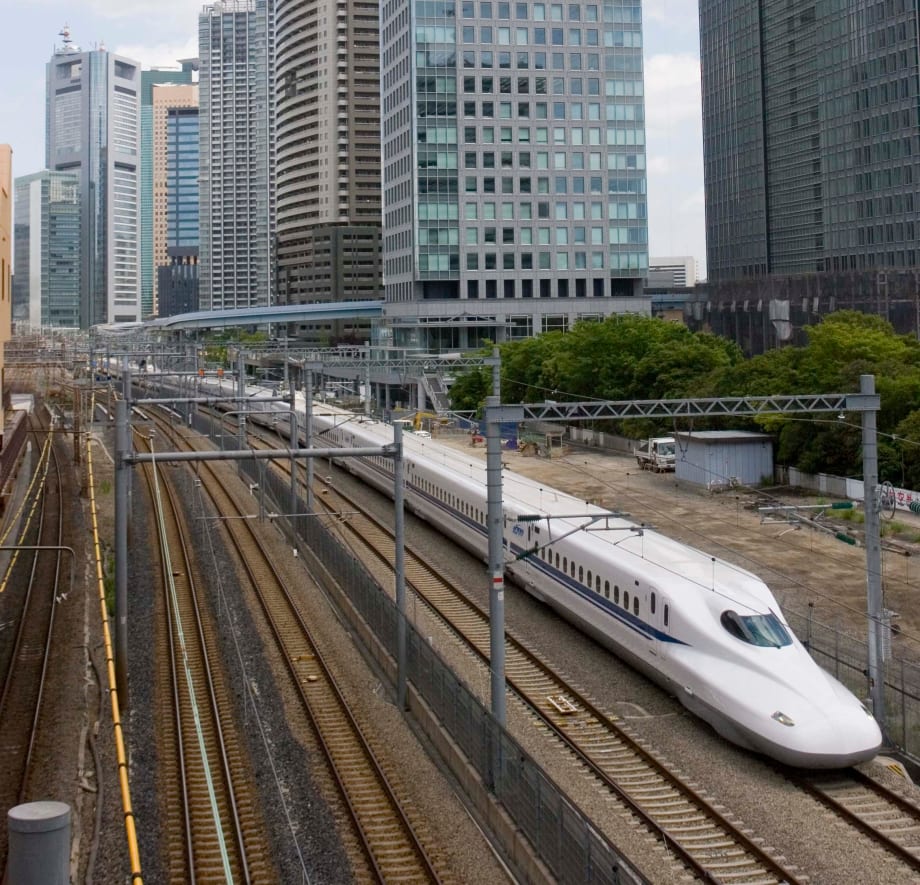
The TCR High-Speed Rail Project is a privately-funded proposed new passenger rail system that would operate within a fully-sealed corridor of roughly 240 miles between Dallas and Houston.
TCR

The Federal Railroad Administration signed the Record of Decision (ROD) for Phase II of the All Aboard Florida (AAF)/Brightline Project and the Draft Environmental Impact Statement review (DEIS) for the Texas Central Railway (TCR) High-Speed Rail Project, marking major milestones in U.S. DOT’s efforts to accelerate environmental reviews and project delivery timelines for new infrastructure projects. These steps will assist the private sponsors of these new passenger rail projects in moving their projects forward.
“Safe, accessible, and efficient regional rail systems are an important component in the transportation networks of many areas,” said U.S. Transportation Secretary Elaine L. Chao. “As proposed, these rail projects would increase travel options and promote economic growth in their regions of the country.”
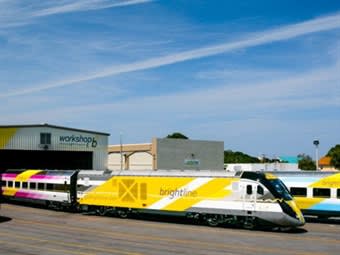
In the ROD, FRA formally selects Alternative E as its preferred alternative as it will meet the purpose and need identified for the AAF/Brightline Project.
AAF/Brightline
All Aboard Florida/Brightline Project
AAF is a private passenger rail service proposed by Florida East Coast Industries Inc. that would connect Orlando and Miami, with intervening stops in West Palm Beach and Fort Lauderdale.
The ROD marks the completion of the environmental review process under the National Environmental Policy Act.
In the ROD, FRA formally selects Alternative E as its preferred alternative as it will meet the purpose and need identified for the AAF/Brightline Project. This preferred alternative consists of:
A new rail corridor extending north through Orlando International Airport (MCO) to Florida State Route 528 (the MCO Segment).
A new rail alignment 200 feet south of the Florida State Route 528 Right of Way (ROW) (the East‐West Corridor) from MCO to Florida State Route 520; and then within the State Route 528 Florida Department of Transportation ROW to the Florida East Coast Railway (FECR) Corridor in Cocoa.
Use of the existing FECR ROW from Cocoa to West Palm Beach (the North-South Corridor).
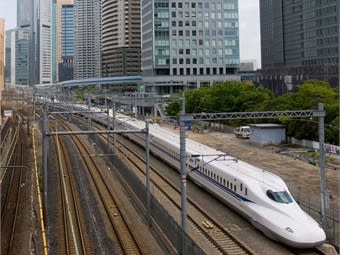
The TCR High-Speed Rail Project is a privately-funded proposed new passenger rail system that would operate within a fully-sealed corridor of roughly 240 miles between Dallas and Houston.
TCR
Texas Central Railway High-Speed Rail Project
The TCR High-Speed Rail Project is a privately-funded proposed new passenger rail system that would operate within a fully-sealed corridor of roughly 240 miles between Dallas and Houston, with a travel time of approximately 90 minutes.
Publication of the DEIS is an important milestone in the NEPA process. The DEIS describes the project’s purpose and need, identifies the reasonable alternatives to the proposed action, discloses the potential environmental impacts of those alternatives, and identifies appropriate mitigation. FRA is providing the public an opportunity to review and comment on the DEIS. Following the public comment period, FRA will address any substantive comment in a Final EIS and ROD.
The DEIS analyzed six end-to-end Build Alternatives as well as the No-Build Alternative. The Build Alternatives included a terminal station in Dallas and an intermediate station in Grimes County near College Station, home of Texas A&M University. The DEIS also evaluated three Houston terminal station options: the Industrial Site Terminal, the Northwest Mall Terminal, and the Northwest Transit Center Terminal. The DEIS identifies FRA’s preferred Build Alternative as Alternative A.
More Rail

New York MTA Advances Final Contract for Second Avenue Subway Expansion
Contract Four is the largest in the Second Avenue Subway Phase 2 project and includes construction of station infrastructure, tracks, and signals for the subway expansion, MTA officials said. Work on Contract Four will begin in 2027.
Read More →
San Diego MTS Breaks Monthly Trolley Ridership Record
Agency officials said July’s ridership indicates MTS’s continued recovery from the pandemic.
Read More →
Report Examines NJ TRANSIT Reliability, Funding Challenges
The Garden State Initiative analysis examines the roles of Amtrak infrastructure, fleet management, and agency operations while recommending a more performance-based approach to improving reliability.
Read More →
Stadler, CapMetro Sign Long-Term Rail Fleet Support Agreement
Beginning in 2027, Stadler will provide on-site technical expertise, spare parts support, training, and obsolescence management to help extend the reliability and longevity of CapMetro’s GTW fleet.
Read More →
Biz Briefs: Alstom Lands Canadian Contract, LYT to Supply California TSP, and More
In METRO's latest installment, we take a look at recent news from Complete Coach Works, Beep, FlixBus, and more partnerships making headlines across the transportation sector.
Read More →
CATS Gold Line Marks 5 Years of Service, 2.8M Passenger Trips
With a six-mile expansion planned, the Charlotte streetcar is positioned to connect more neighborhoods and major transit hubs across the region.
Read More →
Why Simulating Pedestrian Movement Has Become Essential for Modern Rail Stations
Pedestrian microsimulation is helping rail planners identify bottlenecks, test station designs, and prepare complex transit hubs for growing passenger volumes.
Read More →
Amtrak Begins Major Construction at New York’s Sunnyside Yard
The new maintenance facility will support Amtrak’s Airo trainsets while improving maintenance efficiency and turnaround times in New York.
Read More →
Chicago Leaders Unveil Plans for O’Hare Airport Express Train
The privately developed project would offer a 15-minute trip between downtown and O’Hare’s Terminal 2, with trains operating every 15 minutes on a dedicated track. The service would use battery-electric trains and three existing freight rail rights-of-way.
Read More →
OCTA Maps Out 30-Year Strategy to Protect Coastal Rail Corridor
The draft feasibility report identifies strategies to protect the coastal rail line for decades as the agency continues near-term stabilization and sand placement efforts.
Read More →