



BusCon 2018 set to return to Indianapolis in October
Registration is open now for this year's show, which will include a look at electric buses and autonomous vehicles, as well as training courses from NTI and EnerDel.

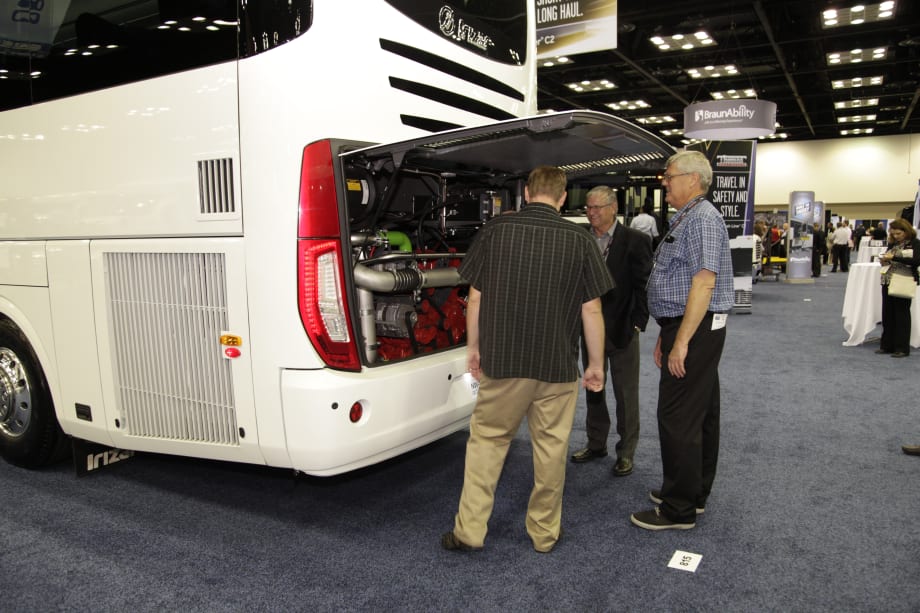
In addition to all the latest vehicles and technology on the show floor, this year’s educational sessions will touch on some of the hottest topics in transportation today.
In addition to all the latest vehicles and technology on the show floor, this year’s educational sessions will touch on some of the hottest topics in transportation today.
The full conference schedule is up and registration is now open for BusCon 2018, which returns to the Indiana Convention Center in Indianapolis Oct. 1 to 3.
In addition to all the latest vehicles and technology on the show floor, this year’s educational sessions will touch on some of the hottest topics in transportation today, including a look at all-electric vehicle usage in differing applications and alternative fuels.
BusCon will also take a look at autonomous vehicles, including how they can impact paratransit users, as well as how autonomous shuttles are being used and what the future for the technology may look like down the road.
New for this year, the National Transit Institute will host two training sessions — “Overview of Transit Procurement for Senior Leadership” and “Transit Asset Management Implementation for Tier II Providers and Sponsors” — that are available for the first 50 attendees to RSVP for each. For those interested in Lithium-ion battery technology, EnerDel will host two training courses, which will provide an overview of electrochemistry and discussions on Li-ion characteristics, life expectancy, and cell components, as well as designs that make for effective and safe battery solutions.
The United Motorcoach Association will also return to BusCon with two sessions on Monday, Oct. 1, including a look at how to expand your bus operation through diversification, which is ideal for those entering the motorcoach industry or for operators looking to get into using smaller-sized vehicles.
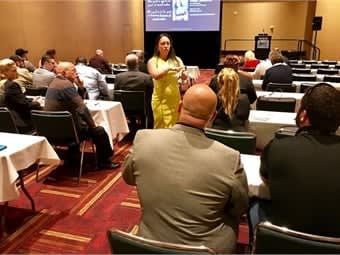
Topics being touched on this year, include forging relationships to improve mobility, how to use social media to sell your company, preparing your operation for pandemic such as this past flu season, and more.
Additional topics being touched on this year, include forging relationships to improve mobility, how to use social media to sell your company, preparing your operation for pandemic such as this past flu season, and more.
BusCon will also bring the third installment of its popular Transit Maintenance Forum (TMF), which will take a look at some of the latest issues being faced by senior transit professionals and their maintenance teams around the nation, including a discussion on how to prevent bus fires with industry veteran Halsey King.
Now through Sept. 6, early birds can register for a Full Conference pass or the Transit Maintenance Forum for $115, which includes the educational sessions, keynote address, and all of the networking events. For more information and to register, visit www.busconexpo.com. #BusCon2018
More New Mobility

From Hardware to Digital Partner: Luminator Charts Its Next Chapter
CEO Magnus Friberg discusses Luminator’s shift toward becoming a digital partner, the growing importance of software and interoperability, and how AI can help agencies improve operations and passenger experience.
Read More →
Biz Briefs: Alstom Lands Canadian Contract, LYT to Supply California TSP, and More
In METRO's latest installment, we take a look at recent news from Complete Coach Works, Beep, FlixBus, and more partnerships making headlines across the transportation sector.
Read More →
CharterUP’s Armir Harris on Technology, AI, and the Future of Group Mobility
In a recent episode of METROspectives, CharterUP Founder/CEO Armir Harris discussed the company’s evolution from an online charter bus marketplace into a technology platform supporting public- and private-sector mobility and much more.
Read More →
Jacksonville’s NAVI Project Charts a New Course for Autonomous Public Transportation
Through its NAVI program, JTA is showing how autonomous vehicles, intelligent infrastructure, and coordinated operations can work together to deliver everyday public transportation.
Read More →
Biz Briefs: Luminator Marks Milestone and More
From manufacturers and suppliers to transit agencies and motorcoach operators, these updates offer a snapshot of the projects, partnerships and business moves driving the industry forward.
Read More →
New Tricks for Old Bureaucracies: Joshua Schank on Making Transit Innovation Stick
Former LA Metro Chief Innovation Officer Joshua Schank discusses why good ideas aren't enough, how transit agencies can overcome resistance to change, and why today's challenges demand more innovation.
Read More →
How DART's GoPass Is Redefining Regional Mobility
Serving 14 transit agencies, GoPass simplifies multimodal travel by allowing riders to plan, pay for, and manage an entire trip through one app.
Read More →
Biz Briefs: OCTA Taps Clean Energy for Hydrogen Station, Stadler to Supply Via Rail Vehicles, and More
From manufacturers and suppliers to transit agencies and motorcoach operators, these updates offer a snapshot of the projects, partnerships and business moves driving the industry forward.
Read More →CharterUP Expands Into New Mobility and Autonomous Transportation
Vice President of New Mobility Stephen Joos discusses how CharterUP is leveraging its nationwide transportation network, technology platform, and autonomous vehicle partnerships to expand into workforce mobility, campus shuttles, and transit solutions.
Read More →
METRO Magazine Announces 2026 Innovative Solutions Awards Winners
Projects Recognized for Advancing Mobility Through Technology, Accessibility, Workforce Innovation, and Operational Excellence
Read More →